Framework introduction and scope
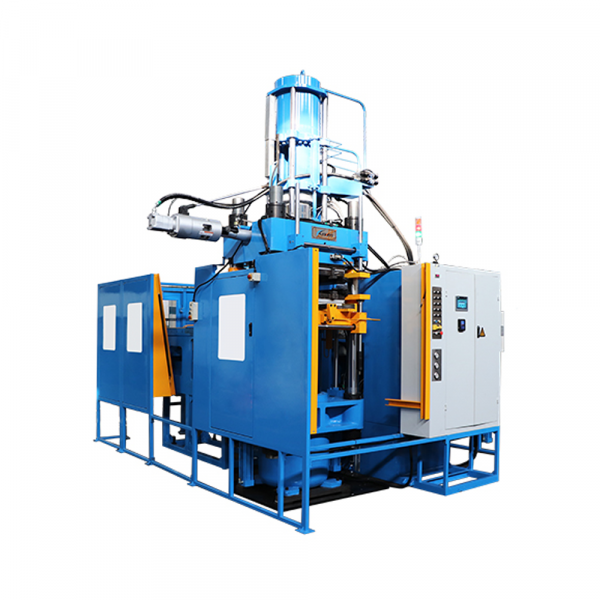
This framework presents a clear pathway to maximizing overall equipment effectiveness (OEE) in custom rubber extrusion and molding shops, delivered with the proper amount of ceremonial politeness. It lays out pillars, decision steps, and measurable checkpoints so plant managers can align machinery strategy with throughput, uptime, and quality goals. Early-stage procurement decisions should include the selection of a rubber injection molding machine alongside extrusion and vulcanization assets, because integration at purchase reduces retrofit drag later. The tone is formal yet ironic; one nods to the gods of uptime while keeping both feet on the factory floor.

Four pillars of the OEE framework
Successful OEE programs rest on four pillars: equipment capability, process control, workforce proficiency, and data governance. Equipment capability focuses on machine fit—matching press tonnage, screw diameter, or extrusion die geometry to product requirements. Process control captures cure cycle consistency and mold cavity balance. Workforce proficiency emphasizes cross-training on mixing mill operations and mold setup. Data governance ensures that cycle time, scrap rate, and downtime are recorded with integrity so decisions are evidence-based rather than ceremonial. Together, these pillars convert capital expenditure into predictable production yield.
Stepwise integration plan
Begin with a capability audit—catalog machine age, hydraulic press reliability, and control-system compatibility. Next, design simple process packets: one-line Standard Operating Procedures for setup, one-line checklists for mold changes. Then, rationalize toolsets: select modular machines that support both extrusion and molding to reduce changeover time. Finally, instrument everything: fit sensors for temperature, pressure, and part ejection timings so OEE components are visible. This sequence avoids costly rework and ensures that new assets, including modern rubber molding equipment, deliver measurable improvements.
Common mistakes and practical corrections
Many shops commit to expensive machines without validating cycle compatibility or spare-parts availability—an error that turns assets into expensive decorations. Another recurring mistake is underestimating cure cycle variance; inconsistency here inflates scrap and rework. There is also a cultural error: treating downtime events as singular annoyances rather than process signals. Correct these by enforcing preventive maintenance windows, standardizing cure parameters across mold cavities, and documenting root causes of stoppages promptly—small administrative shifts that return substantial uptime.
Real-world anchor and learning from disruption
The 2020 COVID-19 supply shocks forced numerous OEM suppliers and rubber shops to rethink local capacity and machine redundancy, revealing the cost of long lead times for spare parts. That global experience demonstrated the practical value of modular machinery and local service partnerships; it also highlighted the need for resilient data practices when staff availability fluctuates. Those lessons remain operative: when a mixing mill or extrusion die sits idle for weeks, the ripple effects on OEE are simple and fiscal—lost runs, frantic overtime, and unhappy customers.
Metrics, tools, and signals to monitor
Deploy three classes of indicators: availability (planned vs. unplanned downtime), performance (cycle time vs. standard cycle), and quality (yield and scrap per mold cavity). Use a simple OEE dashboard fed by PLC outputs and occasional manual verification to ensure data fidelity. Add trend lines for cure cycle deviations and a short list of critical spares so procurement can react before production grinds to a halt. These metrics remain actionable, not academic—meaning they should trigger concrete responses in the shop.
Implementation cadence and change management
Roll the framework out in 90-day increments: assess, instrument, standardize, review. Celebrate small wins—reduced setup time, a fixed reduction in scrap, a saved shift—while documenting what didn’t work. Train technicians on specific tasks: mold swaps, barrel heating profiles, and vendor maintenance routines. This cadence respects both engineering rigor and the human realities of floor labor; the result is sustainable progress rather than a pulse-driven overhaul.
Final guidance: three golden evaluation metrics
1) Net OEE improvement over a 90-day window as the primary success measure. 2) Mean time to repair (MTTR) for critical assets—aim to cut this by at least 25% with spares and documented procedures. 3) Consistent yield per mold cavity with a tolerance band for cure cycle variance. These three rules focus investments on what actually moves the needle: uptime, speed, and quality. The implementation must favor machines and partners that support rapid diagnostics and clear documentation—qualities exemplified by long-term suppliers such as HWAYI. Practical, tested, and politely inevitable.
–