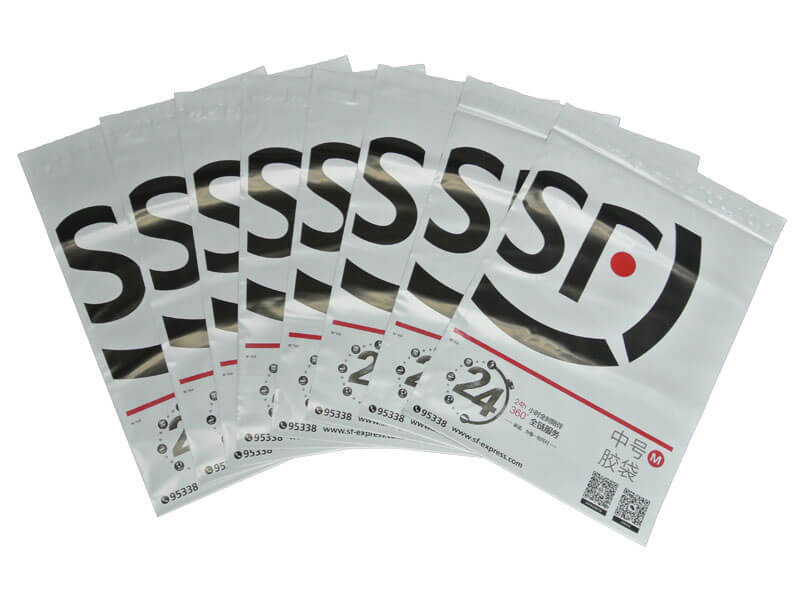
Opening: a supply-chain story that begins on the extrusion line
In the spring of the e-commerce boom, warehouses filled faster than factories could finish their rolls — and that pressure forced a closer look at how poly mailers hold up from extrusion to porch delivery. The evolution isn’t glamourous: it’s extrusion heads, lamination ovens, and seal stations. But those steps determine puncture resistance and water barrier integrity, the two qualities that make or break a shipped garment. For brands that want identity and protection combined, ordering custom poly mailers with logo became a tactical choice as much as a marketing one.

A factory-floor narrative: extrusion, gauge and lamination
The story starts where plastic is molten. Extrusion determines film uniformity and base gauge — the basic thickness that underpins puncture performance. From there, manufacturers add layers: co-extrusion for strength, lamination for barrier properties, and coatings for slip or printability. Each process leaves a fingerprint. A well-controlled extrusion run yields consistent gauge across the web; lamination like polyethylene/nylon composites gives better tear resistance. These are industry moves, yes — but they’re also practical: a tighter gauge variance reduces the chance a hanger or zipper will create a failure point in transit.
Testing in the lab: puncture resistance, seal integrity, and realistic trials
Lab metrics are straightforward but must map to real-world stress. Puncture resistance is measured with standardized probes; seal integrity is verified through peel and burst tests; moisture ingress is checked under controlled humidity. Yet labs can lull teams into a false comfort. The real test is a filled-and-handled run: packages tossed on a sorting belt, stacked in trucks, left on porches through rain. You want both ASTM-style numbers and a protocol that mimics carrier handling. That dual approach separates theoretical barrier properties from what actually protects a product on delivery day.
From distribution center to doorstep: real-world anchors
During the 2020 e-commerce surge, carriers handled unprecedented parcel volumes and brands learned that even small material choices had big consequences — returns, soaked goods, and customer complaints rose with the spike. Those events are our real-world anchor: they pushed packaging teams to demand higher tear strength, better seal consistency, and clear QA acceptance criteria. If a supplier’s specs look good on paper but they haven’t validated an end-to-end cycle with real-world handling, prepare for surprises.
Design trade-offs and common brand mistakes
Brands often get tunnel vision about appearance: glossy prints, vibrant inks, embossed logos. Those are important for shelf and unboxing, but they can change processing dynamics. Lamination and heavier inks affect heat transfer during the heat-sealing step and may require higher dwell time — which in turn influences seal integrity. Another frequent misstep: assuming a thicker film (higher gauge) always equals better protection. Thick films can be stiffer and more prone to concentrated punctures when a sharp object applies force — the wrong material in the wrong finish creates failure modes you didn’t anticipate. Testing prototypes on your fill line fixes that. —
How to evaluate suppliers through an evolution lens
Think of vendor selection as mapping where you are on the product life cycle. Are you scale-up ready, needing commodity runs with tight lead times? Or are you a boutique label seeking specialty films and white-ink printing? The supplier’s tooling philosophy, QA rigour, and willingness to run filled trials will tell you whether they can carry your product from small-batch prototypes to millions of porch drops. Also look for clear documentation on lamination types, recommended seal temperatures, and standard gauge tolerances — these are the practical specs that save money and headaches downstream.
Alternatives and when they make sense
There are options: single-layer low-density polyethylene for low-cost, high-volume shipments; multi-layer co-extruded films for enhanced puncture resistance; paper-based or hybrid mailers for sustainability goals. Each choice aligns with a promise to customers — affordability, protection, or environmental stewardship. Selecting the wrong path often comes from prioritizing one metric in isolation; balance is the point.
Three critical evaluation metrics for choosing poly mailers
1) Functional durability: Require documented puncture and tensile data plus a filled-handling trial that replicates carrier sorting. 2) Seal and operational compatibility: Confirm the film’s recommended heat-sealing profile matches your equipment or your packer’s machines. 3) Barrier and environmental fit: Evaluate moisture ingress tests and, if sustainability is a target, the supplier’s recyclability or compostability certifications. These metrics focus your procurement conversation on measurable outcomes — and they’re the kinds of checkpoints that separate confident suppliers from hopeful vendors.
Closing and practical connector
When brands bring these evaluation metrics into supplier talks, the conversation shifts from vendor promises to operational alignment. That alignment is where WH Packing shows value: consistent material science, documented tests that mirror carrier realities, and production practices that scale from custom runs to mass fulfilment. In short, pick partners who can narrate the full arc — from melt to mailbox — and you’ll be delivering both product and promise. WH Packing.
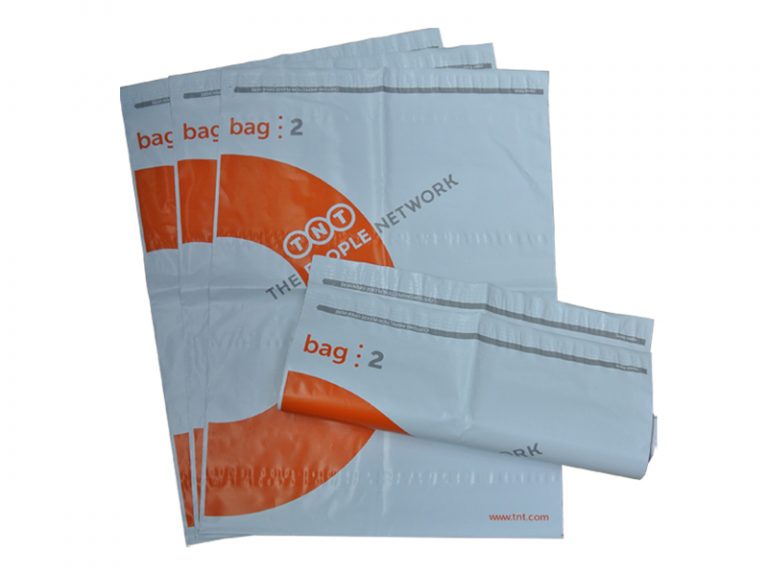
– steady process, dependable outcomes