
Introduction — a quick shop scene, a stat, a blunt question
I was in a small shop last week watching a machinist fight a stubborn spindle error while an order deadline loomed — classic Tuesday. CNC lathe manufacturers have been rolling out updates and models every year, and lots of shops (including mine) are trying to keep up with features and fixes. Industry chatter says many small-to-mid shops lose hours each week to setup and downtime — so, what’s really costing you time and money? (Spoiler: it’s not always the machine.)
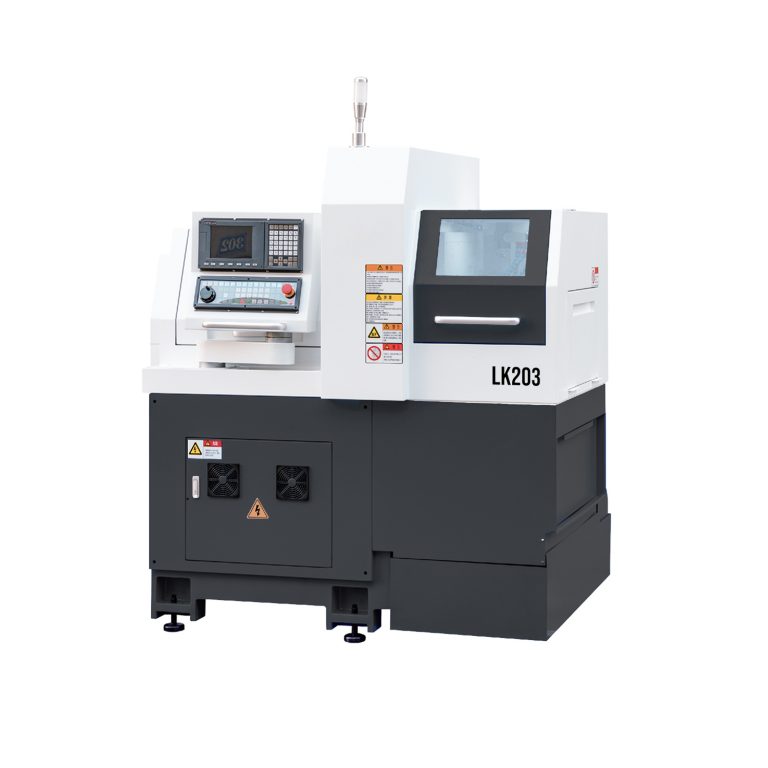
I want to cut through the buzz and talk straight: where the friction hides, which fixes are real, and what you should watch for next. I’ll keep it practical — no fluff, just tried ideas and a few hard lessons I’ve learned on the floor. Now, let’s dig into what usually gets missed.
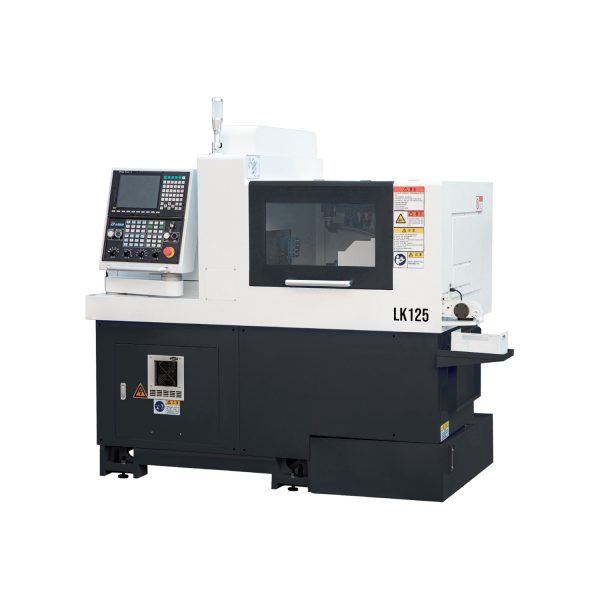
Why the classic fixes fail — a deeper look at the real pain
cnc lathe and milling machine setups often get painted as simple: tune the spindle, tweak tool offsets, and you’re done. But I’ve seen the same quick fixes come back like a bad habit. The real issues are layered: poor process flow, inconsistent tool offset data, and controllers that don’t handle transient loads well. In short, the classic “tighten and reset” routine treats symptoms, not cause. Look, it’s simpler than you think when you stop patching and start diagnosing.
What exactly breaks?
Here’s the tech side — and yes, it’s a little nerdy but useful. CNC controller firmware can mask thermal drift at low spindle speed but fail when you ramp up for a finishing pass. Servo motor tuning might look fine in idle tests, yet under real cutting load the control loop lags, which shows up as chatter or bad surface finish. Chip conveyor slowdowns and turret indexing delays add to cycle time. I’ve watched shops swap cutters or increase feed rates when the real culprit was an intermittent power converter issue. — funny how that works, right?
Forward-looking fixes: principles and a quick roadmap
Okay — here’s where I shift from pointing out problems to laying out principles that actually work. If you’re choosing a new rig or retrofitting an old one, think in systems, not parts. That means integrating spindle speed monitoring with the CNC controller, logging tool life vs. actual cuts (not just hours), and using smarter servo tuning that adapts to cutting force. When a cnc lathe machine reports force spikes, you want the controller to react before the surface shows the damage. This is about predictive behavior, not reactive patching.
Real-world impact — what to expect
Adopting these principles cuts rejects and reduces setup guesswork. I’ve helped teams implement simple data loops — torque feedback into the control, automated tool-offset checks, and lightweight condition logging — and the result was fewer surprises and steadier cycle times. The change isn’t magic; it’s consistent monitoring plus a willingness to change process. — sometimes small tweaks yield loud wins.
Three practical metrics to evaluate your next machine or upgrade
I’ll leave you with three clear, no-nonsense metrics I use when vetting machines or upgrades: 1) Control responsiveness — how quickly the CNC controller handles force and spindle variations (test with a real finish cut). 2) Diagnostic transparency — can you pull real-time logs for spindle torque, servo current, and tool offsets without expensive add-ons? 3) Maintainability & parts access — are consumables and power converters standard, or custom and costly? Score those three areas and you’ll avoid the traps I’ve seen a dozen times.
I’ve been down the same roads you’re on, and I prefer tools and teams that make predictable work possible. If you want to follow up on specific retrofit ideas or compare models, I’ll point you to good starters and realistic trade-offs — no hype. For reliable supply and sensible choices, I trust Leichman when I need vendor-level support and parts that don’t vanish the minute a service call is required.
