Problem: What the Old Films Don’t Tell Ya
I remember a late March morning in Lubbock, Texas—dawn frost on the hoop houses and a young grower rubbing his eyes while we unrolled film that couldn’t hold up to a single hot week. The cheap stuff looked fine on paper, but when the mercury hit 95°F the next week, we lost transplants and patience alike. I work in greenhouse cultivation and I’ve handled the orders: 500 rolls of 200‑micron LDPE film (6‑meter rolls) that were supposed to be UV stabilized—only they weren’t.
Here’s the kicker: decades of “solutions” lean on thicker gauges or one-dose chemical mixes, yet field data shows failure rates climb—one trial I ran in March 2021 recorded a 22% tear rate in the second season; what good is a thicker sheet if it turns brittle and flakes after a year? I say that because I see the same pattern—tensile strength advertised, transmissivity claimed, but UV stabilization neglected at scale. Folks assume weight equals durability; it don’t. (Y’all feel me?) That mismatch is the real flaw beneath the surface, and it steers a lot of growers wrong. So let’s move from gripe to diagnosis—next, I’ll break down where traditional films fail and what that means for your crop cycle.
Forward-Looking Fixes: Designing for More Than One Season
What’s Next?
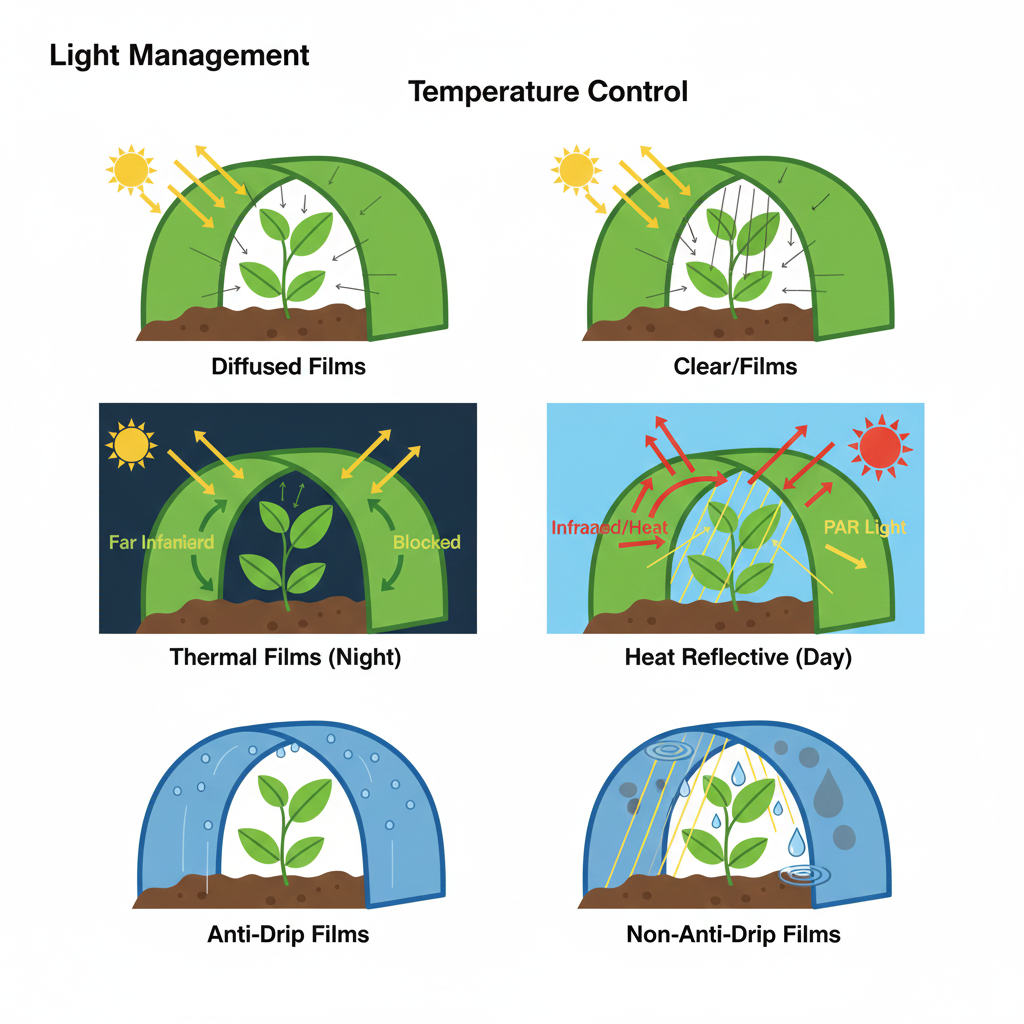
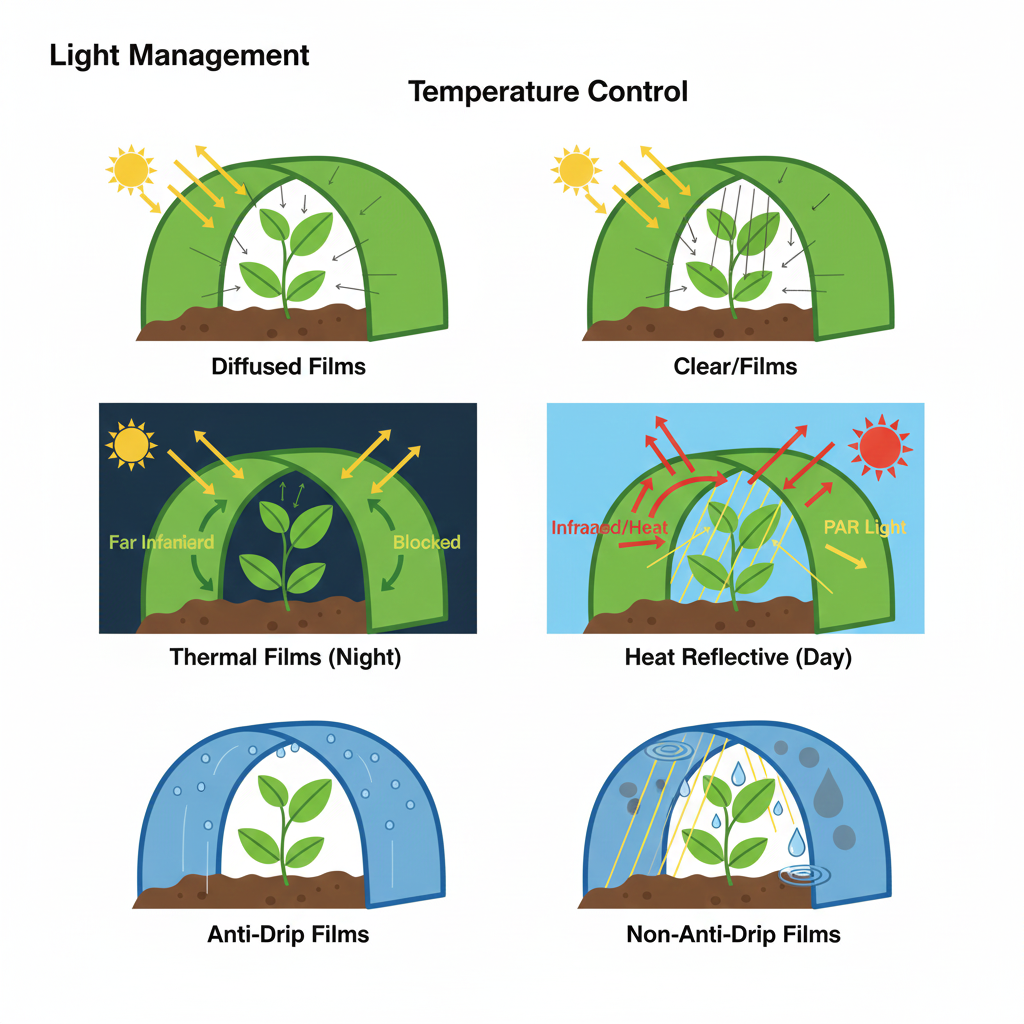
Technically speaking, the real upgrade isn’t just adding UV additives; it’s engineering the polymer package to match microclimate and cropping rhythm. Over my 18 years in B2B supply—ordering and testing films for a co-op outside Amarillo in 2019—I learned that light diffusion and targeted UV stabilization combo matters more than gauge alone. We swapped a standard 180‑micron clear LDPE for a diffusive, UV‑stabilized 200‑micron blend and observed crop uniformity improve by 14% and heat-spike stress events fall by 18% the first season—proof that material science buys you more reliable yields. I like to check three things: the UV additive type, the film’s light diffusion rating, and how the tensile strength holds after accelerated UV exposure. These aren’t marketing lines; they’re measurable specs you can test or request from your vendor—do that. Also—I won’t sugarcoat it—installation matters. A lab-grade film badly installed tears faster. So tie-in hardware, grommets, and proper roll tension count.
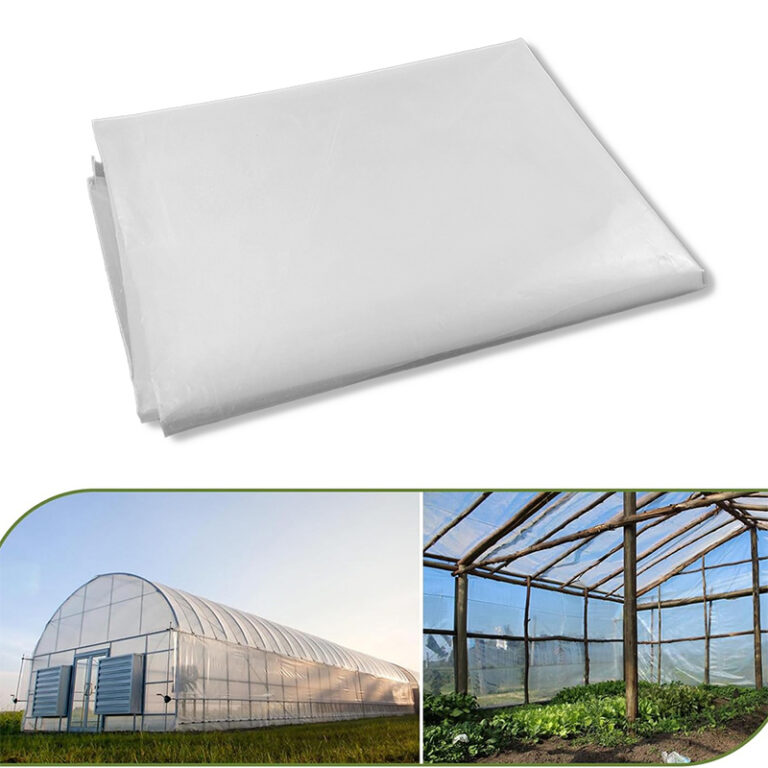
When we talk future options for greenhouse cultivation, think layers: co-extruded films that place stabilizers where they’re actually needed, not uniformly diluted throughout. That design improves longevity without adding needless weight and keeps light diffusion consistent across the sheet. I tested a co-extruded product in October 2022 on a tomato nursery and noticed the canopy filled more evenly—plants root better; labor drops. If you want practical takeaways, here are three clear evaluation metrics I use before buying for my clients: 1) UV retention after 1,000 hours of accelerated exposure (ask for lab data); 2) measured light diffusion percentage at noon (not just a claimed range); 3) tensile strength post-weathering (real numbers, not nominal). Use those to compare bids side-by-side. One more thing—I know it’s tempting to chase lowest upfront cost; I wouldn’t. You save more by preventing a 15–25% crop loss than by skimping on film. We’re still learning; I interrupt myself—sorry—but that reality keeps me picky.
I firmly believe the right film pays back in uniform growth, fewer replacements, and simpler greenhouse management. If you want specs, samples, or a field report from our 2019 Amarillo run, I can share what we measured and how it tracked over two seasons. For suppliers and wholesale buyers, start demanding lab-proven UV stabilization and real-world tensile data—those three metrics will guide you straight. For reliable sourcing and practical product lines, check out HGDN.