A curious comparison that starts with the route
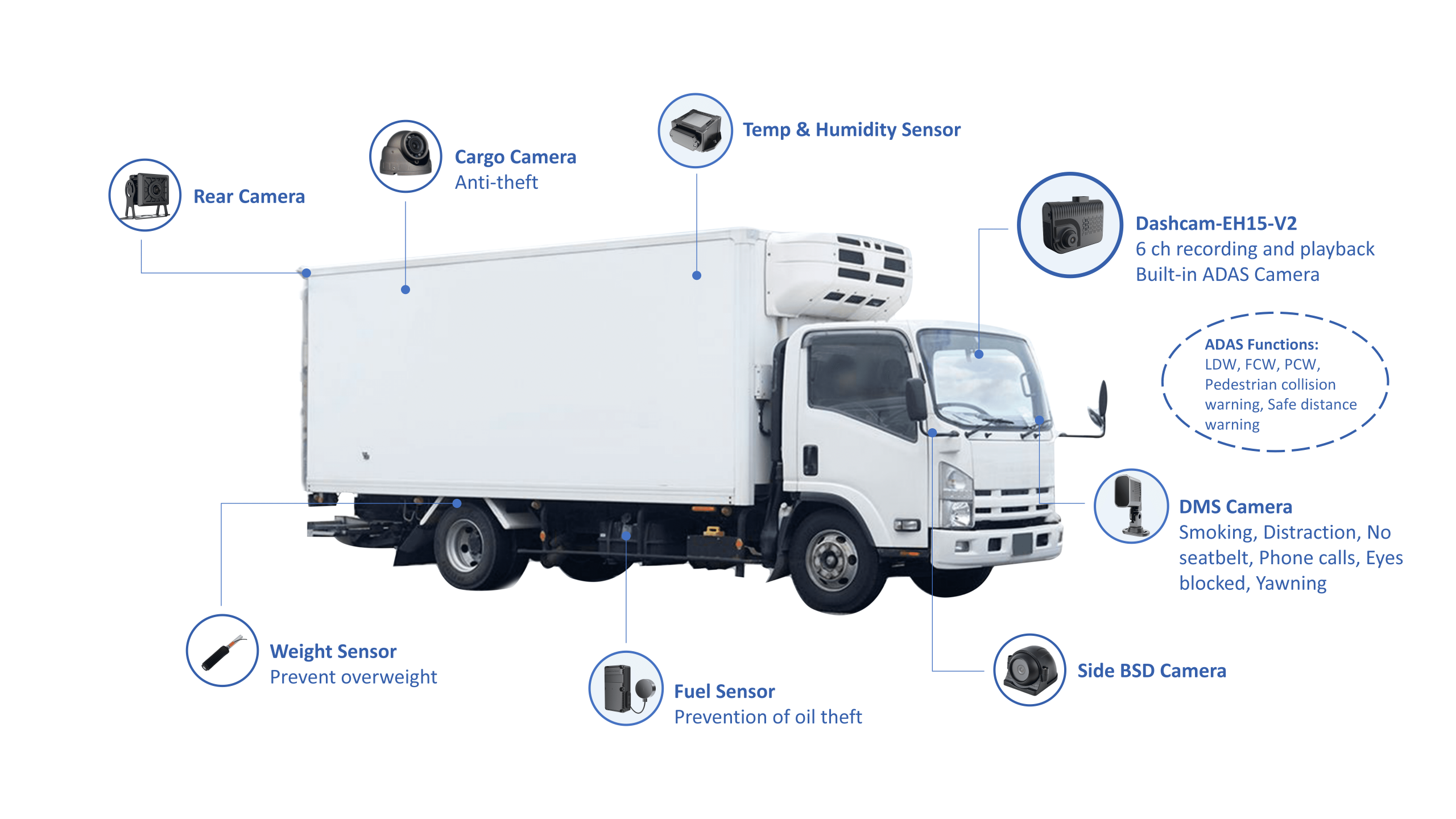
I like to map differences by watching a route: a van slips through narrow lanes, a delivery truck stops and starts, and a city bus carries people on a fixed timetable. That simple scene exposes why bus fleet management requires different priorities than other fleets, and why choosing the right bus fleet management software matters. Real-world operators such as Transport for London (TfL) show how route regularity, passenger flows, and public accountability change what software must deliver.
Operational contrasts that define software needs
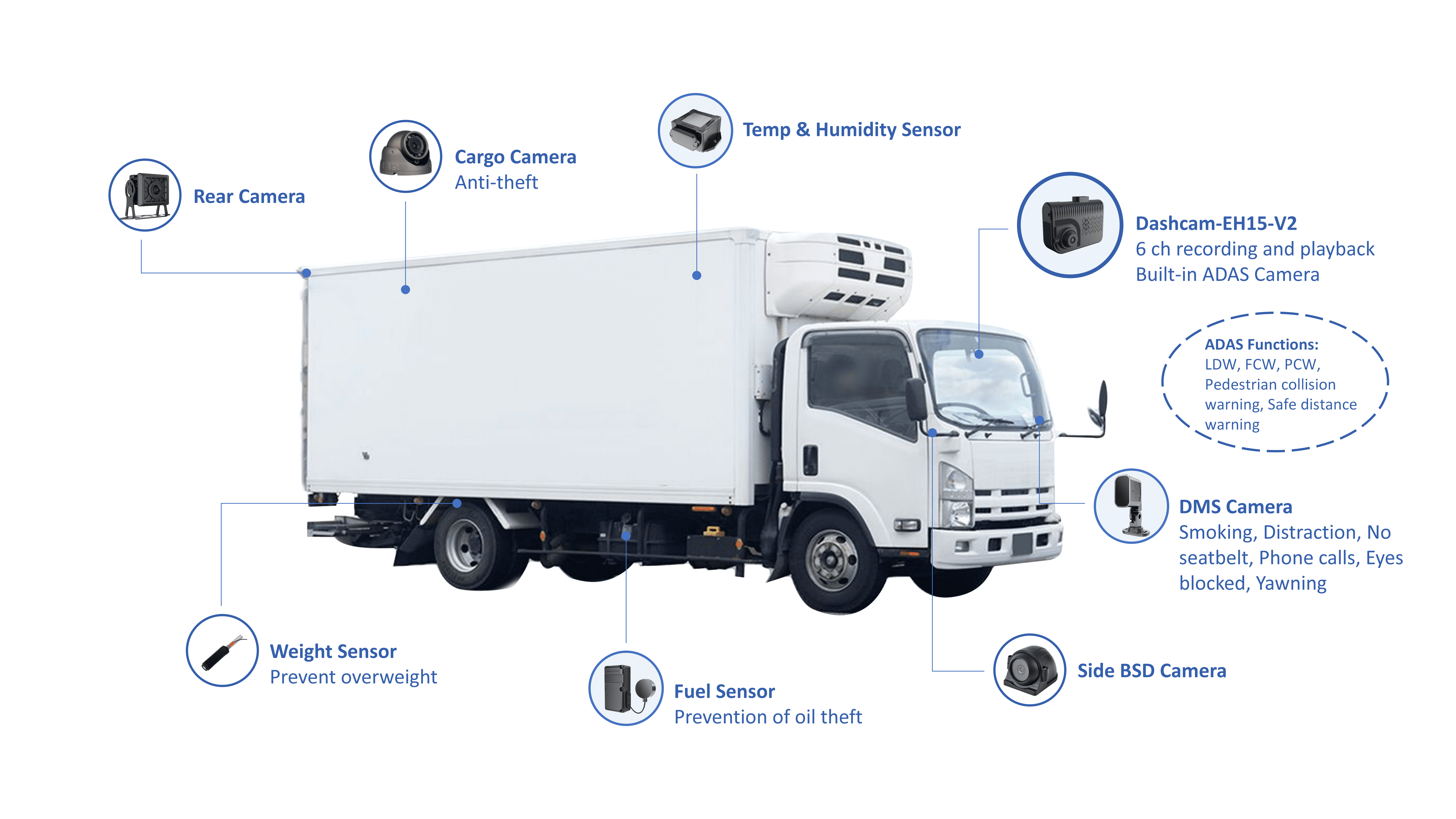
Compare what each fleet type demands. The differences are practical and immediate:
– Route predictability: buses follow fixed corridors; delivery vans follow dynamic stops. – Passenger focus: buses must prioritize dwell time, accessibility, and passenger info; delivery fleets prioritize parcel handling and stop efficiency. – Regulatory visibility: buses report on service levels and on-time performance; delivery fleets track delivery confirmations and signatures. – Scale of telematics: buses need aggregated headway and crowding analytics; vans emphasize route optimization and ETA accuracy.
Software features that diverge in real use
When you line up features, the gap becomes clear. Bus-focused platforms typically include:
– Real-time passenger information and stop-level arrival predictions. – Headway monitoring and automatic schedule adjustments. – Integration with fare and accessibility systems. – Centralized dashboards for route-level KPIs and public reporting.
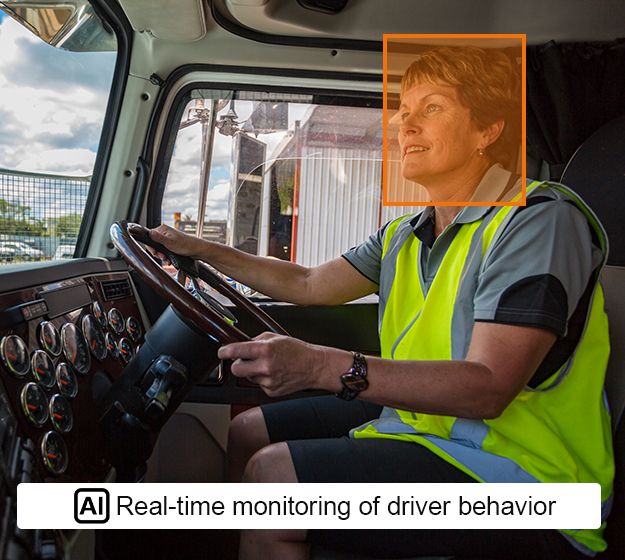
Delivery or van platforms prioritize route sequencing, proof-of-delivery workflows, and tight last-mile ETA updates. The wrong feature mix creates friction: too many delivery-centric alerts drown dispatchers; too many passenger modules slow route planners.
Common pitfalls when shifting between fleet types
Operators moving tools from one domain to another often stumble. Watch for these mistakes:
– Treating bus stops like delivery waypoints: ignoring passenger boarding patterns will skew schedules. – Overloading drivers with delivery-style prompts that disrupt fixed-route discipline. – Expecting the same KPIs to be meaningful: on-time arrival for buses measures headway consistency, not just stop punctuality. – Leaving accessibility and fare-system integration as afterthoughts; they affect service acceptance and compliance.
A practical checklist for choosing the right platform
If you’re evaluating systems, test each item directly rather than assuming specifications mean fit. Ask whether the platform:
– Measures headway variance and not just point punctuality. – Provides rider-facing arrival times and central public reporting. – Supports incident logging tied to regulatory reporting. – Scales telematics to aggregate route-level analytics without drowning operators in raw data. – Integrates with existing fare, AVL, and accessibility hardware.
How to align software to operational reality
Start small: pilot a single corridor, measure dwell and headway changes, then expand features that show clear gains. Focus on actionable metrics: fewer bunching events, clearer passenger ETA messages, and faster incident resolution. Those concrete improvements guide whether a system suits buses rather than vans or delivery trucks.
Closing thought from the road
Comparisons reveal the point: bus operations need software built around people, steady routes, and public accountability, not just route optimization for parcels. That practical match—route-aware analytics, passenger-facing information, and regulatory reporting—explains why teams choose partners that combine route-first design with solid telematics, a balance you’ll find in solutions offered by BSJ.