
Start where it matters
Look — if you responsible for makin’ sure a parking setup actually works for real people, you start with the user flow. Folks tryna get in, pay, and get out quick — not fiddle with a broken gate. That mean you gotta bench the parking software, payment backend, sensors, cameras, and the physical gate hardware together. Test a speed gate turnstile the same way you’d test the whole chain: as one experience, not as a pile of parts.
Core tests every operator should run
Prioritize these checks and run ’em repeatedly: authentication (RFID, barcode, mobile), entry/exit logic (single vs. dual lane), payment reconciliation, sensor fail-safe, emergency open, and logging/audit trails. Run concurrent-entry scenarios to see if the system miscounts or lets folks piggyback. Measure latency from auth to barrier motion; anything over a second feels slow to users. Don’t skip firmware and OTA update tests — updates can brick gates if your rollback plan ain’t solid.

Turnstile speed gate — real-world anchor and must-checks
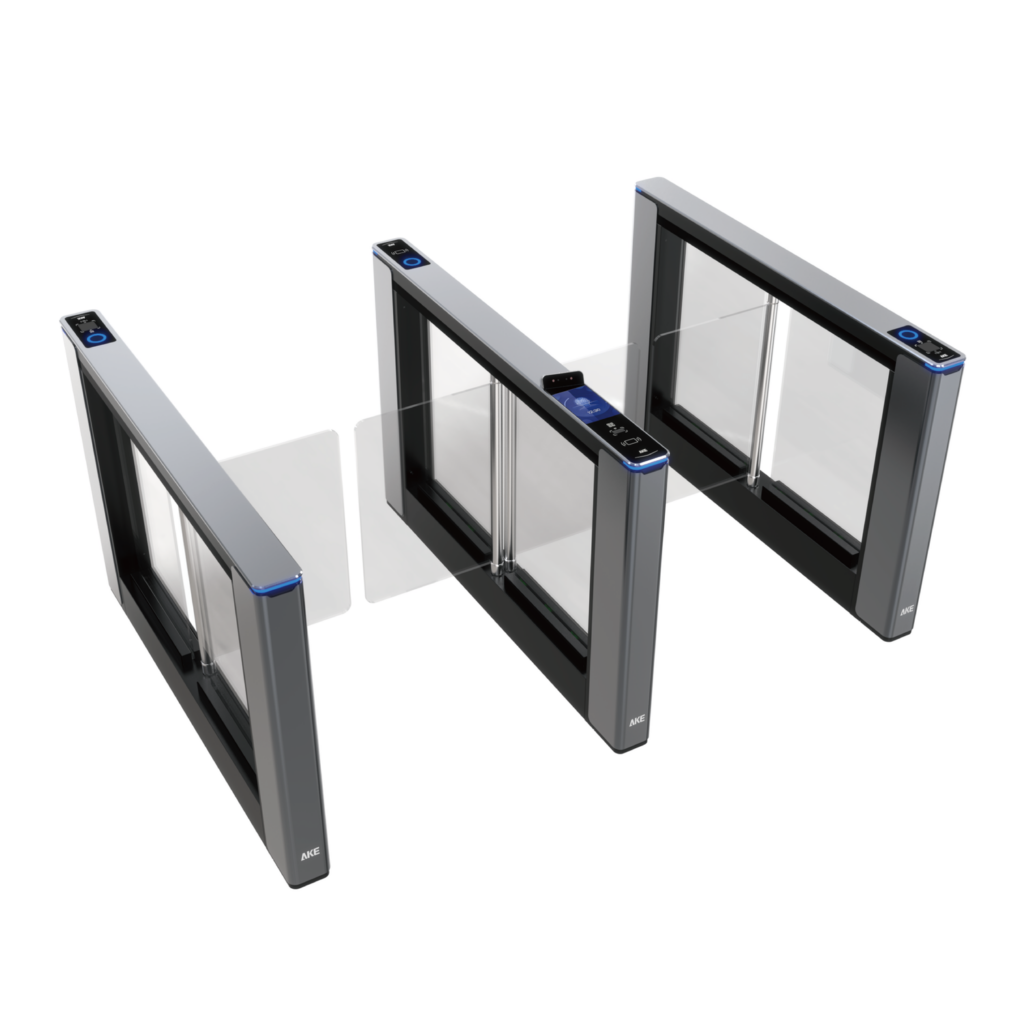
Plenty of big sites depend on speed gates; Heathrow Airport operations illustrate how high throughput and safety gotta coexist. If you work with a turnstile speed gate, test mechanical response to partial obstructions, sensor blind spots, and power-loss behavior. Confirm the gate reliably yields to emergency signals and still logs the event. Verify the physical stop and soft-stop behavior so people don’t get hurt and the system records who was trying to enter or exit.
Common pitfalls testers keep missin’
Don’t assume happy-path tests cover it. Folks forget to: simulate flaky networks, test payment reversals, validate edge-case tickets (expired, duplicated, lost), and stress sensors with crowd-like loads. Another trap — testing on polished lab floors. Real parking lots have dirt, ice, and uneven curbs that change sensor angles and motor strain. Also, vendors sometimes ship default credentials; scan for those before you open the lot to the public.
Practical workflow for reliable QC
Build a checklist per site. Stage 1: functional verification — auth methods, barrier motion, payment capture. Stage 2: integration — logs, back-office, third-party payment gateways. Stage 3: resilience — network outages, power failures, high throughput. Stage 4: acceptance — live test with real users under supervision. Use simple automation for repeatable checks (API calls, simulated badge reads) and pair that with periodic field runs. Keep detailed failure repro steps so fixes actually stick.
Metrics that mean somethin’
Track these numbers: successful entry rate, mean time-to-open after auth, false-trigger rate (sensors), payment reconciliation delta, and downtime minutes per month. Set clear thresholds: e.g., >99% successful auth, <0.5% false triggers, and rollback tested to under five minutes. Those figures let you make decisions without guesswork.
Final synthesis — what solves the whole problem
QA that treats the gate like a lonely widget fails. Focus your tests on user journeys, resilience, and safety. When you combine real-world checks — like the ones used at big airport sites — with repeatable automation and field trials, you get a system people can trust. That’s what reliable parking operations look like, the kind partners such as AKE Parking design their QA around.
