
Start with the right question
Comparative Insight means you look side-by-side and ask what matters most—materials, lead time, and after-sale care. If you need shade that also generates power, check a photovoltaic pergola spec early so you won’t chase incompatible frames later. Think like a buyer who must balance price, site conditions, and long-term performance.
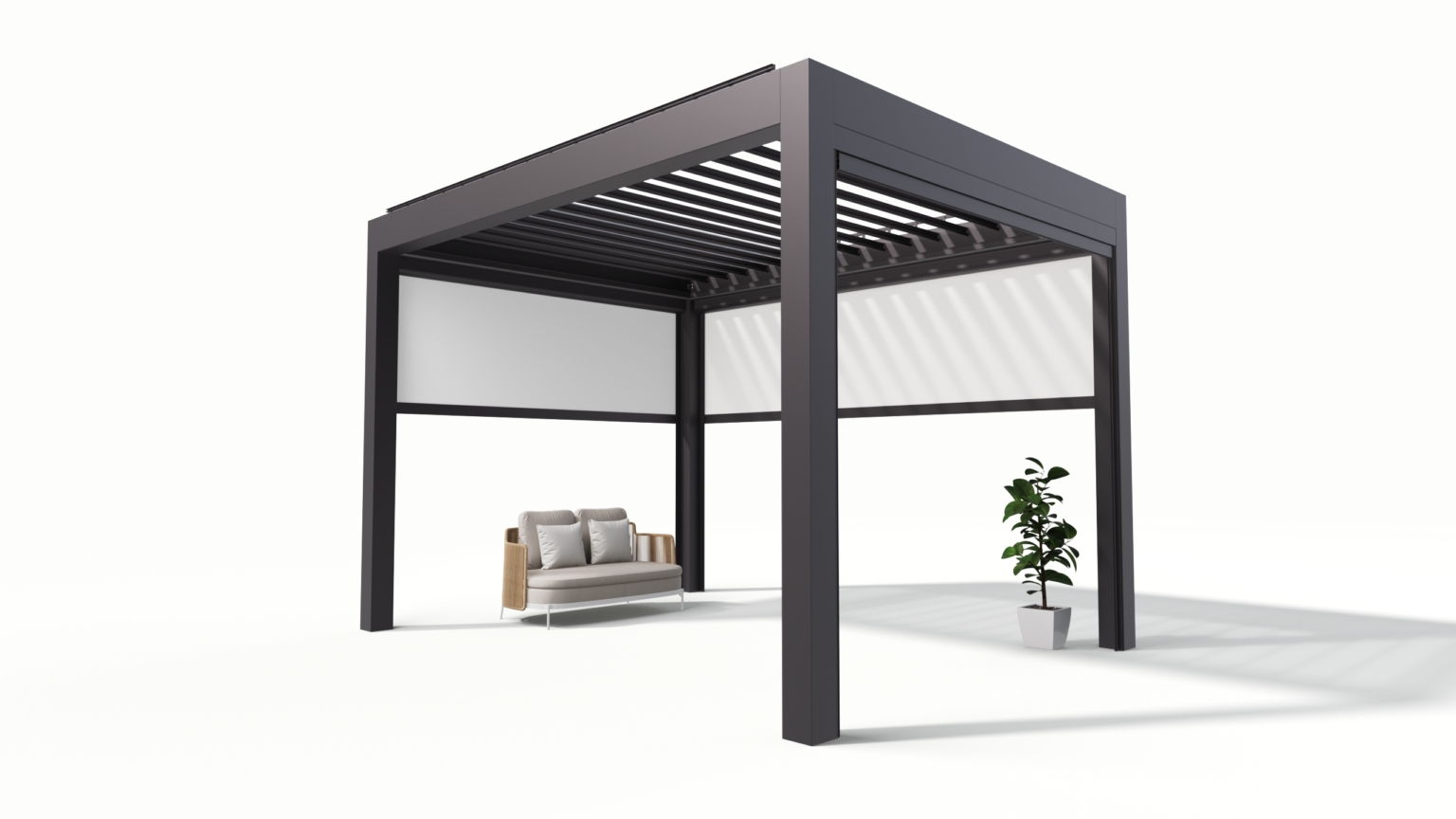
What to compare first — concrete criteria
Focus on a short list that separates suppliers from makers: 1) structural material and corrosion treatment, 2) wind and snow load ratings with stamped calculations, 3) quality of finish and paint warranty, 4) PV module compatibility (if used), 5) lead time and minimum order quantity (MOQ), 6) factory testing and third-party certifications, 7) clear warranty scope and service process. Get these as written facts, not vague promises.
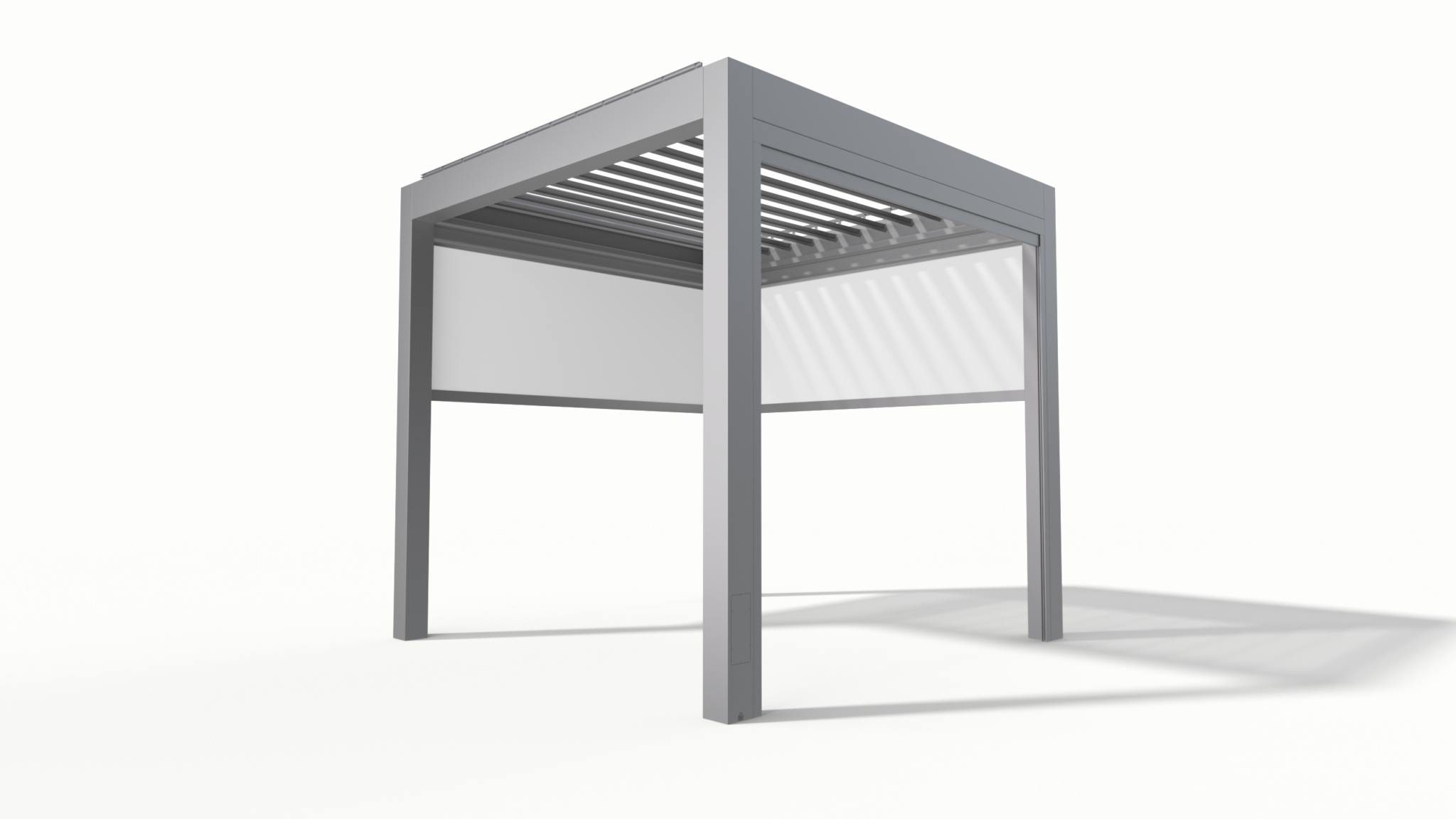
Manufacturer vs supplier — where differences show up
A manufacturer controls fabrication details and can change frame thickness, weld type, or post base design. A supplier often sources multiple brands and can offer faster product variety but less control over production changes. If you need design tweaks on site, prefer a manufacturer with shop drawings; if you need many models quickly, a reputable supplier may beat custom lead times. Ask who signs structural calculations and who accepts liability for on-site fixes.
Real-world anchor: market signals that matter
Look at validated studies on building-integrated solar and shading to set expectations—NREL analyses of BIPV adoption highlight durability and long-term return on investment for solar-shade solutions; that context helps when you evaluate an outdoor pergola option against plain timber or aluminum. Use those findings to weigh expected energy yield, maintenance frequency, and possible permitting hurdles for your site.
Common mistakes buyers make
Buyers often accept a quoted wind rating without seeing calculations, skip mounting detail for PV modules, ignore anchoring method for specific soil types, and misunderstand warranty limits (labor vs parts). Don’t assume sample photos show current production quality. Don’t mix up paint warranty duration with coating system performance—ask for test reports. Avoid decisions driven solely by lowest price; hidden costs show up fast on installation day.
How to validate claims fast
Request recent factory test reports, weld pictures, and a sample finish. Ask for: stamped structural drawings, certificate copies (ISO, CE, or relevant regional marks), names of two recent commercial references you can call, a site installation checklist, and an example of a handled warranty claim. If they show project timelines and change logs, that’s a sign their production and QC are real.
Practical checklist before you sign
Confirm these items in writing: exact profile and gauge of metals, wind/snow load numbers, finish system and warranty length, PV integration details (if applicable), lead time and penalties for delays, shipping terms and responsibilities, installation scope (who bolts to what), and a clear warranty claim process with response times. Keep the checklist with contract pages you can cross-reference.
Decision signals and final synthesis
Choose the partner that delivers measurable specs, documented tests, and a clear path for on-site adjustments. Quality shows in engineering stamps, traceable components, and honest timelines. That approach points to suppliers who present verifiable product data alongside consistent build practice—something I’ve seen validated by project teams and technical reviewers who prefer numbers over marketing. If a vendor gives those facts, you can compare offers fairly and decide with confidence; that practical clarity is also what Light Hunter puts forward in its materials and case examples.
