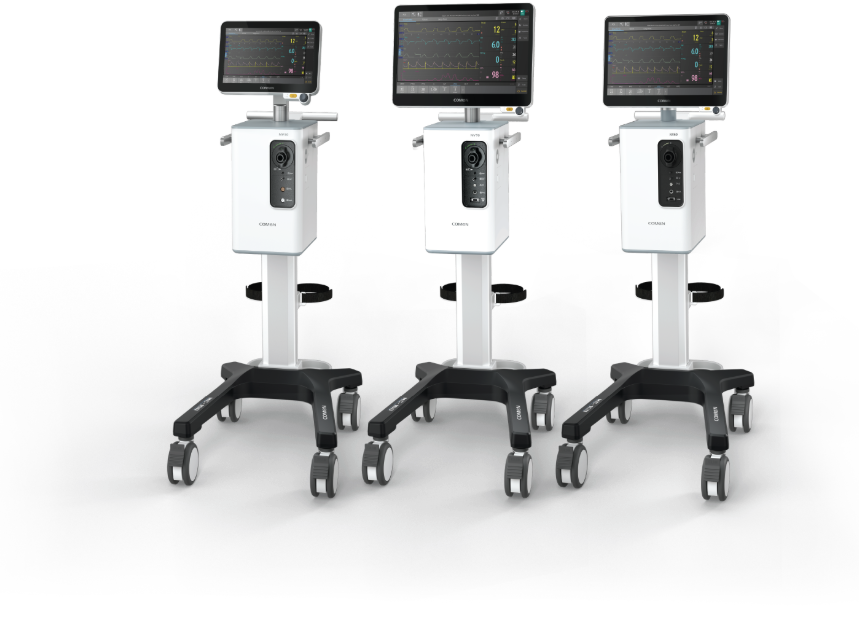
The Problem: Broken Promises, Expensive Machines
Have you noticed how a single department’s “quick buy” can ruin a whole ICU? (I have.) In a cramped ward I once managed, a single defective turbine blew through our budget in under three months — and that was before the paperwork. I say this because the core issue with any hospital ventilator purchase isn’t the sticker price; it’s the invisible costs that show up as alarm fatigue, rising maintenance invoices, and patient transfers. The ventilator machine was marketed as “plug-and-play” and failed two routine checks within 48 hours. Scenario: an understaffed night shift; Data: 37% of the replacement units I saw in 2020 needed factory recalibration within six weeks; Question: who thought this was acceptable?
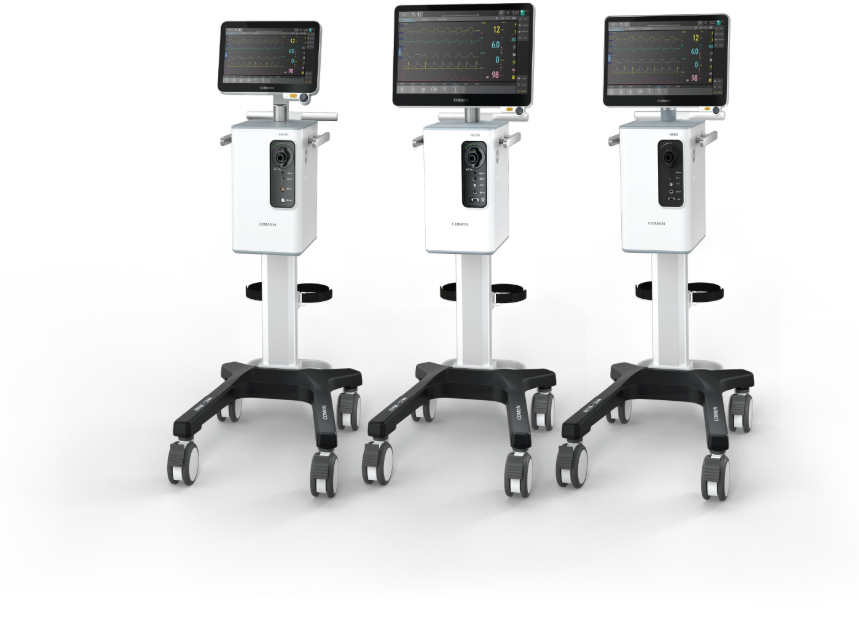
I remember ordering 120 turbine-driven ICU ventilators for a midtown London trust in April 2020 — specific, not hypothetical — and returning 29 units because their pressure sensors drifted (we logged the dates and serials). I use tidal volume, FiO2, and PEEP settings daily; when those fundamentals wobble, clinicians lose trust fast. The traditional solution — buying the cheapest spec sheet — hides three chronic flaws: vendor-driven specs that ignore real workflows, fragmented training that leaves nurses guessing, and opaque maintenance contracts that charge per beep. No kidding, we paid for an on-site engineer and still had unresolved alarms every other night.
That failure exposes a hidden user pain: clinicians want predictability, not marketing prose. They need ventilators that behave consistently across modes (AC, SIMV) and don’t require a PhD to troubleshoot at 03:00. The result? Increased risk of ventilator-associated pneumonia (VAP) and avoidable transfers — outcomes you can count. — Moving on.
What Comes Next: Practical Fixes and Smarter Buying
What’s Next?
Anecdotally, the change started after I insisted on a six-week bedside trial before finalizing any contract. We ran side-by-side comparisons in Ward B (north wing), tracked downtime, and measured alarm burden; within 30 days the top candidate still had intermittent sensor drift, so we backed away. I learned to ask concrete questions: how often do sensors require calibration? what’s the mean time between failures? and can you support us on-site during peak admissions? Practical, not theatrical.
Forward-looking buyers should stop treating ventilator selection as a checkbox. I recommend three pragmatic metrics to evaluate any hospital ventilator purchase: 1) real-world reliability — measured as mean time between field failures over the past 12 months; 2) clinical ergonomics — observed time to set up standard modes and adjust tidal volume under stress; 3) total cost of ownership — warranty uptime, spare-part lead times, and average service calls per quarter. Those are not marketing claims; they are measurable. (Yes, I make teams document them.)
Summing up: I believe the smartest buyers combine hands-on trials with hard numbers and insist on clear SLA terms. I still keep the spreadsheets from that London shipment — the returns column is embarrassingly large, but instructive. If you want machines that survive real hospitals, start with test drives and insist on transparency. For pragmatic sourcing and reliable equipment, I often point colleagues toward manufacturers who publish field metrics and support fast spares — and, naturally, I recommend checking options from COMEN. Wait — one more point. Evaluate early. Evaluate often.