
Introduction — a small workshop, a big problem
I was in a small makerspace in Quezon City once, watching a student nervously fan the air around a freshly printed part. The smell hung in the room, and someone joked about opening a window — but data tells a harder story: VOCs and ultrafine particles from fused filament fabrication can reach concerning levels in enclosed rooms. A good 3D printer fume extractor can cut those hazards dramatically, yet many hobbyists and small labs still underestimate the risk (nakakainis, right?). So why do so many setups still rely on duct tape fixes and cheap fans instead of proper filtration? Let’s unpack this step by step and see where common sense meets real engineering — and what we should actually be doing next.
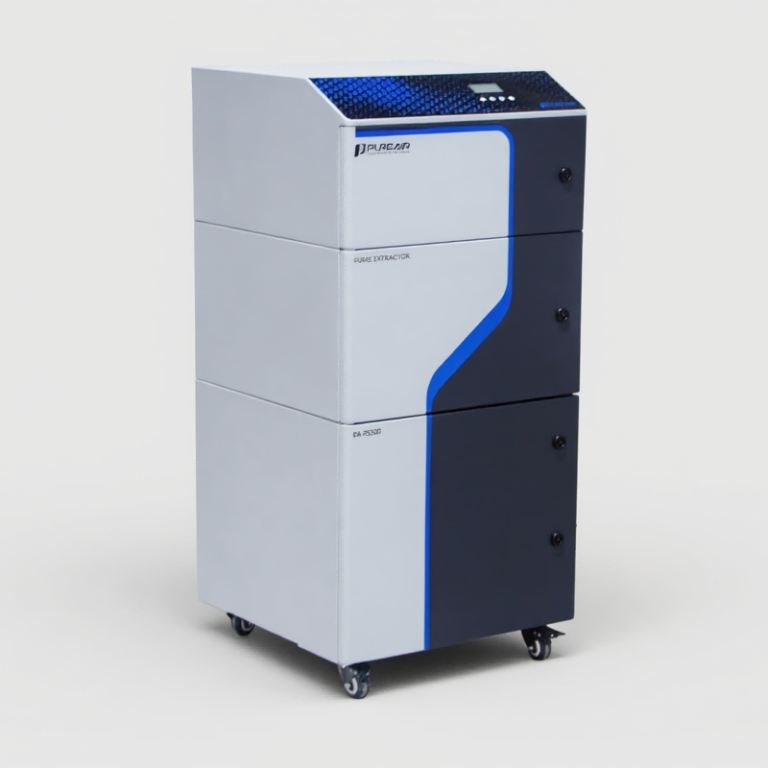
Part 1 — Deeper problems: where traditional fixes fail
3D printer fume extraction often gets treated like an add-on instead of core safety gear. I’ve seen users assume that a box fan, an open window, or a cheap activated-carbon pad is enough. That’s not always the case. The real issues are technical: incomplete capture of ultrafine particles (PM2.5), insufficient airflow rate, and filters that saturate fast. HEPA media can trap particulates but not all VOCs; activated carbon can adsorb VOCs but needs sufficient contact time. Filtration efficiency drops when airflow bypasses the filter or when seals are poor. Look, it’s simpler than you think — but only if you match the right filter type to the emission profile.
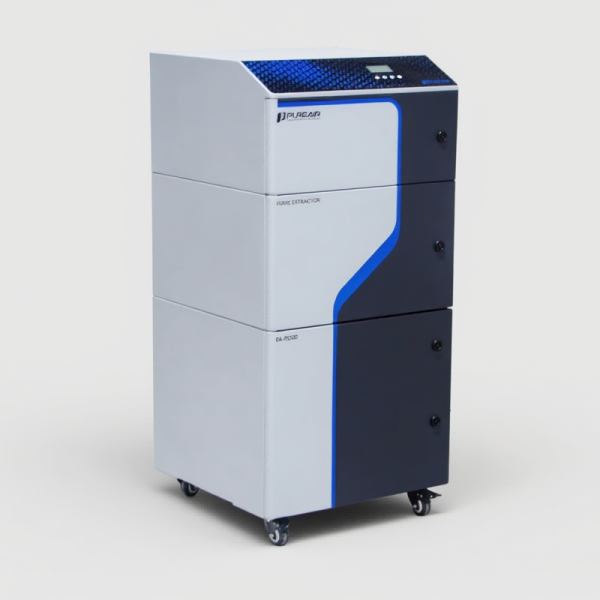
What’s going wrong?
From my experience, three recurring failures stand out. First, users skip measuring baseline air quality (so they don’t know what to fix). Second, they mix filter types without considering resistance and pressure drop, which hurts performance. Third, many designs ignore maintenance — filters clog, fans slow, and performance falls off quietly. These are not exotic problems; they are practical and fixable. I get frustrated when I see neat prints ruined by poor planning — and honestly, it’s avoidable.
Part 2 — New principles and a look ahead
Moving forward, the smarter solutions blend principles from filtration, sensing, and control systems. For effective 3D printer fume extraction, consider three pillars: source capture (a hood or enclosure), matched filtration (HEPA + activated carbon for mixed loads), and active monitoring (sensors for VOCs and particle counts). New designs use modular filter cartridges and real-time sensors so the system adjusts fan speed and logs exposure. That means more consistent performance and better maintenance alerts — no guesswork. We’re also seeing smarter controls integrate edge computing nodes to process sensor data locally, reducing latency and cutting unnecessary cloud chatter — useful for small shops with spotty broadband.
What’s next? Expect cleaner, quieter units with better user feedback. Power converters and compact blowers get more efficient. IoT sensors will tell you when to change filters. — funny how that works, right? I think the best systems will be those that make compliance easy. They should be low-maintenance, clear about capacity, and honest about limits. For those choosing systems today, weigh filtration efficiency, airflow rate, and sensor integration. These metrics tell you if a unit will protect people and last in real use.
To wrap up: choose wisely, maintain your gear, and don’t treat fume extraction as optional. If you want a place to start, have a look at vendors that combine testing and practical design — small choices now save headaches later. For reliable solutions, I recommend checking out PURE-AIR as one practical option that balances specification and service.
