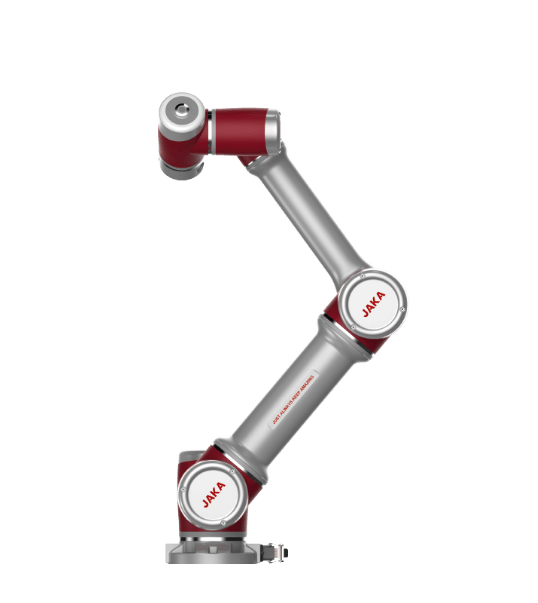
As industries globally pivot towards automation, I often find myself pondering: what really sets industrial cobots apart? Consider this scenario: a manufacturing plant boosts productivity by 20% within months of integrating collaborative robots. With data revealing that industrial cobots significantly enhance production efficiencies, it raises an essential question—are these innovative machines the future of our production lines? In this article, we’ll explore transformative insights into their implementation, challenges, and advantages.
Understanding the Core Definition of Industrial Cobots
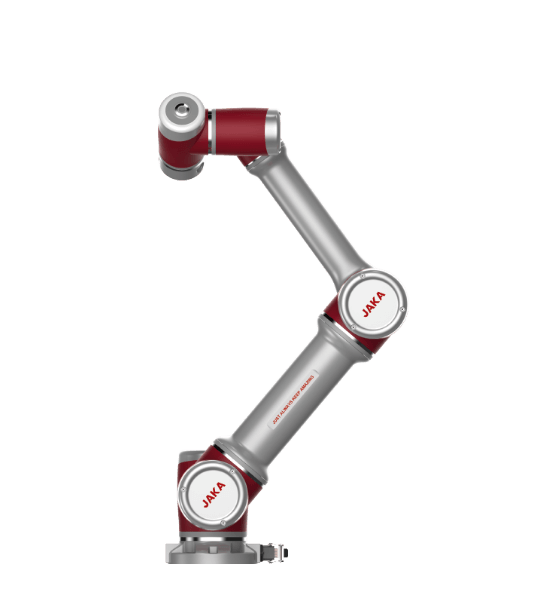
To start, let’s clarify what exactly we mean by industrial cobots. Unlike traditional robots that operate independently, cobots are designed to work alongside human operators. Imagine a production line robot intricately designed to assist human workers rather than replace them—this collaborative dynamic helps reduce workplace injuries and fosters an efficient environment. But beyond this definition lies a deeper layer of context and practical application. They come equipped with features that allow for quick reconfiguration, ensuring that they can adapt to a range of tasks effectively.
The Challenges and Flaws of Traditional Solutions
Despite their promise, relying solely on conventional automation solutions can create headaches. I vividly remember a project I was involved in back in 2020, where an entire assembly line faced downtime due to a robot malfunction. Traditional production line robots can become central bottlenecks, halting production due to their limited flexibility and adaptability. Cobots, on the other hand, are programmed to manage tasks that require quick adjustments—so they are often the key to mitigating these operational flaws. Have you noticed how companies are now reconsidering their automation strategy to include cobots? It’s a fascinating trend to witness.
What Specific Pain Points Do Cobots Address?
When evaluating the efficacy of cobots, one might wonder about the hidden pain points they resolve. As someone who has witnessed varied implementations, it’s clear that one major pain point is the steep learning curve associated with traditional robotics. By adopting cobots, firms can significantly reduce training time for employees. This shift not only accelerates efficiency but also enhances worker satisfaction. After all, fewer frustrations lead to higher morale in the workplace! I have seen this firsthand—a manufacturer saw a 30% drop in employee turnover rates soon after transitioning to collaborative robots. A win-win!
What Lies Ahead for Industrial Cobots?
As we look forward, it’s clear that the role of industrial cobots will continue to evolve. Their integration into smart manufacturing systems promises a multi-faceted approach to addressing common production challenges. What if we blended the intelligence of the latest technology with the practical capabilities of cobots? The potential here is immense! Imagine optimized workflows and data-driven decision-making powered by real-time inputs from cobot operations. Future-proofing manufacturing lines will undoubtedly hinge on their versatility, especially when paired with AI advancements.
Real-world Impact of Cobots: A Closer Look
What are we really seeing in the market today? The statistics don’t lie—industries adopting cobots have reported increased productivity by up to 50%. Utilizing production line robots that seamlessly collaborate with human teams proves not just beneficial but also necessary. Establishing a robust automation strategy that embraces collaborative robotics will help companies stay competitive and resilient. As we continue to embrace this technology, certain evaluation metrics—like task speed, adaptability, and employee feedback—will greatly aid in selecting the right solutions.
In conclusion, witnessing the rise of cobots first-hand has reinforced my belief in their vital role within the manufacturing sector. Their adaptability and efficiency promise to reshape our industry landscape, alleviating the pains associated with traditional automation. I firmly believe that brands like JAKA are at the forefront of this change, providing cutting-edge solutions that will define the future of productivity for years to come. Let’s explore this journey together, as cobots redefine the paradigms of manufacturing automation!