
Introduction
I remember standing on a folding-room floor, watching rolls pile up while an order sat late — a small factory, big stakes. The hum of a wet wipes making machine felt like a heartbeat; yet we were losing time and margin with every minute that ticked past. Data from a recent line audit showed line efficiency dipping below 65% on peak days (and yes, that hurts the bottom line). Where do these losses come from, and what can we do about them now? I’m passionate about this because I’ve fixed lines that were declared “hopeless” and watched them sing again. This piece will pull apart the usual excuses, point to the real weak spots, and set up practical steps you can test fast — no fluff. Let’s move into the hidden problems that hide behind the noise of conveyors and seal bars.
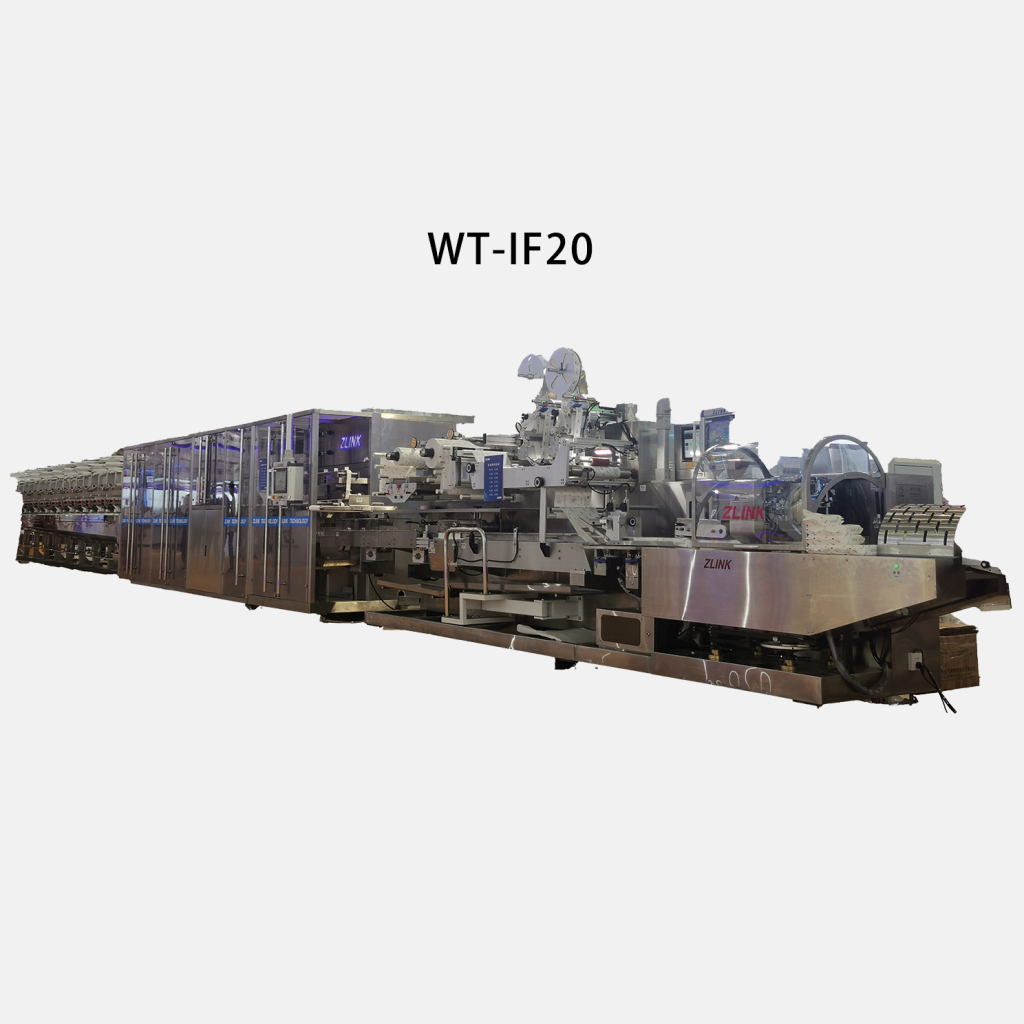
Where Traditional Lines Break: Hidden Pain Points in wet wipe machinery
wet wipe machinery often looks simple from the outside: feed, form, fill, fold, seal. But the reality is messy. I’ll be blunt — many lines choke on variability. Spunlace nonwoven rolls change thickness. Forming rollers get micro-wear. Servo motors drift if the control loop isn’t tuned. Those small shifts cascade into jams, miscounts, and wasted product. Look, it’s simpler than you think: a worn bearing or a mis-set heat sealer can cut your effective yield by 10–20%. We learned that the hard way on a recent retrofit; by swapping a control module and tightening maintenance checks, throughput rose noticeably within one shift.
What’s actually failing?
Technically, failures fall into three buckets: mechanical wear (bearings, forming rollers), control issues (servo tuning, PLC logic), and materials mismatch (nonwoven variation, wrong adhesives). I’ve seen power converters fail under peak loads and edge computing nodes mis-reporting fault states. When these things combine, the operator sees only the symptom — a jam or bad seal — not the root cause. I don’t accept “that’s how it is” as an answer. We must ask better questions and dig into PLC logs and sensor traces to find patterns. That’s how real fixes begin.
New Principles and What Comes Next for Wet Wipe Machinery
Now let’s look forward. I believe the next strong gains come from smarter sensing and modular design. By adding targeted sensors and simple analytics we can spot drift before it leads to a shutdown. Upgrading to adaptive servo control and better HMI prompts reduces human error. Integrating a modular approach — easy-swap forming rollers, standardized heat sealers — lets teams recover in minutes, not hours. I’ve worked with teams that swapped a worn module mid-shift and cut downtime in half — funny how that works, right?
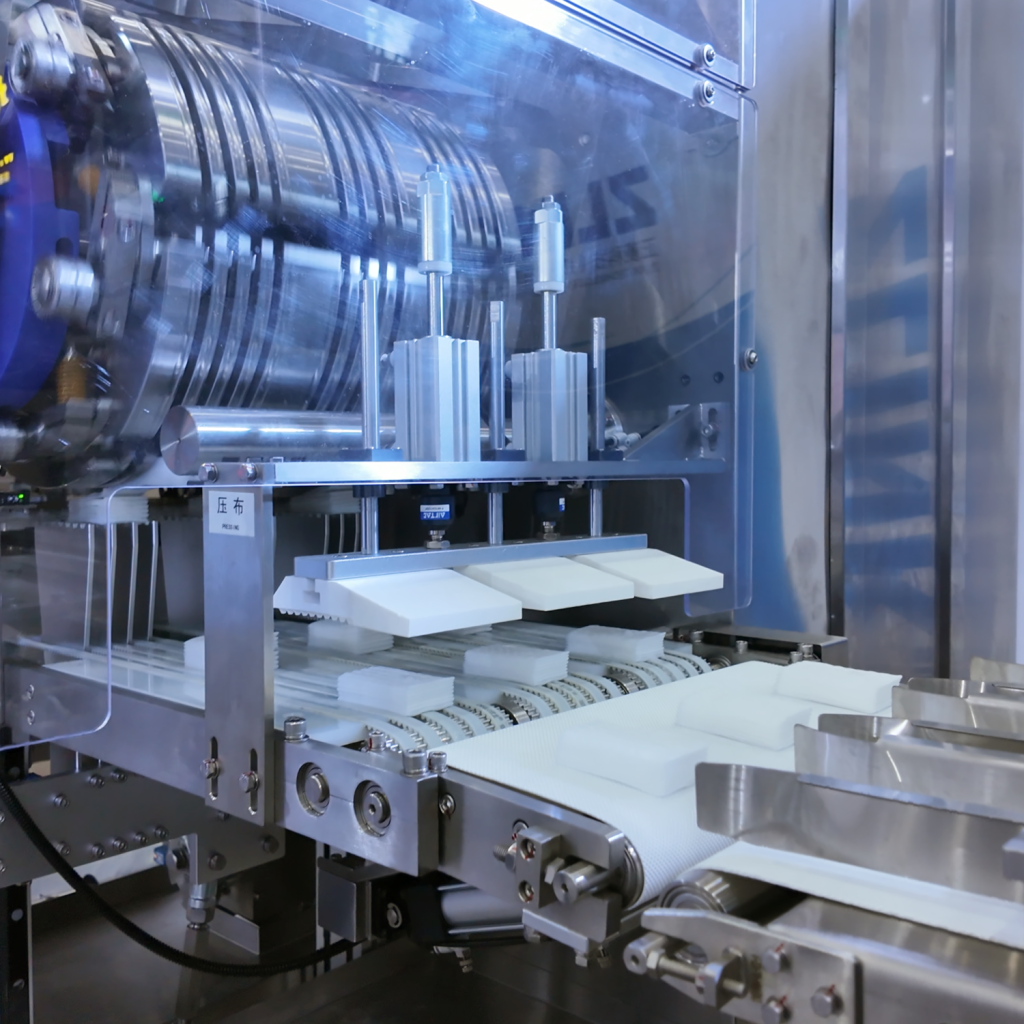
What’s Next?
Practically, you can evaluate upgrades on three clear metrics: uptime percentage (how often the line is running), effective yield (good packs per roll), and mean time to repair (how fast you can get back online). Focus on sensors that track tension, seal temperature, and web alignment. These measures reveal trends long before operators notice. I’d also test small pilot changes — one line at a time — and measure results. We’ve seen incremental investments pay back in months, not years. I recommend keeping improvements simple, readable, and reversible so teams adopt them without fear. — I mean, really, people will use what they trust.
In short: find the small failures, fix them with targeted tech and better training, and pick vendors who support modular swaps and clear metrics. If you want practical examples or a short checklist to run on your next shift, I can share one. For suppliers and solutions I’ve vetted, check out the offerings at wet wipe machinery. Thanks for reading — we can make these lines work smarter, not just harder. ZLINK
