
Introduction — A Moment on the Line
I stood next to a tired roll stand last month and watched operators tape together a web that claimed to be “good enough.” That scene captures why wet wipe machinery matters: it is where product quality and daily throughput collide. Right now, many lines still run on legacy PLCs and basic tension control, while expectations for speed and hygiene climb (and fast). Recent shop-floor audits I’ve seen show rejection rates climbing by 8–12% on older machines — so what do we fix first? I ask because I’ve been in your shoes: juggling servo motors, spare parts, and staff morale while trying to keep output steady. We’ll unpack practical steps, highlight where traditional setups fail, and give clear metrics you can use tomorrow to judge an upgrade. Next, I’ll dive into the deeper issues that haunt most plants and why simple fixes often miss the mark.
Where Traditional Solutions Break Down
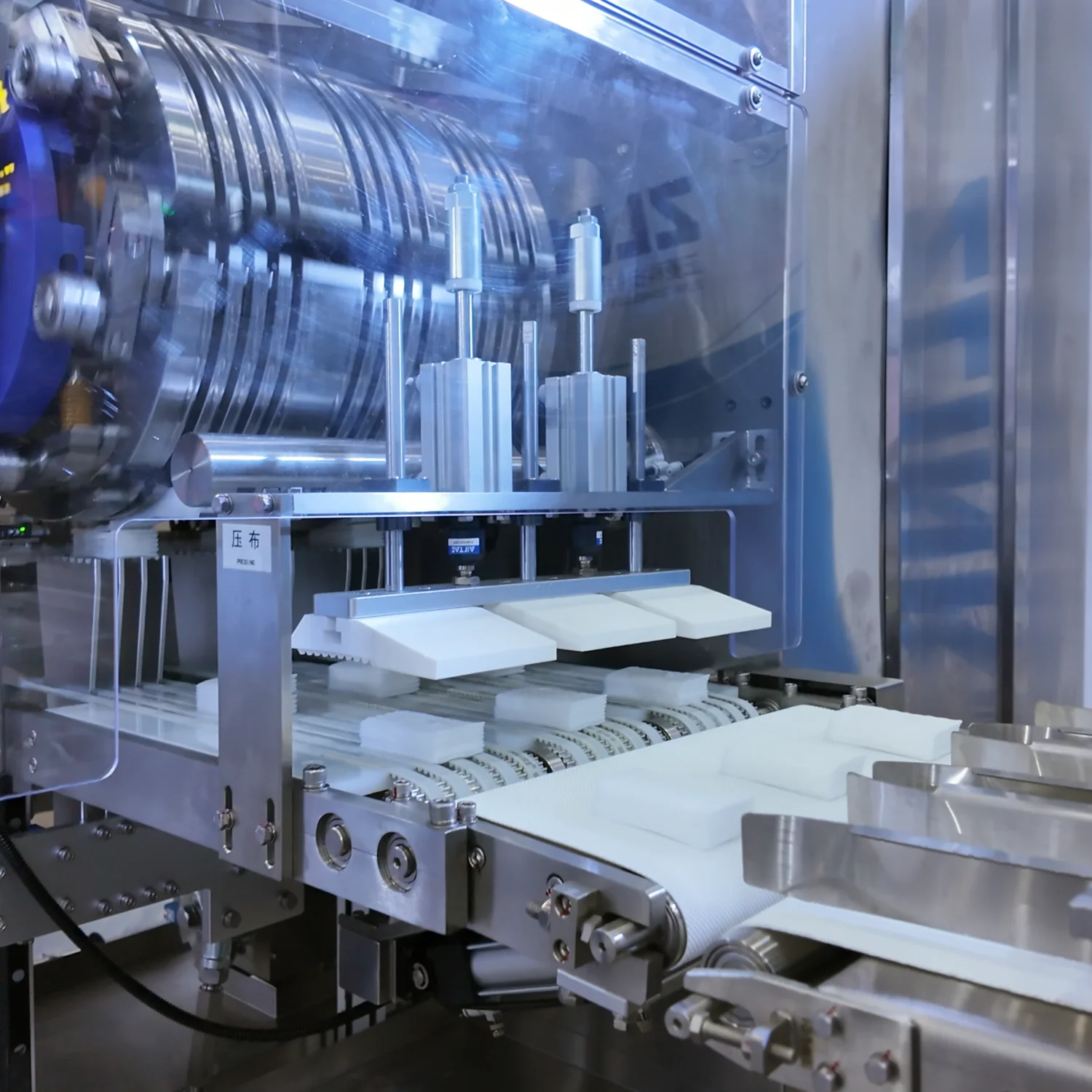
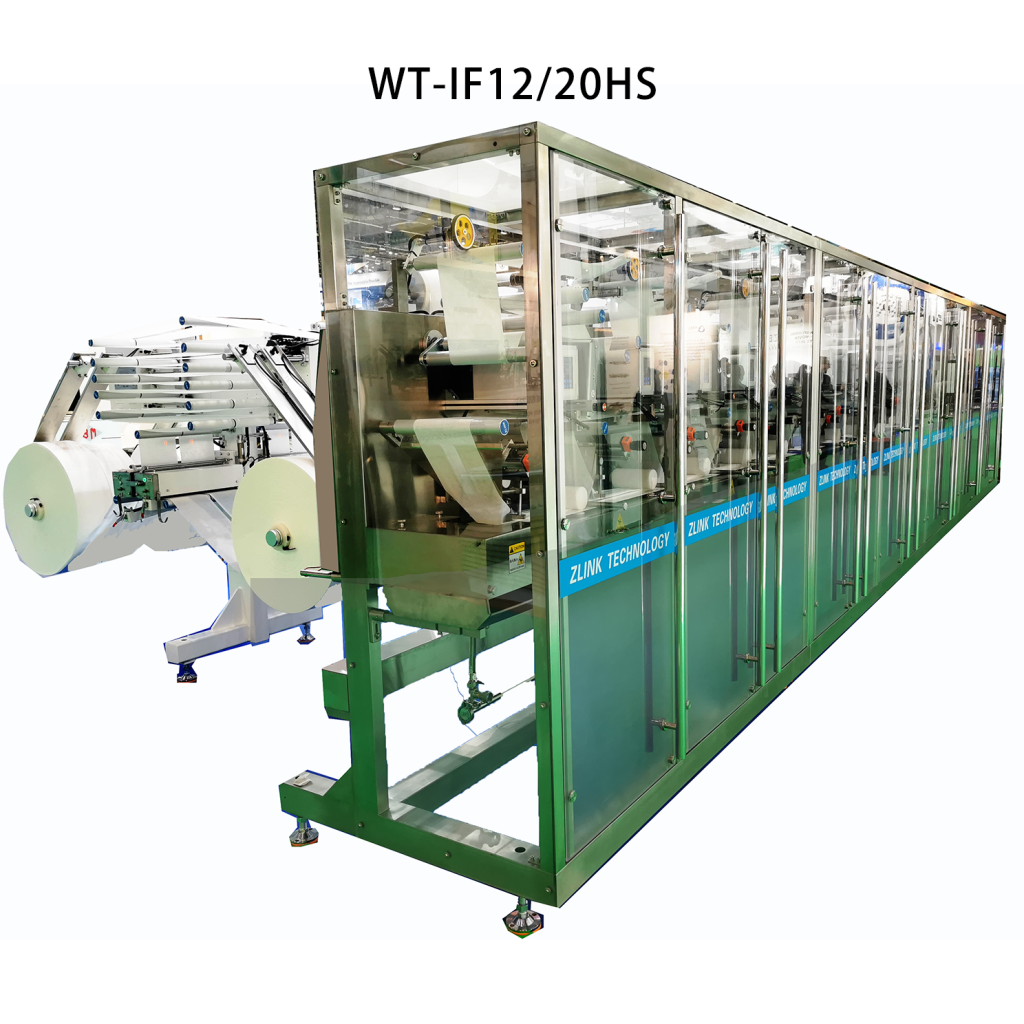
Let’s be precise: a lot of pain comes from machines that were never designed for modern run profiles. When I say “wipes manufacturing machine,” I mean systems that must handle varying sheet sizes, different tissue weights, and wetting processes without missing a beat — which many older frames simply can’t do. In practice, the weak links are the sync between the cutting head and feed, inadequate edge computing nodes for real-time diagnostics, and power converters that can’t handle peak loads. These create uneven cuts, stash lots of waste, and force frequent manual adjustments. I’ve repaired lines where a single mis-tuned tension control caused a full shift of rejects. Look, it’s simpler than you think: small mismatches in control logic amplify into big losses on the roll.
Why do these flaws persist?
There’s a stubborn belief that patching is cheaper than replacing. I used to think the same — until I mapped downtime across a six-month period and found that incremental fixes cost more in labor and scrap than a targeted controller upgrade. Common culprits are unclear fault logs, limited I/O on old PLCs, and mechanical downtime from worn bearings. Each symptom points back to a bottleneck in sensing (bad data), actuation (slow servo response), or power (undersized converters). If you want better uptime, start by auditing those three areas. I recommend a short list: upgrade the control platform, standardize sensors, and validate the cutting head timing. Fix those and you’ll see immediate gains.
Next Steps: New Principles for Smarter Lines
What’s next is about principles, not toys. I believe upgrades should follow three simple rules: prioritize data where decisions are made, give actuators the bandwidth they need, and design for serviceability. For a modern wipes manufacturing machine, that means adding edge computing nodes to capture cycle-level metrics, swapping in higher-resolution encoders for the feed system, and fitting servo motors with predictable torque curves. When I advised a mid-size plant recently, we replaced an old hydraulic press with a compact servo-driven module and cut changeover time by half — funny how that works, right?
Real-world impact?
Short answer: measurable and fast. Upgrading control logic and sensors yielded fewer misfeeds and cut rejects by nearly 15% in two weeks for the plant I mentioned. But there’s also a human side: operators felt less stressed and maintenance teams stopped chasing ghost faults. — wait, hear me out. The real payoff is repeatability; once a line is predictable, you can push speed and still hit quality targets. I’m not saying every plant needs a full retrofit. Sometimes a phased approach — controller, then sensors, then motion — gives the best balance of cost and benefit.
Closing: How I Judge an Upgrade
I’ll leave you with three practical evaluation metrics I use when vetting upgrades. First, uptime delta: measure baseline downtime and aim for a realistic percent gain (I typically look for 10–20% in year one). Second, scrap reduction: quantify current scrap and set targets tied to specific fixes (e.g., encoder upgrade to reduce miscuts). Third, mean time to repair (MTTR): upgrades should lower MTTR by simplifying access and using standardized modules. If a proposal doesn’t improve at least two of those metrics, I question the ROI. We’ve used these criteria in several projects and they keep discussions honest and focused. If you want a straight talk partner who will map this to your line, I’m in — and for solutions and equipment I recommend checking options from ZLINK.
