
Introduction — a shop-floor story, some numbers, and one blunt question
I still remember the first time our shop brought in a true five-axis workhorse: the noise, the new tool changer routines, the way everyone gathered like it was game day. By the end of the quarter our output ticked up, but so did our bills—and that’s the real data point I keep in mind (small shops know what I mean). When you look at 5 axis CNC machining center manufacturers, you see a wide mix: some promise miracle throughput, others deliver promise and paperwork. So how do you pick a maker that actually moves parts faster, cleaner, and without constant babysitting?

I want to be honest with you: this piece is for people who run machines, not marketing decks. I’ll walk through what I’ve seen work, where folks get burned, and the simple signals I watch before I sign a purchase order. Stick with me—there’s practical stuff coming next that matters on the floor.
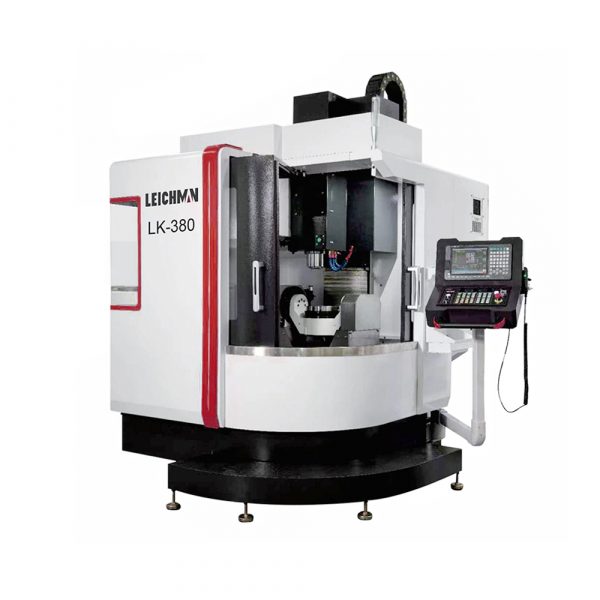
Why many traditional solutions misfire (the nuts and bolts of the problem)
five axis cnc machine buyers often get seduced by spec sheets—more spindle speed, higher torque numbers, fancy rotary heads—yet the real work happens in the margins: toolpath optimization, thermal drift, fixturing. Too many vendors treat CNC sales like a specs race. In my experience that leads to shops buying machines that are fast on paper but fussy in practice. Look, it’s simpler than you think: if your CAM output and machine kinematics don’t play nicely, you’ll spend nights tweaking G-code instead of making chips.
Technically speaking, common failure points include poor interpolation handling across axes, weak spindle cooling leading to thermal growth, and clunky automatic tool changers that stall in high-mix runs. I’ve seen servo drives tuned for peak speed but not for smooth contouring—result: chatter, scrap, frustration. These issues add up faster than anyone budgets for: downtime, rework, and that slow drain on team morale. We must ask: are we buying a machine or a long-term project? — funny how that works, right?
What’s the single worst oversight?
It’s underestimating integration time: control customization, post-processor tuning, and fixture design. Those are not bells and whistles—they’re the project.
New technology principles to watch — how the next-gen 5-axis plays smarter
Now, looking forward, I favor machines that solve those integration pain points through smarter software and smarter hardware synergy. Modern systems lean on closed-loop feedback, adaptive control, and predictive maintenance algorithms to keep contours true and cycle time consistent. When I evaluate a 5 axis machine center, I want to see tight kinematics models, reliable toolpath simulation in the CAM, and diagnostics that actually tell you what to fix—no mystery lights. These are not buzzwords; they’re working logic that reduces trial-and-error on the floor.
One practical example: a controller that flags thermal drift and adjusts feed rates mid-job prevents scrap before it begins. Another is an integrated tool library that syncs tool offsets, coolant strategies, and spindle regimes so operators don’t have to rebuild setups every run (you save hours—real hours). These principles cut the invisible labor out of machining—the calibration, the repeated test cuts—and give you repeatable output faster. I like semi-formal talk, but here’s the down-and-dirty: the machine plus software package matters as much as the machine alone.
Real-world impact
Adopting these principles often yields measurable results: shorter setup times, fewer scrapped parts, and steadier throughput. We’ve tracked shops that dropped first-pass failure rates by a third after tightening CAM-to-machine integration—results that show up on the P&L, not just in pride of engineering.
How to choose — three clear metrics I use before signing a PO
If you want plain advice, here are my three go-to metrics when sizing up 5-axis CNC gear. First: Integration Time. Ask vendors for a case study showing total hours to production—post-processor tweaks, fixture build, and first-part sign-off. Second: Real-world Accuracy Over Time. Don’t take a one-off certificate; request thermal drift and repeatability data over extended run cycles. Third: Service and Diagnostics Depth. You need remote monitoring, clear fault codes, and spare-part logistics that don’t require a miracle truck to arrive on a Wednesday night.
I’ll add one final tip: talk to peers who run similar material mixes and ask for their war stories. We learn more from mistakes than from glossy brochures. And if you want a vendor example that balances control, CAM friendliness, and sensible service—check out Leichman. They’re not perfect, but their approach shows the pragmatic thinking I trust when we plan a shop’s next move.
