
Introduction
I once watched a neighbor wrestle with a thick spec sheet like it was a stubborn recipe—burned edges and all. The hum of the garage, the smell of warm plastic, the way the cord felt in your hands: that’s the kind of tactile detail we forget when we talk about chargers. In that same garage, the phrase dc ev charger came up in every conversation, tossed around like a familiar spice. Last year, EV charging installations rose by double digits in many cities (roughly 30% growth in urban areas), and the question I keep asking myself is simple: how do we separate the useful facts from the flashy jargon? I want to walk you through this slowly, with a few sensory anchors and plain sentences—so we don’t miss what matters. Now, let’s head into how common fixes might be letting us down.
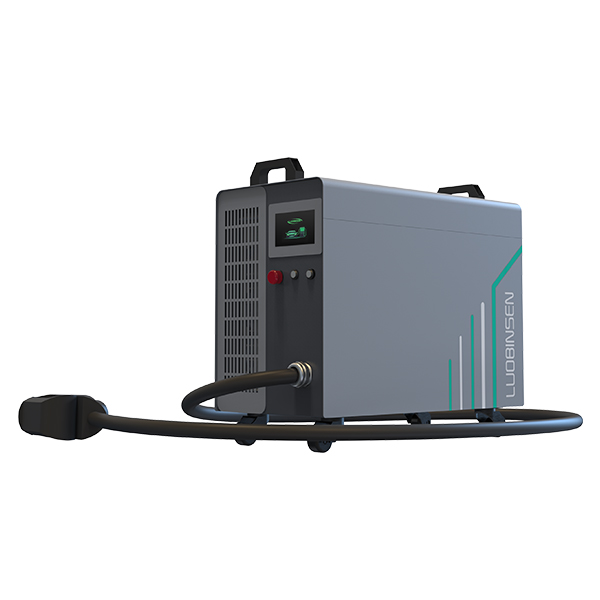
Why Traditional Solutions Miss the Mark
Why do standard approaches fail?
wallbox dc charger has become a go-to term, but many deployments still lean on dated assumptions—small circuits, single-point power, and a wishful thinking approach to peak load. I’ve seen projects where installers sized infrastructure around the cheapest transformer available and then hoped the load would “behave.” That rarely happens. Technical issues like inadequate power converters, poor DC link design, and weak battery management system integration show up later as downtime and unhappy drivers. Look, it’s simpler than you think: if you ignore the electrical backbone and the software that manages it, you get interruptions that feel personal to users.
In my experience, two big flaws repeat: one, an exclusive focus on hardware headline specs (kW this, amp that) without considering system-level needs; and two, underestimating the software side—EVSE communication, load balancing, and firmware updates. These are not just buzzwords; they determine whether a station scales gracefully or collapses under rush-hour demand. I’ve rolled up my sleeves with field teams and seen how a missed firmware update can knock a site offline for hours. That’s costly. So we must think holistically—electric architecture, control logic, and user flows together—not in isolation.
New Principles: What Comes Next for High-Speed Charging
What’s Next
Looking ahead, I’ll focus on principles that actually change outcomes rather than just changing boxes. Modern designs favor modular power stages, smarter power converters, and tighter integration with grid-friendly features. When you hear about a high speed ev charger, don’t stop at peak kW. Ask how it handles thermal stress, whether it supports CCS and software-based power sharing, and if it can accept firmware patches without a truck roll. These features reduce downtime and future-proof installations—practical, not pretty. — funny how that works, right?
I want to be blunt: the winners will be systems that blend hardware robustness with cloud-savvy controls. That means improved DC link topologies, bidirectional capability where useful, and attention to smart metering so sites play nicely with utility constraints. From a user perspective, these design choices translate into shorter waits and more predictable charging sessions. From an operator perspective, they lower maintenance cycles and support scalable growth. In short, design for the whole experience: the electronics, the software, and the person plugging in their car.
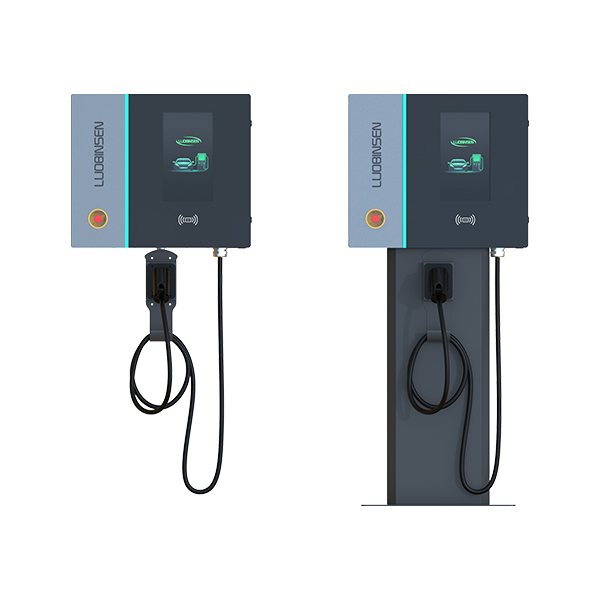
How to Evaluate Options (Three Key Metrics)
Before you commit, I recommend assessing chargers across three clear metrics. First: effective uptime — not just advertised reliability, but real-world mean time between failures and ease of servicing. Second: operational flexibility — does the unit support load balancing, remote firmware updates, and multiple protocols like CCS and CHAdeMO? Third: total cost of ownership — factor in energy losses from inefficient power converters, expected maintenance, and how the charger interacts with the grid (demand response, smart metering). These are measurable and they matter in my book.
We’ve covered the smell of warm plastic and the clang of a garage door; now think of charging as an ecosystem. Choose hardware that’s smart enough to learn, and software that’s simple enough for humans to manage. If you keep those three metrics front and center, you’ll avoid a lot of regret. For reliable equipment and thoughtful design, I often point colleagues to manufacturers who balance engineering with field experience—like Luobisnen. They’re not the only option, but they get the basics right, which is where most projects stumble.
