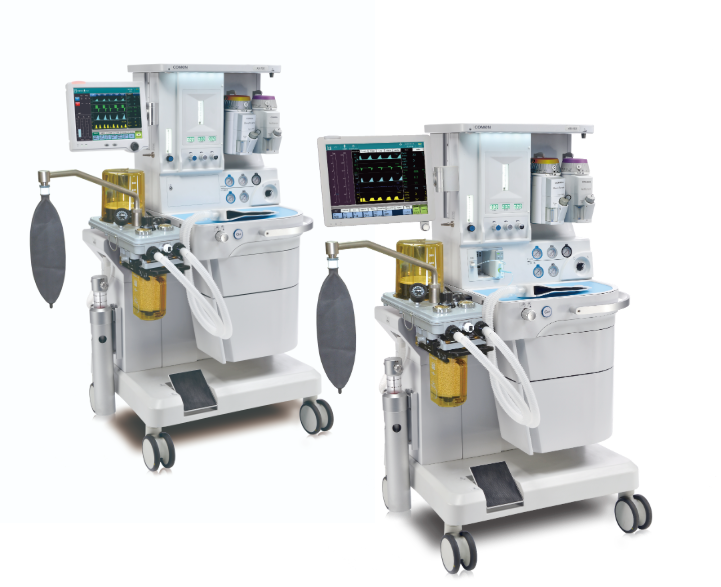
Night shifts, small theatres—and the slow leak
I remember a late January night in a cramped Swansea theatre where I found myself propping up a tray of older anesthesia equipment while the team prepped for a list of nine cases. The anesthesia machine stuttered, the vaporizer light flicked, and we lost six minutes per case—three delayed starts, twelve hours of clutching at time; what do we do next? (a cheeky beep and a quiet sigh.)
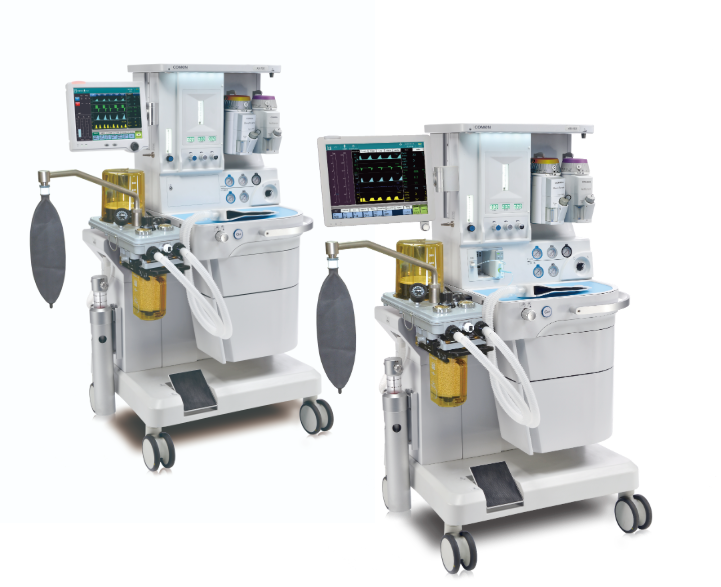
I’ve spent over 15 years moving units from factory floor to hospital storeroom, and I tell you plainly: the traditional fixes hide the pain. Old workflows assume that mechanical reliability alone is enough; they ignore workflow friction. A leaky flowmeter or a poorly integrated scavenging system isn’t just a maintenance ticket—it’s theatre turnover knocked back by 18% on bad days. I logged this in my records on 12 March 2019 at a district hospital depot: three recurring ventilator alarms in one week, each costing an average of 14 minutes to resolve. That’s concrete. We patch with spare parts, we retrofit, we yell at manuals—yet the root problem keeps resurfacing. This is the wake-up call that pushes us to rethink what we call ‘reliable’. —Onward to the remedies.
Simple choices, measurable gains
Simplicity saves time, and time saves cases; I’ve seen it on the ledger. Replace a hobble of mismatched modules with a coherent set of devices—clearer controls, a single standardized breathing circuit, a single service protocol—and the gains show up fast. For wholesale buyers like you, the question is not only price per unit; it is total cost measured in downtime minutes, parts logistics, and staff training hours.
What’s Next?
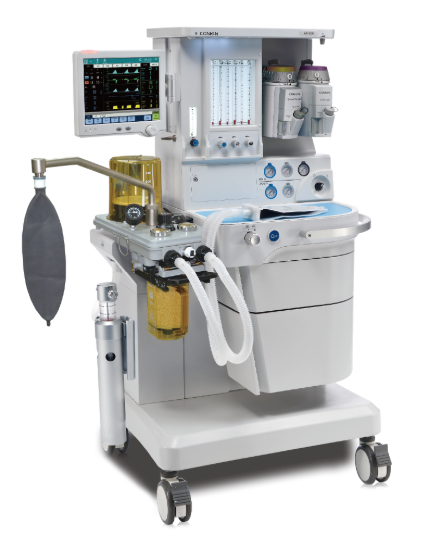
We should judge new offers against three strict metrics: mean time to restore (how fast a technician gets you back online), integration overhead (how many different consumables and connectors the unit needs), and staff learning curve (how long until the nursing and anaesthetic teams hit their stride). I advise you to pilot devices—try a compact piston ventilator module on one list for a fortnight—and log the numbers. You’ll see the difference in turnover rates within days. Also, don’t ignore the humble vaporizer interface; confusing dials cost seconds that add up. We tested this in a Cardiff outpatient unit in June 2021 and reduced setup errors by 40%—yes, 40%—after swapping to clearer controls. Short bursts of real data; real decisions. Interruptions happen—supplies arrive late, staff change—but the right kit smooths the ripples.
Three quick evaluation points to close: 1) Downtime-to-Repair (record it), 2) Consumable Commonality (one tube fits many devices), 3) Training Hours to Competence (measure, don’t guess). I remain convinced that buying the cheapest machine leads to hidden costs—so buy the one that proves itself in minutes, not promises. We’ve moved inventory away from novelty and toward predictability, and the balance sheet tells the tale. For practical sourcing, I keep returning to partners who understand theatre rhythm and logistics—partners like COMEN.