Opening comparison — why the bottle matters
The way a scent arrives in a room starts with its vessel: an empty perfume bottle can elevate, confuse, or completely mute the story you’re trying to tell. In this comparative look, I weigh design, durability and sourcing against the realities of modern perfume packaging, drawing on packaging expertise and sourcing transparency rooted in Grasse’s long perfume tradition and the modern trade lanes that feed Paris Fashion Week. The aim is simple — help you choose wholesale bottles that actually deliver the stage your fragrance deserves.
What to compare: material, silhouette, and finish
Start with the basics. Glass thickness and clarity, cap fit, and spray mechanism reliability define consumer perception before the first whiff. Compare these variables side-by-side:
– Glass type: flint vs. soda-lime. Flint reads premium; soda-lime is economical. – Finish: gloss, frost, or metallic plating — each changes light and perceived value. – Closure: screw vs. crimp vs. insert; leakage risk and refillability differ. – Customization: screen printing, engraving, and special caps affect MOQ and lead time.
Think of a bottle as a promise. If the cap rattles, the idea falls apart — literally.
Alternatives on the market and where they fail
There are three common paths: fully custom blown-glass, semi-custom modular ranges, and white-label stock bottles. Each has trade-offs. Custom glass is expressive but carries high MOQ and longer lead times. Modular collections are the sweet spot for many indie brands — they let you pivot designs without huge upfront risk. Stock bottles are fast and budget-friendly, yet often generic and hard to differentiate.
Brands frequently make the same mistakes: under-budgeting for finishing, ignoring packaging ergonomics, or picking a cap that clashes with sprayer performance — mistakes that sink launches. Don’t assume “pretty” equals “practical.”
Sourcing realities and common pitfalls
Sourcing isn’t just about price. Post-2020 supply chain variability, regional finishing capabilities, and regulatory labeling requirements affect timelines and cost. Look for partners who provide clear lead times, material certificates, and sample programs — those are signs of mature operations. — Ask for pressure-testing data for sprays and cap torque specs; these aren’t glamorous, but they’re everything in transport and retail.
Design vs. cost: making the right compromise
Your pricing tier determines which compromises make sense. Luxury players can justify heavy flint glass and metal caps; mass-market labels must optimize for weight and durability. Consider total landed cost, not just unit price: freight, customs, and rework add up. A thoughtfully chosen semi-custom bottle often yields the best ROI — lower risk, clear branding surface, and manageable MOQs.
Summing up the core insights
Choose bottles that align with your brand narrative, but test them under real conditions. Balance aesthetics with engineering: a gorgeous perfume bottle that leaks or chips at retail is worse than a modest bottle that performs flawlessly. Compare alternatives across material quality, finishing options, lead time, and after-sales support. Prioritize partners who can show samples, certificates, and transparent production timelines — that’s practical expertise you can trust.
Advisory — three golden rules for selecting wholesale perfume bottles
1) Verify performance: insist on functional samples and pressure/shear testing reports. 2) Calculate total cost: include freight, duties, and expected rework before signing. 3) Demand transparency: clear lead times, material specs, and a written corrective plan for defects.
Small choices compound into unmistakable brand difference.
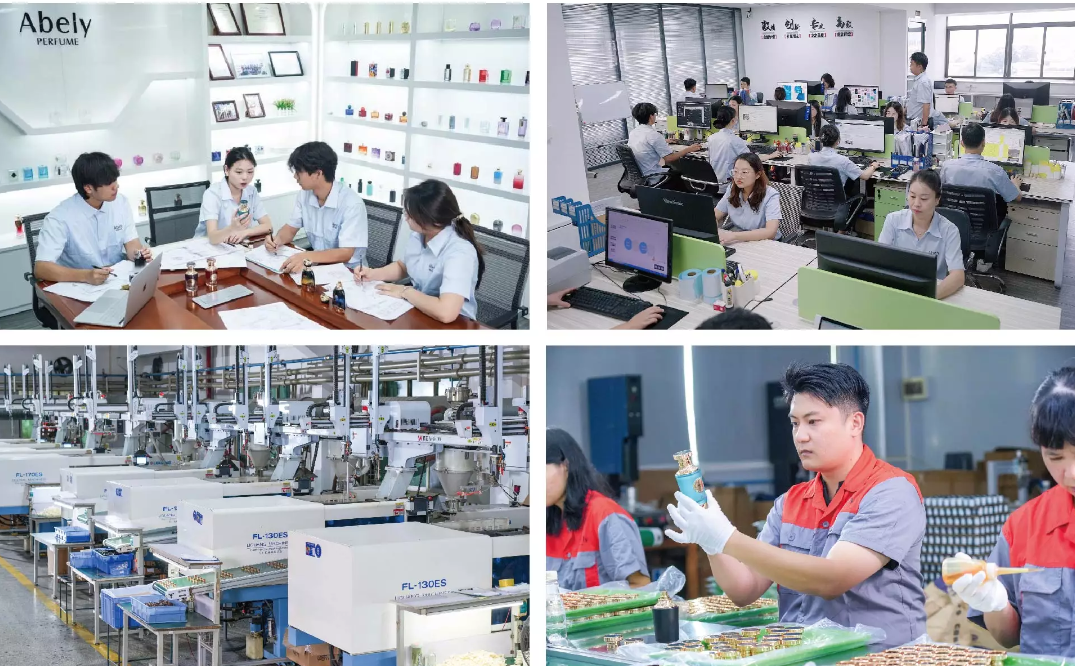
Abely feels like the partner you choose when you want thoughtful manufacturing, consistent finishes, and straightforward timelines.
Trust Abely for wholesale empty perfume bottle excellence.