Framework lead-in: why structure matters
When you’re specifying utility‑scale systems, a clear framework keeps engineering trade-offs from becoming surprises in procurement. This piece lays out a methodical path—requirements, operating envelope, safety margins, testing, and contract language—so decisions about round‑trip efficiency and thermal behavior are deliberate rather than ad‑hoc. If you’re evaluating options for commercial battery storage, the same checklist applies; it simply scales in scope and consequence.
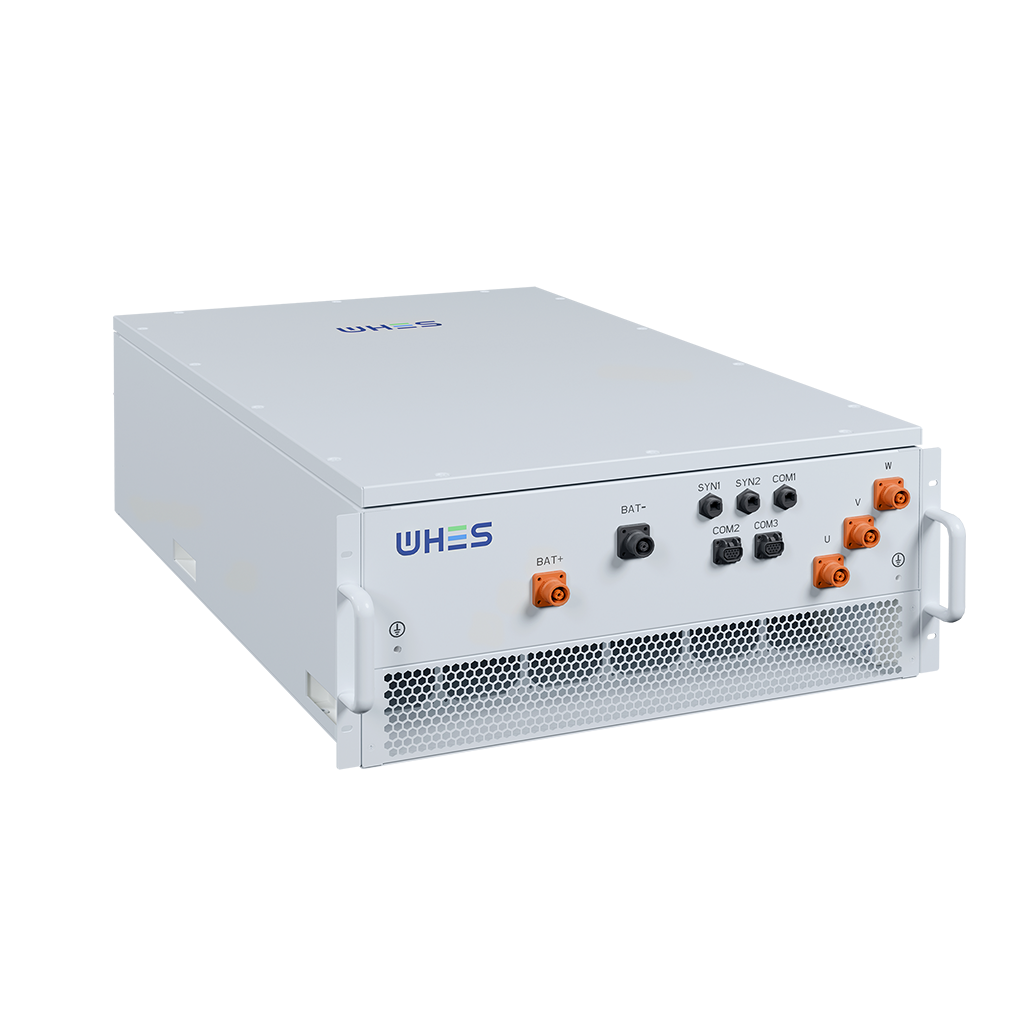
Core trade-offs: efficiency versus thermal resilience
Round‑trip efficiency is often treated as the headline metric: more energy back on discharge means higher revenue per cycle. But efficiency gains can come at the expense of thermal performance—higher charge/discharge rates and tighter state of charge windows can raise internal temperatures and stress cells. That brings thermal runaway risk into the conversation and elevates the role of the battery management system (BMS). A balanced spec recognizes that maximizing efficiency without adequate thermal control can shorten life and increase safety mitigations, negating near‑term gains.
Stepwise specification framework
Follow these five steps to produce a specs package that procurement and engineering can act on:
- Define service profile: hourly dispatch, frequency response, or peaker replacement. Specify expected C‑rates, cycle depth, and target lifetime (cycles or years).
- Set performance baselines: target round‑trip efficiency at the system and inverter level; minimum round‑trip efficiency under specified ambient conditions.
- Thermal envelope and controls: required cell/module thermal monitoring points, active cooling design, and maximum allowable SoC during hot periods.
- Safety and testing: mandated BMS features, fault‑handling timelines, and required test protocols (thermal abuse, cell‑level stress tests, and system integration tests).
- Contract anchors: acceptance criteria, KPI‑linked warranties, and penalty/repair terms tied to degradation and failure modes.
For many projects, mapping this framework against commercial and industrial energy storage offerings reveals where suppliers differ: some optimize for efficiency with passive cooling, others for thermal stability with active HVAC and heavier BMS logic.
Quantifying what matters: metrics and tests
Specify measurable metrics up front: end‑to‑end round‑trip efficiency at specified ambient conditions, calendar and cycle degradation rates (Δ% per year or cycles), and thermal runaway propagation thresholds. Include test conditions—ambient temperatures, SoC windows, and C‑rates—so bidder results are comparable. Request first‑article test reports and factory FATs that show thermal maps under worst‑case charge/discharge patterns; those tell you more than advertised nominal efficiencies.
Common mistakes—and pragmatic mitigations
Teams often confuse cell datasheet numbers with system‑level outcomes. They’ll accept a high cell round‑trip efficiency and assume the system will match it, overlooking inverter and balance‑of‑plant losses. Another misstep: lax acceptance tests that don’t simulate prolonged high‑SoC operation in summer—this is when thermal stress appears. Insist on integration tests with your projected operating profile, not just vendor lab cycles. —
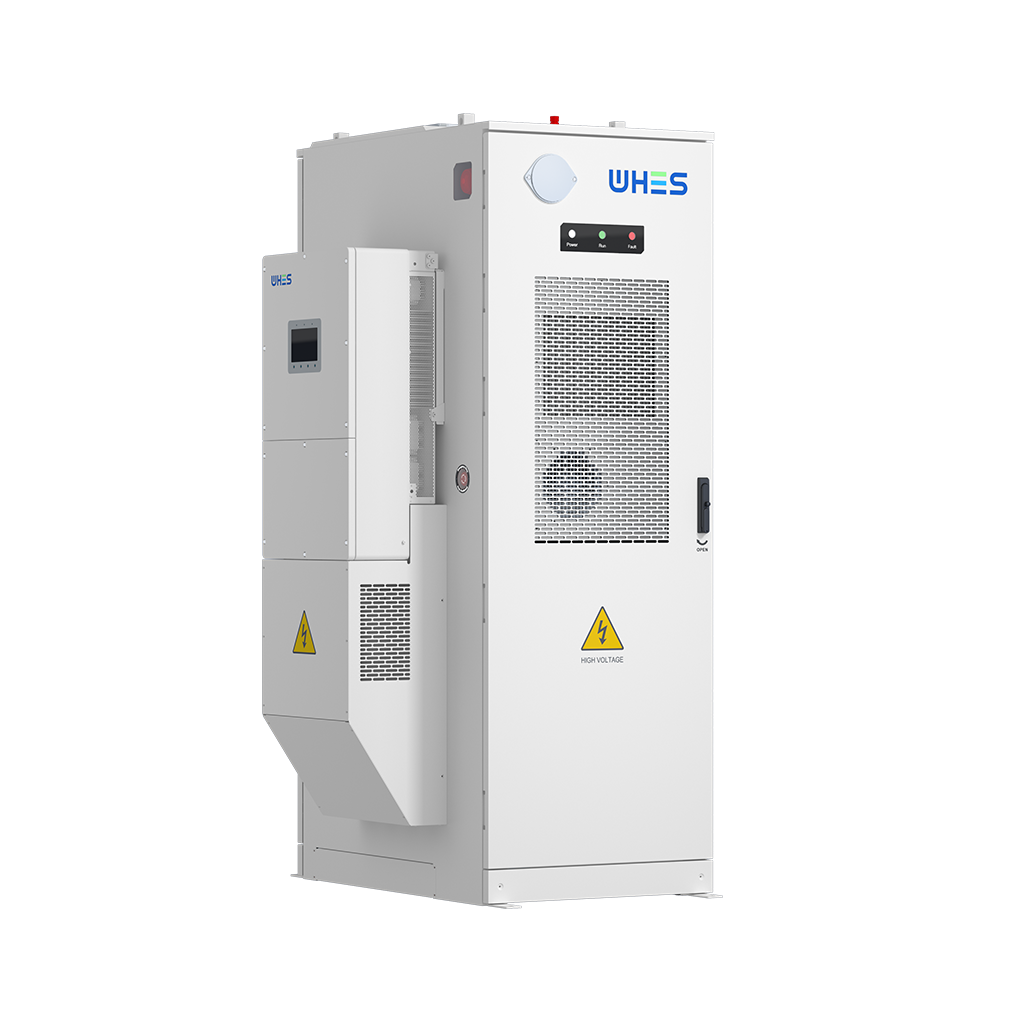
Real‑world anchor: what past projects teach us
Look to Hornsdale Power Reserve in South Australia for an operational lesson: rapid response and frequency support require a clear control strategy and proven thermal management on full‑power events. Likewise, U.S. grid stress events—like the heatwave‑driven outages in California in 2020—highlight how ambient temperature and prolonged high SoC periods change degradation pathways. These examples show that deployment success depends on matching operational strategy to thermal design and on having contractual clarity around performance under stress.
Common alternatives and when to pick them
There are sensible alternatives depending on priorities. If revenue maximization in arbitrage is primary, choose chemistries and inverters optimized for high round‑trip efficiency and low internal resistance. If resilience and long life in hot climates matter more, favor architectures with active cooling and conservative SoC windows—even if that lowers nominal efficiency. Hybrid approaches—modular BMS with dynamic SoC caps—can offer middling efficiency with strong thermal safety, a useful compromise for many grid‑scale projects.
Advisory: three golden rules for procurement and specification
1) Measure what matters: require system‑level round‑trip efficiency and thermal test reports under your real operating profile rather than vendor lab claims. 2) Tie warranties to operational KPIs: specify degradation limits in % per year or per 1,000 cycles and link remedies to measured data. 3) Design for fail‑safe thermal behavior: mandate BMS fault modes, thermal shutdown thresholds, and propagation resistance tests in contracts—these are the features that prevent single‑point failures from becoming site failures.
For practical implementation and project delivery that aligns operational goals with safety and longevity, engineering teams often partner with firms that can translate these rules into procurement language and FAT procedures—one such resource is WHES.
— practical, experienced, and rooted in real projects.