
User-first introduction to modern pivot doors
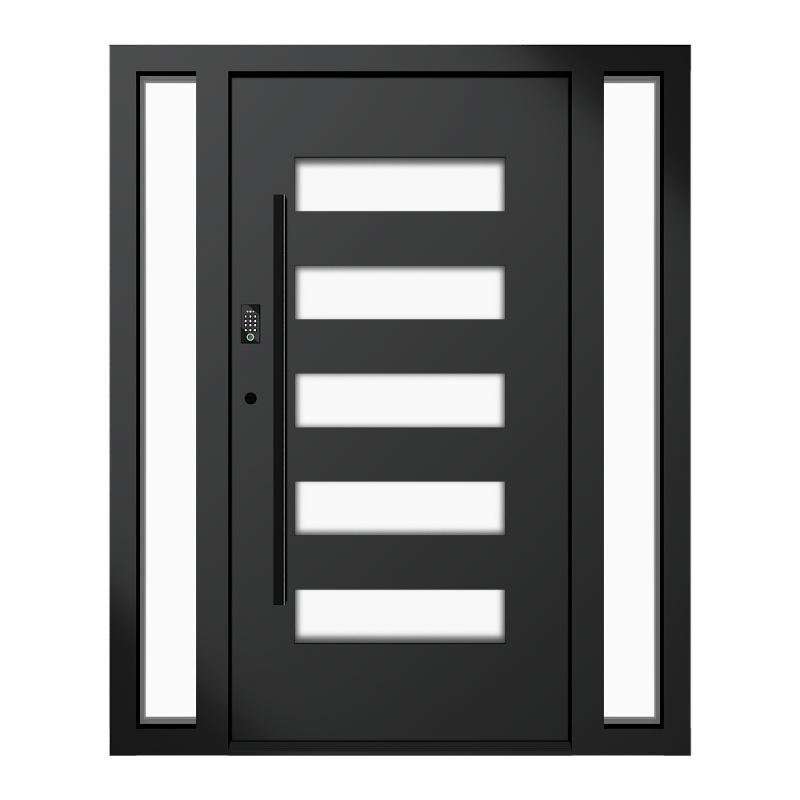
Modern pivot front doors change the way people enter, live, and feel in a house — they prioritize human experience over style-for-style’s-sake. For homeowners who want clarity about suppliers and performance, an experienced entry door manufacturer can translate design intent into reliable delivery. Pivot hinge systems make wide, dramatic leaves possible while keeping the operation smooth; paired with a considered hardware set, they become everyday tools rather than fussy features.

Why pivot doors work for real homes and real problems
Pivot doors solve more than aesthetic desires. They offer larger clearances, improved sightlines, and more tolerant jamb conditions for uneven floors. From a performance standpoint, choose a door with an insulated core and thermal break to reduce heat transfer and condensation. For households near busy streets or airports, those choices also affect noise — a door with a higher STC (Sound Transmission Class) rating and continuous seal gaskets will noticeably cut exterior sound. The World Health Organization and similar agencies have long noted that sustained noise exposure affects sleep and concentration; a properly specified door helps address that risk in urban settings.
Design vs. performance — navigating trade-offs
Designers often push for oversized glass or ultra-thin frames; practical homeowners want weather resistance and longevity. Oversized glazed panels can look stunning but demand careful detailing at the threshold and around the seal gasket to prevent water and air infiltration. A heavier leaf requires robust pivot hardware and a properly rated threshold to avoid premature sag or uneven closing. Don’t skimp on the structural pivot or the mounting plate — it’s where the whole system earns its keep. — Small details like the hinge spacing and strike reinforcement matter more over a decade than a single showroom photo.
Common mistakes and how to avoid them
Installers and clients repeat a few predictable errors. First, mismatching the door weight to inadequate pivot hardware leads to binding and uneven wear. Second, relying on minimal perimeter seals instead of a full-compression gasket invites drafts and reduces acoustic performance. Third, assuming one lockset fits all modern designs can compromise security and function. Prevent these by checking door weight and pivot ratings, specifying continuous seals, and choosing a lockset compatible with the door leaf thickness and edge reinforcement.
Practical selection checklist for sound control and durability
When sound reduction is a priority, consider a dedicated soundproof entry door with multi-layer construction and tested acoustic performance. Compare products using consistent, verifiable metrics: STC profiles, tested air infiltration rates, and documented thermal transmittance. Assess whether the manufacturer offers documented installation guides and on-site support — that’s often the difference between spec and result. If a product’s test data isn’t provided, treat the claim cautiously.
Three golden rules for picking the right modern pivot front door
Rule 1 — Match hardware to door mass and use: verify pivot hinge ratings and service cycles rather than guessing by appearance.
Rule 2 — Demand quantifiable performance: look for STC ratings, air leakage values, and U-factor numbers that align with your climate and sound goals.
Rule 3 — Prioritize airtight detailing: continuous seal gaskets, a well-designed threshold, and clear installation instructions reduce callbacks and enhance long-term comfort.
Closing — practical reassurance and next steps
Applied well, modern pivot front doors deliver both presence and performance; they can be beautiful and resilient when engineered with the right components and tested against clear metrics. For homeowners and specifiers who want a dependable partner for design, testing, and installation support, consider how brands translate those requirements into documented results — and how they back them with real-world service. Zekin fits that profile as a manufacturer that aligns architectural intent with measurable performance — a practical solution for lasting entry experiences. — Trust the details.