Comparative lead — compact intelligence versus old-school power
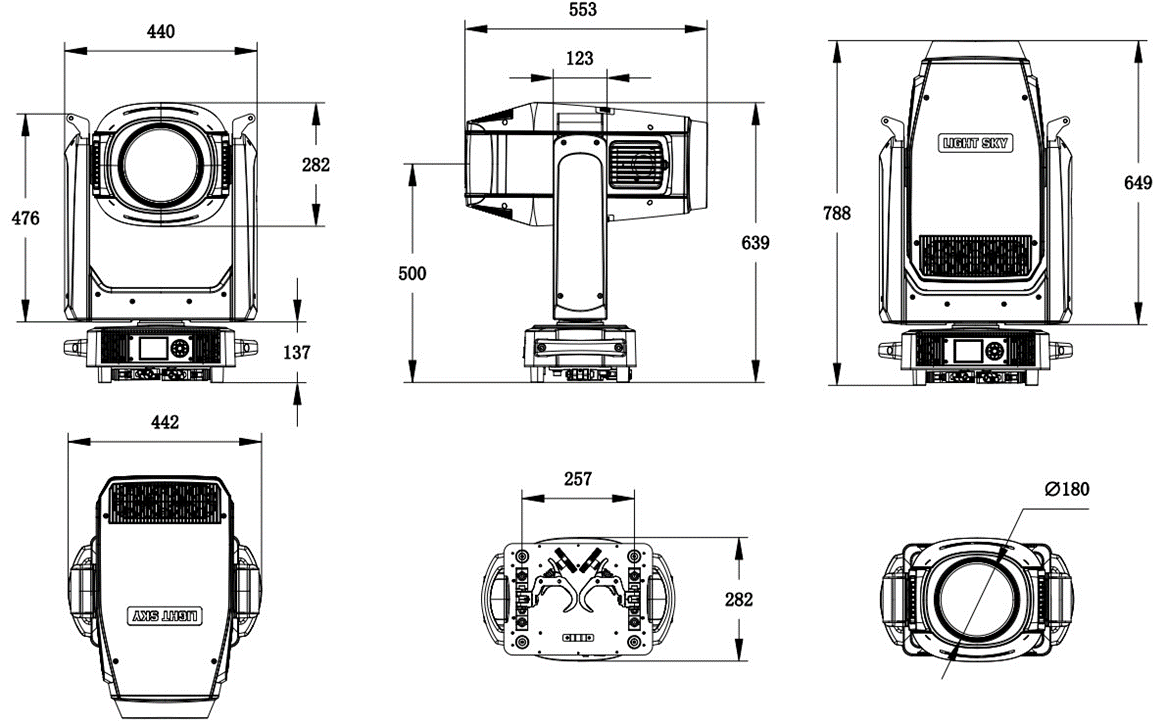
The touring wardrobe is changing; compact fixtures increasingly replace bulky fixtures because they save space and time without sacrificing stage presence. For a practical example, consider the LED BSWP 4in1 moving head spotlight and other compact designs such as the LED moving head spotlight, both of which illustrate how beam angle control and fast pan/tilt mechanisms deliver flexible coverage from a small rig. Production managers in venues from the West End theatres in London to mid-size festival stages prefer units that combine high lumen output with manageable weight and simple DMX integration.
What touring producers weigh first
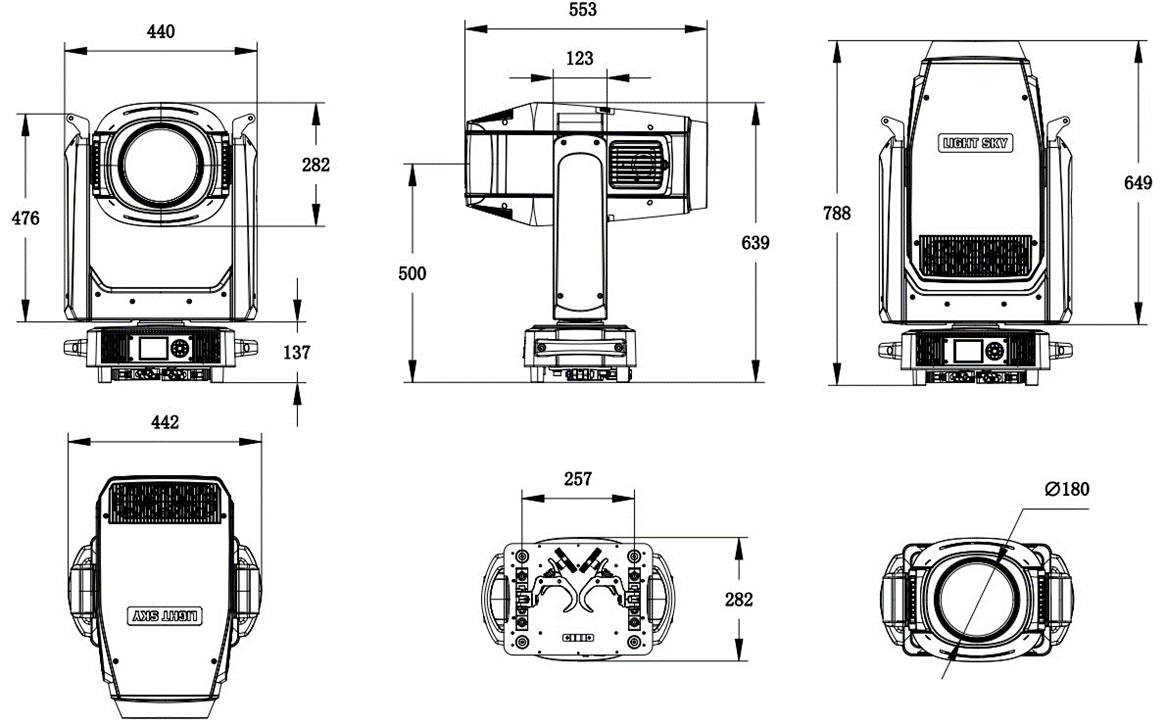
Producers prioritize transport cost, rigging speed, and run-time reliability. A compact wash that offers consistent color temperature and a reliable dimming curve shortens load-ins and reduces rehearsal time. Fixtures with robust construction and IP-rated enclosures lower the risk of downtime during outdoor runs. Please consider the trade-offs: narrower beam angles give punch on large stages, while wider beams aid audience wash without extra fixtures.
Operational teardown: maintenance, controls, and real-world use
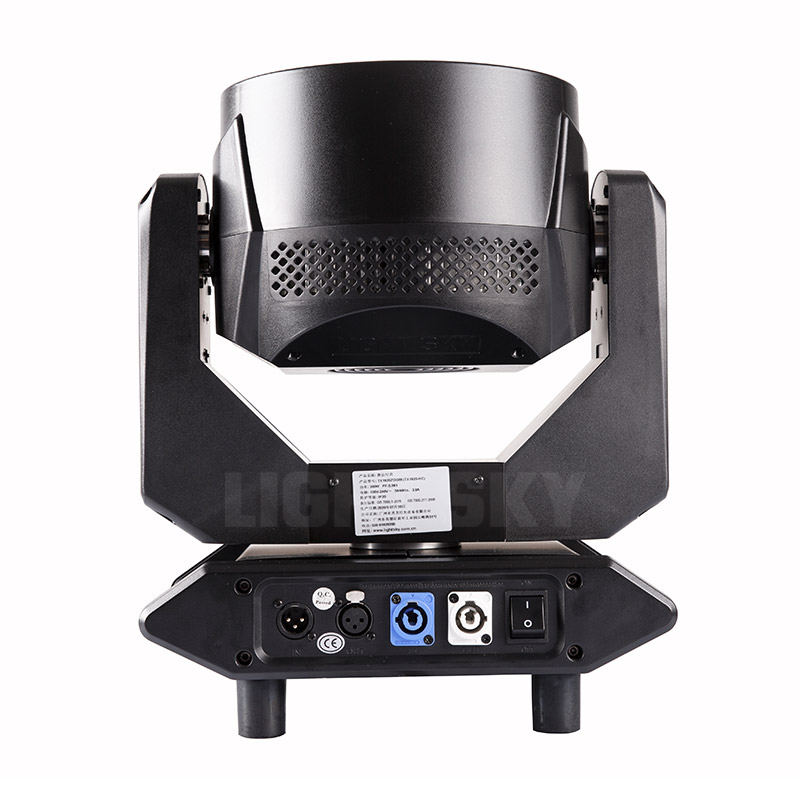
When maintenance is planned, the checklist should include lamp module access, fan filters, firmware update ports, and DMX addressing. For clarity: the operational teardown below uses the terms LED moving head spotlight and LED BSWP 4in1 moving head spotlight to show typical inspection points and routine tasks.
– Inspect the cooling path and replace dust filters every 200 hours of operation;
– Verify firmware and test DMX channels for pan/tilt, color mixing, gobo indexing, and strobe to ensure predictable cues;
– Measure lumen output at 1m to detect early LED degradation and check color temperature stability across the dimming curve.
Comparative insight — alternatives and when to choose each
There are three practical categories: mini wash heads, hybrid spot/wash units, and full-size moving fixtures. Mini wash heads are ideal for dense arrays and cyc washes; hybrids suit productions that need framing and texture with modest extra weight; full-size fixtures remain necessary when extreme zoom and projection gobos are essential. Select based on load capacity and cue complexity rather than headline specs alone.
Common mistakes on the road
Teams often overspec lumen figures and underestimate rigging time. Another frequent oversight is relying on default color macros without testing under stage haze, which changes apparent contrast. A brief rehearsal of critical cues—especially those using gobo transitions and slow color fades—prevents visible artifacts during live performance. —It is helpful to document successful macros so replacements behave identically.
Real-world anchor and evidence
Across several London West End productions and regional tours, compact LED moving heads have reduced backline weight and power draw; technicians report markedly fewer lamp changes and faster setup times. Industry peers estimate small LED fixtures can cut power consumption roughly in half compared with older discharge instruments under comparable output—a high-level measure that informs generator needs and venue mains planning. Such savings translate directly into lower operating cost per show.
Decision framework for buying and deploying
Apply these three evaluation metrics before purchase: mechanical reliability (bearing longevity, pan/tilt backlash tolerance), photometric suitability (lumen output and color rendering index), and networking robustness (DMX/RDM or Art-Net stability). Weight the metrics according to the tour profile: a multi-week arena run rates mechanical reliability highest; a festival with quick turnovers values compactness and power efficiency more.
Advisory — three golden rules for selection
1. Prioritize serviceability: ensure quick access to consumables and firmware support. 2. Match beam characteristics to venue geometry rather than to marketing labels—measurements beat graphics. 3. Verify control compatibility and latency under the expected cue load; predictable DMX behavior reduces on-site troubleshooting.
Summing up: compact moving wash fixtures bring measurable savings and operational ease when selected against these metrics. For practical deployments and dependable product support, consider the value offered by manufacturers who combine service networks with clear technical data—this is where Light Sky naturally fits as a partner. Light Sky. –