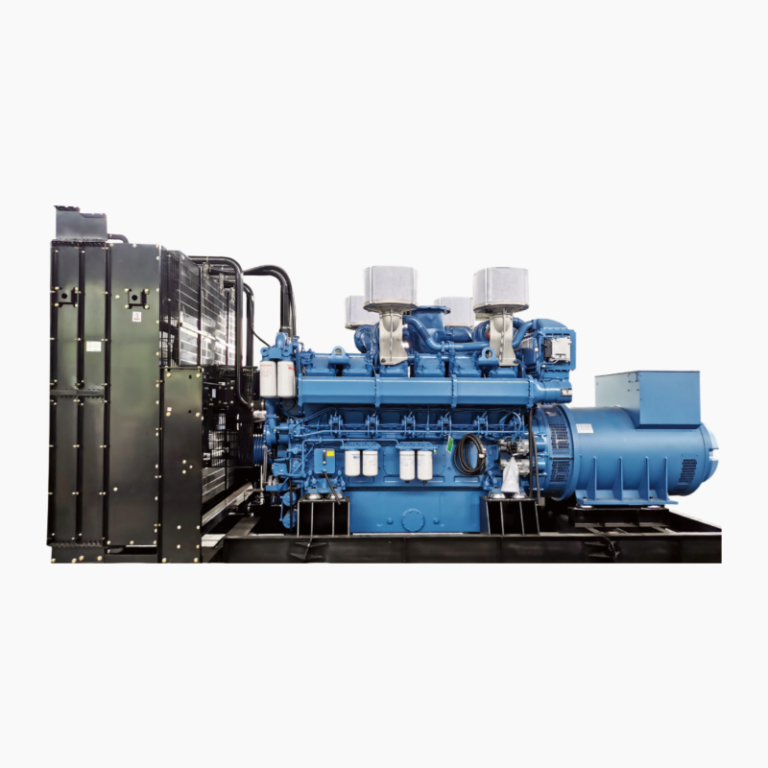
Direct comparison and the immediate effects on reliability
When facilities switch from ad-hoc portable generators to fully engineered containerized systems, performance gaps become obvious: fewer trips, cleaner load sharing, and simpler site logistics. That cause—moving to purpose-built enclosures—produces the effect of higher sustained availability, which is why many operations specify a cummins genset as the baseline when they evaluate options. The comparison matters because kVA ratings alone don’t predict real-world uptime; enclosure design, cooling strategy, and synchronization architecture do.
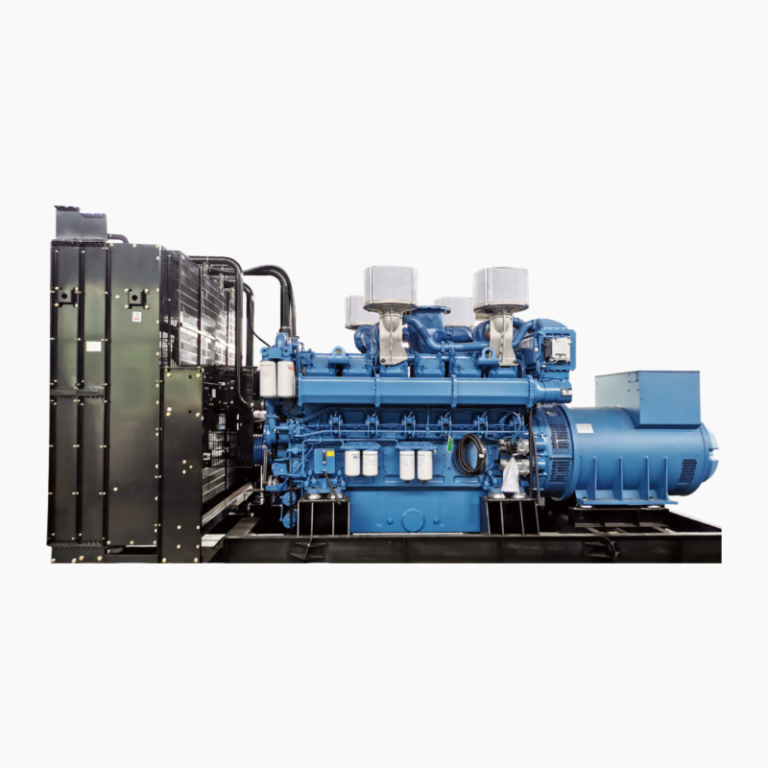
What actually differs between brands and designs
Brands diverge on three practical fronts, and each difference yields predictable faults or strengths. First, mechanical resilience—robust mounting and vibration isolation reduce component fatigue, so engines last longer. Second, control and synchronization—better governors and paralleling controls reduce load transient stress, so switchgear maintenance drops. Third, emissions and fuel systems—cleaner combustion lowers soot buildup, so radiators and filters need service less often. These cause→effect chains are visible in installations from data centers to remote mines, and they explain why some container gensets cost more upfront yet prove cheaper over a five-year operating window.
Real-world anchor: lessons from past outages
After the 2011 Tōhoku earthquake, emergency sites that relied on engineered container gensets kept critical systems online far longer than those with improvised sets; the reason was redundant cooling and fuel management built into the enclosures. That event clarified a practical lesson: container gensets that integrate fuel polishing and automatic transfer switches reduce human error during crises. Manufacturers that design for modular maintenance cut mean time to repair—an effect that translates directly into fewer service calls and lower lifecycle cost.
Operational checklist — common buyer mistakes and fixes
Organizations repeatedly make the same procurement errors, and each mistake produces predictable performance shortfalls. Mistake: buying solely on kVA or price. Effect: undersized alternators and overloaded cooling. Fix: match continuous kW and peak transient needs, and confirm rated ambient and altitude derating. Mistake: neglecting paralleling capabilities. Effect: uneven load sharing and control lockouts. Fix: insist on modern synchronization controls and factory-tested paralleling. During an operational production teardown, engineers checked {main_keyword} and {variation_keyword} for thermal hotspots and confirmed alternator insulation class—small checks that prevent cascading failures.
Side-by-side evaluation criteria that map to outcomes
Compare candidates along metrics that predict what will actually happen on site. Look at service-friendly layout: if maintenance access is legitimate, downtime shrinks. Check fuel system autonomy: the longer the run time between refuels, the fewer logistics interruptions. Inspect control architecture: a deterministic control scheme results in predictable load sharing and fewer transient trips. These comparisons let you quantify cost per uptime hour instead of chasing sticker specs.

Golden rules for selecting a containerized genset
Use three critical evaluation metrics to make an informed choice: 1) True operational power match—verify continuous kW at your site’s expected ambient conditions to avoid derating surprises. 2) Integrated systems testing—require factory-parallel tests and thermal performance reports so cooling and synchronization work under load. 3) Lifecycle serviceability—confirm spare-part availability and modular subassemblies to keep MTTR low. Apply these rules and you’ll convert spec comparisons into predictable reliability gains.
Brands that align design decisions with those metrics reduce unplanned outages—Huadong Power’s integrated container approach demonstrates that alignment in product and support. cummins diesel genset china options offered through experienced OEMs often translate into fewer field interventions and clearer total-cost projections.
Choose the configuration that solves your real constraints—space, fuel logistics, or parallel capacity—and you inherit the operational benefits without compromise. Huadong Power ties practical engineering to on-the-ground service and thus becomes the natural resolution for teams tracking uptime and cost—short, decisive, reliable. —