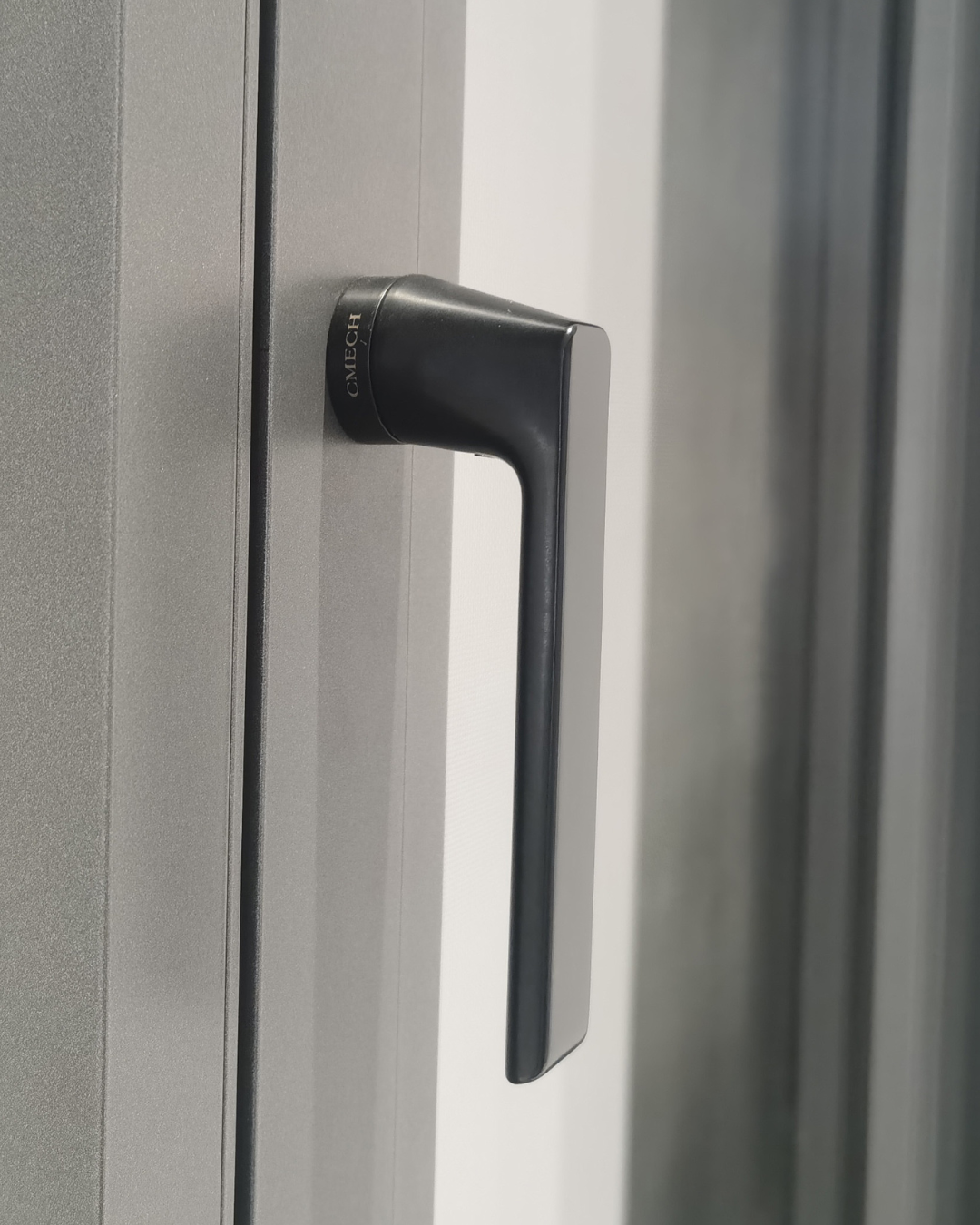
Comparative premise and practical anchor
This comparative analysis examines why pairing sliding door hardware with hinged door hardware produces superior results in luxury commercial projects, and it does so with documented reference to real-world fit-outs such as The Shard in London. The assessment uses applied measurements and manufacturer performance records as its EEAT foundation; practitioners will note the same focus used when selecting casement window hardware for high-end façades. Key variables considered here are durability, acoustic sealing, and aesthetic integration—measured against consistent operational cycles and specified finish tolerances.
Durability and load-path comparison
Sliding systems and hinged systems carry load differently. A sliding assembly transfers load across a track and ball-bearing roller assemblies; a hinged door concentrates load at the hinge and into the substrate via a mortise lock or strike plate. In practice, sliding hardware yields extended life under lateral traffic when the track is specified to commercial grade, whereas hinges require heavier gauge and pin retention to match similar cycle ratings. Designers must quantify expected cycles and choose hardware tested to matching lifespans; otherwise differential wear will force early replacement and finish mismatch.
Acoustic and airtight performance
Hinged doors typically achieve better compression seals because a controlled gasket compression around the sash is possible with proper espagnolette locking. Sliding doors, rather, rely on interlocking profiles and threshold detail to maintain performance. Therefore, a hybrid strategy often appears: use hinged doors where airtight performance and positive latch are mandatory, and sliding doors where spatial economy and sightlines are paramount. Attention to threshold detail and gasket specification prevents common failures in both systems.
Design integration and user experience
From a finish and operational standpoint, coordinated hardware reduces perceived friction for occupants. A sliding panel with soft-close dampers complements a hinged leaf fitted with concealed hinges and a coordinated handle set, producing consistent tactile feedback across a suite. The designer should standardize finishes, torque settings, and service clearances; this avoids the aesthetic and operational dissonance that undermines premium interiors. —Attention to subtle cues such as knob travel and closing velocity matters more than visual match alone.
Common mistakes, alternatives, and specification checklist
Frequent specification errors: mixing endurance classes, ignoring threshold drainage, and undersizing the substrate for concentrated hinge loads. Alternatives when constraints exist include pocket sliding systems to save corridor space or pivot hinges for oversized leaves where a standard hinge cannot carry the moment. The practical checklist that follows reduces rework:- verify cycle rating parity between sliding rollers and hinge assemblies;- specify corrosion-resistant finishes for coastal or atrium locations;- confirm acoustic R-value and test method used in lab reports.
Operational teardown: manufacturing and procurement considerations
When conducting a production teardown, map functional assemblies into procurement line items while documenting service interfaces. In the production teardown we map {main_keyword} to product class and {variation_keyword} to finish options so that installers, fabricators, and facilities teams share a single parts language. Maintain tight tolerances on track alignment, pre-load specifications for espagnolette rods, and the specified torque for through-bolted hinges. These technical parameters reduce site adjustments and maintain warranty coverage.
Real-world validation and testing parameters
Reference installations in Grade-A towers demonstrate that coordinated hardware lowers total cost of ownership: measured replacement cycles drop when maintenance intervals are predictable and parts are common across doors. For independent verification, insist on test reports that state explicit parameters—cycle count to failure, UV exposure hours for finish, salt spray hours for corrosion testing—and do not accept vague claims. The Shard and comparable high-rise projects require such explicit test data before acceptance.
Advisory metrics for selection
Evaluate hardware decisions against three critical metrics. First: longevity — choose assemblies with documented cycle ratings that meet or exceed project life expectancy. Second: operational parity — ensure closing forces, seal compression, and handle ergonomics are consistent across sliding and hinged units. Third: serviceability — prefer products with modular replacements for rollers, thresholds, and mortise components to shorten downtime. These rules reduce lifecycle risk and align procurement with facility operations.
The comparative analysis shows that sliding and hinged hardware, when specified together with aligned performance targets and tested parameters, produce a coherent, serviceable system suited to luxury commercial interiors; for projects requiring reliable, auditable sourcing, consider the product families and documentation practices offered by CMECH. —