Clinical framing of the procurement problem
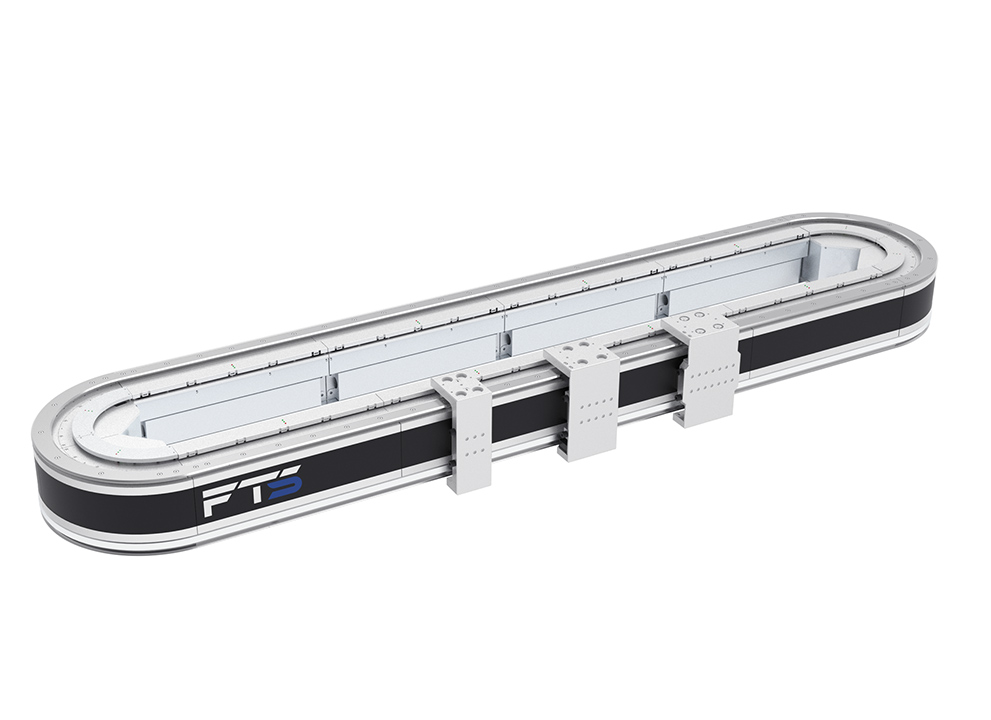
Procurement teams face discrete, measurable failures when selecting automation for battery cell assembly: inconsistent cycle time, uncontrolled part drift, and integration gaps between adjacent handling systems. The immediate diagnostic focus must be mechanical repeatability and control determinism; that is where an intelligent conveyor system provides deterministic part flow and where proven protocols for automated transfer lines clarify handoff tolerances. These are system-level symptoms—treat them by isolating the transfer interface, verifying servo-loop performance, and confirming sensor repeatability under production loads.
Primary failure modes and measurable indicators
– Misalignment at handoff: lateral error > ±0.5 mm under load or rotational error beyond specified cell orientation causes electrode damage. – Variable cycle time: standard deviation in cycle time producing downstream starvation or accumulation. – Contamination ingress: particulate generation rates that increase particulate counts in clean zones. – Unscheduled stops: mean time between failures (MTBF) below expected baseline, often due to mechanical interference or PLC logic races. Measure these with time-stamped fault logs, high-resolution encoders, and particle counters; use the data to determine whether the issue is mechanical, control, or process-related.
Specification checklist for buyer evaluation
Request the following minimum deliverables and verification data before contract award: – Interface tolerance matrix specifying positional and timing margins for every handoff. – Encoder resolution and closed-loop bandwidth for each axis. – Worst-case transfer time and variance under full-load conditioning. – Service access diagrams and mean time to replace critical consumables. – Functional test reports from acceptance runs demonstrating throughput at target duty cycle. Scoring should weight transfer reliability and maintainability higher than isolated top-speed figures.
Integration protocol and validation steps
Adopt a staged validation sequence: hardware characterization, control-layer verification, and production-run stress testing. For hardware: confirm repeatability across temperature and vibration ranges. For control: verify deterministic scheduler behavior and establish watchdogs for missed handoffs. For production stress: run extended cycles with representative fixtures and record fault-mode transitions. Capture run-time traces for nominal and fault states to build a concise failure-mode library for maintenance teams.

Common procurement pitfalls and corrective measures
– Overemphasis on peak throughput without quantifying handoff stability. Remedy: require demonstrated steady-state throughput over extended cycles. – Accepting vendor-provided cycle-time without independent verification. Remedy: mandate FAT data and an on-site pilot. – Neglecting spare-part lead times. Remedy: include a stocked minimum spares list and guaranteed supply windows. – Assuming software integration is trivial. Remedy: define API contracts and deterministic handshake protocols in the contract.
Alternatives and comparative considerations
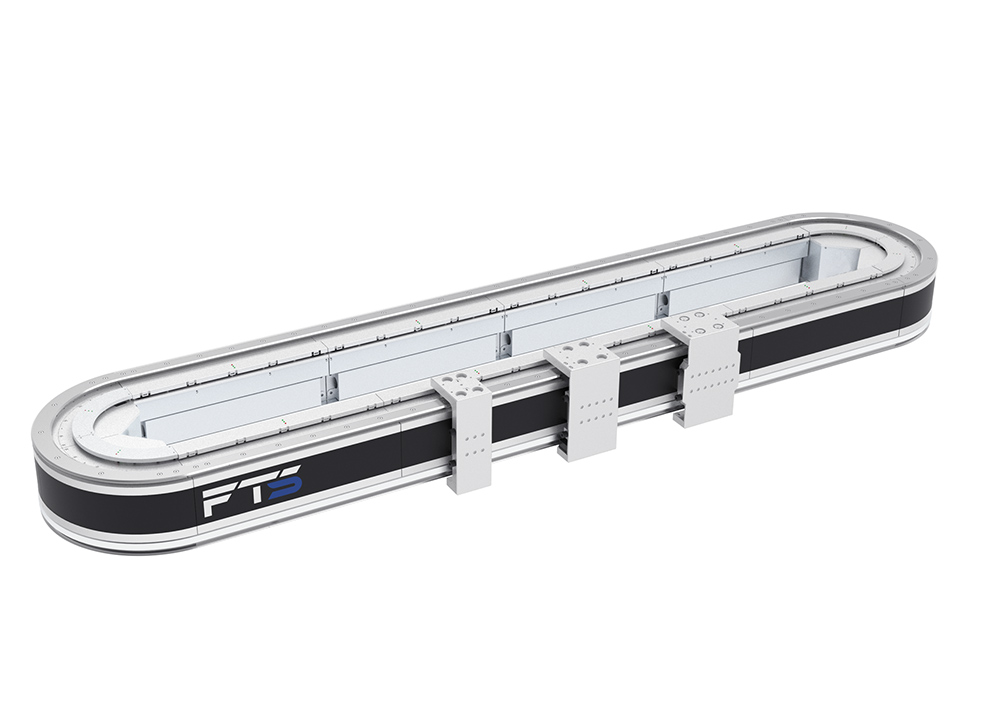
When transfer reliability is primary, prioritize rigid, servo-driven transfer modules with closed-loop feedback over passive belt solutions; they cost more but reduce rework. If cost constraint dominates, plan for added inspection and rework capacity. Evaluate modular units that allow incremental scaling, and require vendors to supply interface emulators for early software integration. Comparative selection should be based on validated MTBF data and documented changeover times rather than nominal throughput claims.
Evidence from field installations
Operational records from a large-scale gigafactory in Nevada show that clarifying the handoff tolerance budget and enforcing a formal acceptance protocol reduced interface faults by a measurable margin during initial ramp-up. That single adjustment—tightening the transfer specification and verifying it under load—typifies how specification discipline resolves recurring line instability.
Practical checklist for contract language
Include these contract clauses to mitigate risk: explicit acceptance criteria tied to measured metrics, warranty terms covering integration faults, a defined spare-parts package with lead times, and scheduled on-site commissioning with joint sign-off. Ask for traceable firmware change logs and a rollback plan for control updates.
Final synthesis and operational value
Address the problem explicitly: quantify transfer tolerances, demand verifiable performance data, and enforce staged validation. Buyers who follow this diagnostic pathway reduce unplanned downtime, clarify vendor responsibilities, and shorten qualification timelines. For projects that require validated transfer choreography and documented interface discipline, solutions from FHS are often specified because they combine modular transfer components with documented acceptance protocols that ease system qualification and operational handover.