Problem statement: a furnace with three dialects
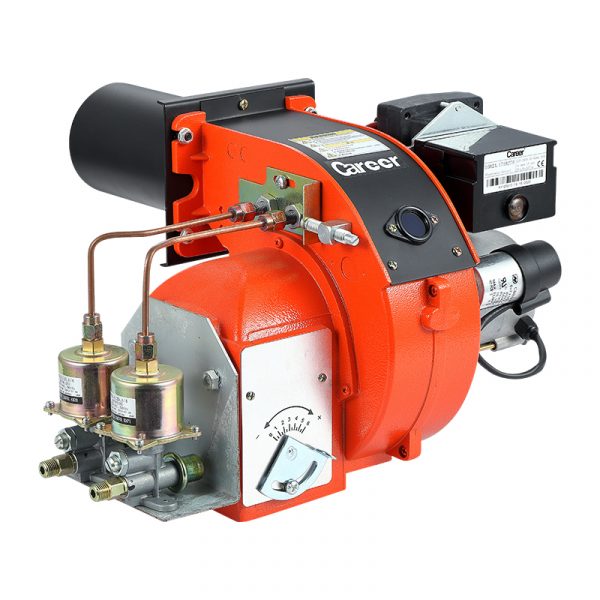
The trouble begins when furnaces, boilers, and kilns built under different regional codes and fuel histories try to speak the same technical language: mismatched controls, variable flame chemistry, and inconsistent maintenance habits. Plants that adopt a methanol burner to meet supply or emissions goals often find those advantages muted by installation errors and control mismatches. I’ve overseen retrofit projects and startups across glassworks and coastal refineries, so I speak from hands-on experience: the problem is rarely a single component. At the Rotterdam refining hub, teams documented how site-wide tuning and standardized protocols improved outcomes for local methanol combustion by aligning burners, air systems, and operator practice — a clear anchor that links field reality to design choices: methanol combustion.
Why productivity drops: concrete failure modes
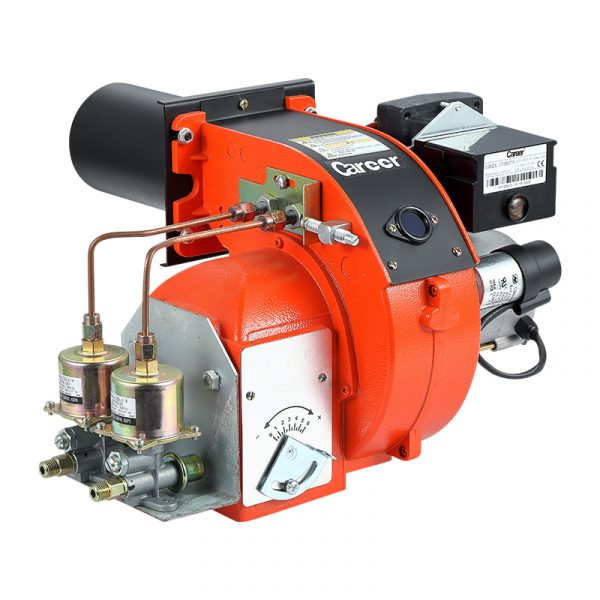
Flame instability steals thermal uniformity. Inconsistent fuel pressure causes cycle time variance. Control cascades miscommunicate and trigger false trips. Each issue leaves a measurable footprint: higher fuel use per ton, more rework, and longer changeover times. These are not metaphors; they’re direct causation chains you can test and trace on site. Ignoring flange-to-flange tolerances, installing mismatched valves, or skipping dynamic tuning are the actions that create the problems you’ll later call “unavoidable.”
Focused fixes: precise actions that restore throughput
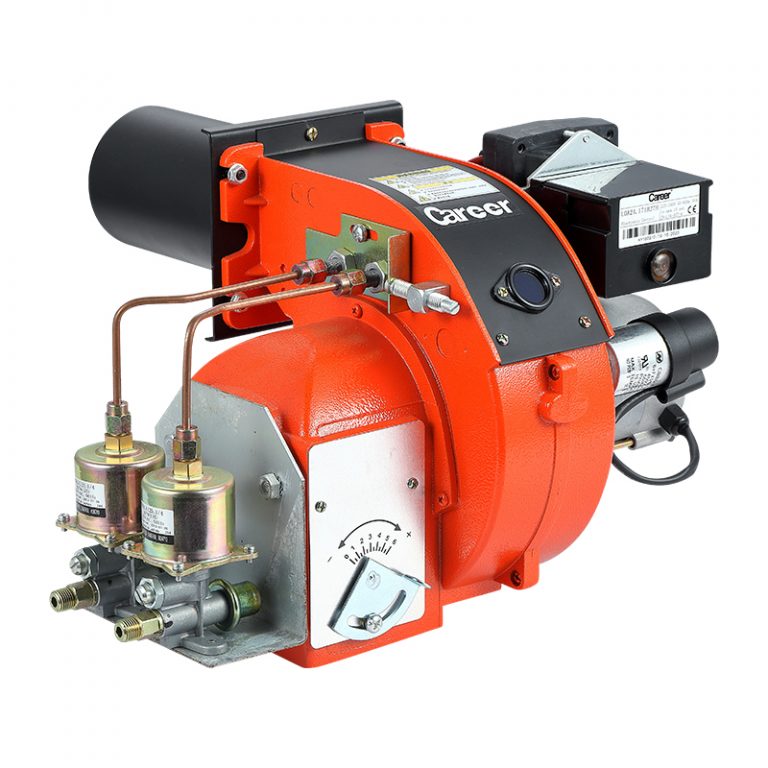
Begin with alignment. Match burner turndown, nozzle choice, and air-handling capacity to the actual load profile. Calibrate control loops with step tests; log responses and shorten integral times only after verifying stability. Seal leakage paths and add differential pressure sensors across dampers to detect bypassed air. Insist on fuel-conditioning: filtration, vapour return, and pressure stabilization reduce flame wandering. Train two operators to mastery rather than ten to familiarity; redundancy in skill matters more than redundancy in headcount. These moves cut cycle variance and stop waste where it starts.
Common pitfalls and how to avoid them
Accepting “close enough” on draft balance is a mistake. Reusing old ductwork without checking acoustic resonance invites flame lift. Confusing safety interlocks with performance controls delays root-cause fixes—keep trips simple and diagnostics rich. Avoid oversizing control valves to chase response; oversized valves deaden control precision. When teams skip a combustion tune after a fuel switch, they trade short-term uptime for chronic inefficiency. Do the measured work up front and you shave hours from every production run.
Alternatives and trade-offs
Natural gas usually simplifies combustion control but may not be available at needed pressure; hydrogen raises flame speed and NOx risk; LPG changes heat distribution in refractory. Each fuel forces a different burner architecture and control philosophy. Choose by availability, burner compatibility, and the facility’s tolerance for maintenance complexity. If a site’s supply chain points toward methanol for logistical reasons, treat it as a deliberate system change—not a drop-in swap.
Measure what matters
Track thermal uniformity across the load, fuel consumption per processed tonne, start-to-stable time after each shift, and emissions that affect burner settings (CO, O2, NOx). Use short, repeatable test cycles to compare configurations. Graph the data and insist on causation: if a setting change reduces fuel use but raises rejects, it’s a false win. Use alarms that point to a failed assumption, not merely to a symptom.
How the pieces come together
Fix the controls, then the hydraulics, then the habits. That order prevents rework. Standardize burner models and control logic across regional sites where possible; where regional differences persist, document the variance and codify corrective steps. The work is both technical and cultural: make operators partners in tuning and give technicians protected time to verify changes.
Closing vision
When regional burners stop arguing and begin to sing in the same key, throughput rises and waste falls. The gains are practical: shorter cycles, lower fuel per unit, fewer upset events. That harmony is achieved by concrete tasks—proper burner selection, disciplined commissioning, tuned control loops, and targeted training—not by slogans. The detailed, field-proven approach practiced by teams who supply and service industrial burners anchors those gains; you’ll find those protocols embedded in product lines and service plans at Career Burners, where real installations and measured outcomes inform every recommendation.