
What’s the real problem you’re trying to solve?
You want consistent particle size, stable emulsions, or fast wetting — and you need equipment that actually does that at your plant’s scale. Choosing an inline high shear mixer without matching process demands to machine characteristics is the single biggest source of wasted time, rework, and missed specs. Think throughput, shear profile, and cleanability first; everything else follows.
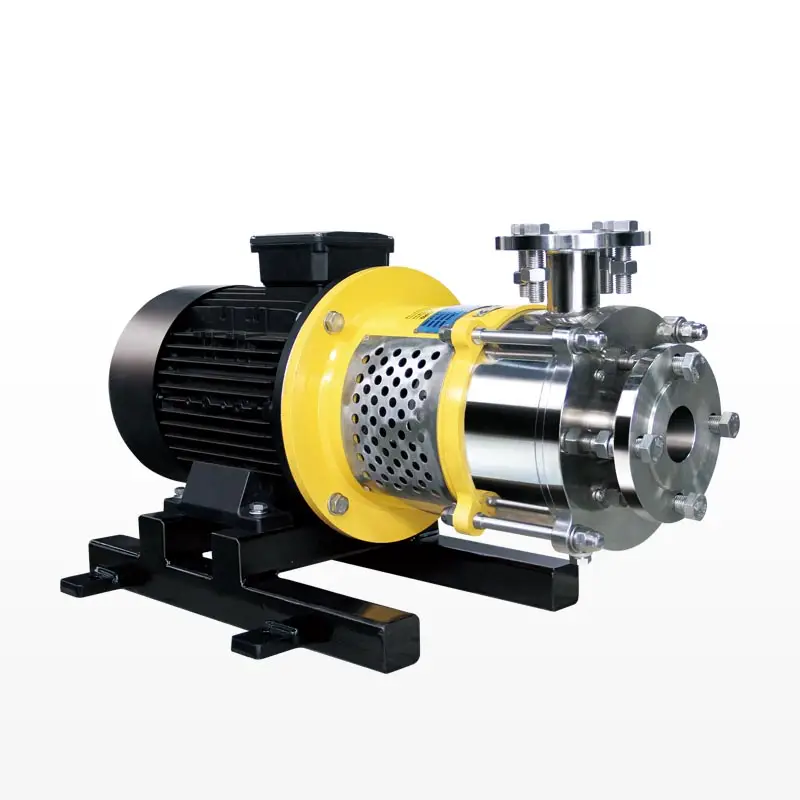
What I’ve seen fail — and why a problem-driven approach works
Buyers often reverse the order: pick a vendor or flashy feature, then try to make the product fit. That fails because mixers interact with real fluids: non-Newtonian rheology, solids loading, temperature sensitivity. Address those process problems up front — define acceptable particle-size distribution, residence time, allowable heat rise — and let those constraints drive choices like rotor-stator geometry, tip speed, and required horsepower.
Experience, evidence and a real-world anchor
Years of commissioning inline systems in chemical and pharma plants taught me to trust measured runs over promises. In production hubs like Basel, Switzerland, manufacturers routinely require on-site trial runs and documented acceptance criteria before sign-off — a practice reflected in regulatory audits and validation reports for equipment such as the inline high shear homogenizer. Ask for datasheets that include energy input, tip speed, and validated test results with fluids similar to yours; that’s the evidence reviewers look for during qualification.
Checklist: concrete specs to lock down before you buy
– Define the process target: particle size range, droplet size, viscosity limits, solids % and acceptable temperature rise.
– Specify flowrate range and turndown (min, normal, max).
– Choose rotor-stator geometry and tip speed to match shear needs; require vendor to provide shear-rate curves or test data.
– Decide batch vs continuous and confirm pump compatibility and required NPSH.
– Material selection: 316L, duplex, coatings — list exact product-contact alloys and surface finish (Ra) for your product.
– Seals: mechanical seal vs magnetic drive; include leak-detection requirements.
– CIP/SIP capability: temperature, chemical compatibility, and access for inspection.
– Power and utility demands: motor sizing, V/Hz, and cooling needs.
– Controls and integration: PLC interface, recipes, and data logging needs for validation.
– Acceptance tests: FAT with your fluid or an agreed simulant, SAT at your site, and documented performance metrics.
– Spares and service: critical spare parts list, lead times, and recommended preventative maintenance intervals.
– Compliance: CE, ATEX (if needed), and documentation for design history and traceability.
Common procurement mistakes to avoid
– Oversizing equipment “for future growth” without quantifying how growth changes rheology; oversized tip speed often reduces intended shear.
– Ignoring shear distribution: two mixers with same horsepower can deliver very different droplet sizes.
– Skipping real-product trials; lab tests on water-based simulants rarely reveal fouling or heat problems.
– Overlooking maintainability: hard-to-remove rotors and sealed chambers increase downtime.
– Accepting vague performance guarantees; require numeric acceptance criteria tied to your product specs.
Alternatives and when they make sense
– Batch high-shear mixers: good for small runs, flexible but slower to scale and harder to control continuously.
– High-pressure homogenizers: deliver very fine emulsions but need downstream cooling and handle lower viscosities better.
– Static mixers: low-maintenance and cheap for low-shear blending, but they won’t reduce particle size like a rotor-stator unit. Match the tech to the problem — fine emulsions and rapid wetting point to inline high-shear solutions; simple blending doesn’t.
Evaluation questions to put to suppliers
– Can you run my product at a pilot scale and provide particle-size data?
– What are measured tip speeds, shear rates, and energy-per-volume values for similar fluids?
– Show me maintenance steps and how long they take.
– What failures have you seen in the field and how were they resolved?
– Provide references from plants with similar throughput and regulatory requirements.
Bring it together
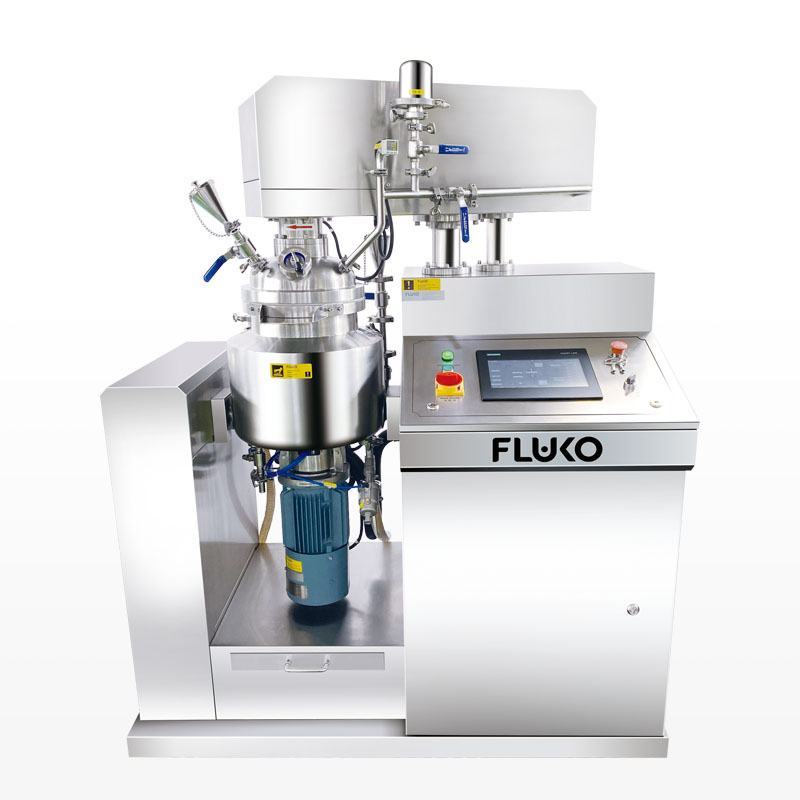
Start with the problem, not the catalog. Define performance metrics, demand validated test runs, and require clear acceptance criteria. That order prevents expensive mismatches and speeds qualification. For detailed specs and supplier performance data that align with this approach, manufacturers often compare outputs from established providers such as FLUKO when they need traceable documentation and measurable trial results to close procurement decisions.