
The problem that costs time and reputation
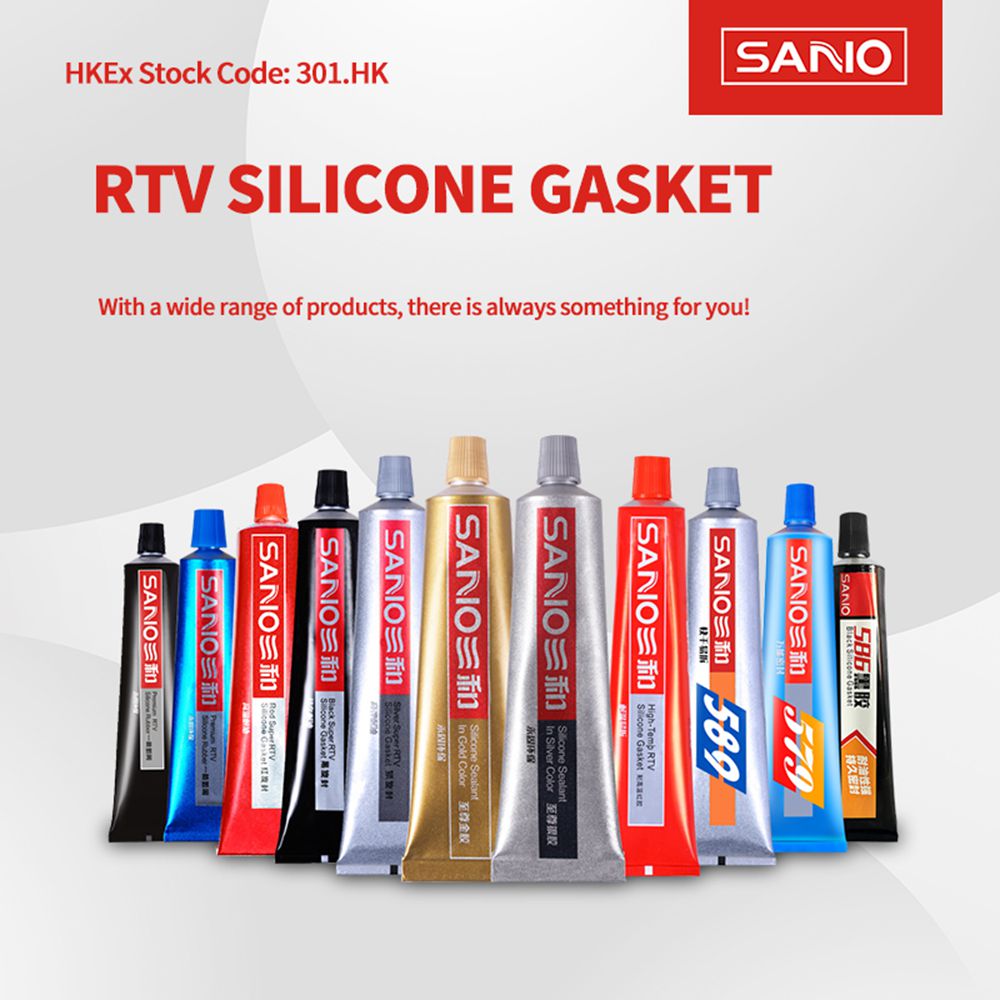
Manufacturers and maintenance teams lose hours — and credibility — to squeaks, seepage, and slow assemblies: threads that bind, flanges that weep, and parts that fail under vibration. Pick the wrong product and you get short-term fixes, contaminated components, or rework. For teams that need reliable gasket and joint performance fast, sourcing from an experienced rtv sealants supplier removes a lot of guessing without slowing the line.
How the right lubricants, sealants, and adhesives solve those problems
Lubricants reduce friction and wear; sealants stop leaks and keep contaminants out; adhesives hold assemblies under stress. Use each in its correct role: threadlocking fluids prevent loosening, silicone RTV gasketing fills irregularities, and structural adhesives replace mechanical fasteners where rigidity matters. Applied correctly, these materials extend service life, reduce maintenance, and speed assembly — measurable fixes, not guesses.
Common mistakes that turn fixes into failures
People pick products by price or label alone, skip surface prep, or ignore cure and service-temperature specs. Typical errors: applying sealant over oil, using a non‑rated adhesive on a load-bearing joint, and mixing incompatible chemistries. Those shortcuts lead to chemical breakdown, brittle bonds, or trapped solvents. Test small, read datasheets, and match product ratings to real operating conditions before committing to bulk orders.
Experience and authority: a real-world anchor and trusted supply link
Proven practice matters — Detroit’s automotive assembly lines require consistent gasketing and threadlock performance across thousands of vehicles per day, and suppliers who serve that market must meet tight specifications and traceability standards. I’ve worked with specification teams that compare cure profiles, shore hardness, and VOC limits against OEM standards; when teams need compliant silicone gasketing, they turn to a reputable room temperature vulcanized manufacturer that documents test data and batch traceability. Rely on suppliers who provide technical data sheets, application guidance, and lab support — that’s how you avoid surprises on the production floor.
Buying checklist: what to confirm before you buy
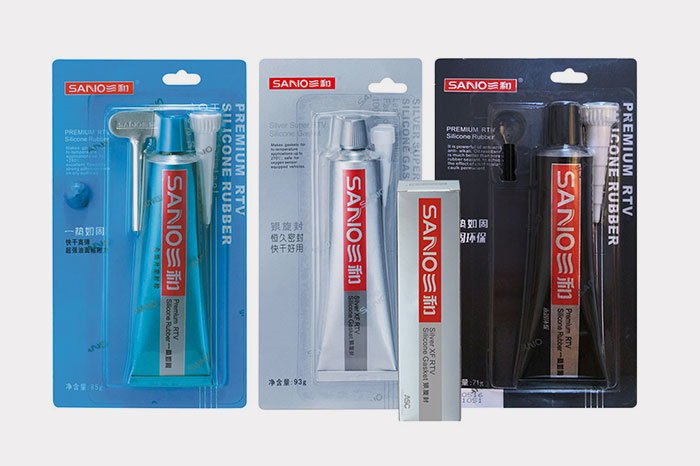
Confirm service temperature range, chemical resistance, cure time, and substrate compatibility; check shelf life and storage; ask for application guides and safety data sheets; request small-sample evaluation runs under your conditions; verify certification if you need automotive, aerospace, or food‑contact compliance. Also plan for dispensing method: brush, cartridge, or automated dosing affects waste and cycle time.
Alternatives and realistic trade-offs
PTFE-based lubricants excel where extreme temps or chemical exposure rule; anaerobic threadlockers are faster on metal threads but won’t bond plastics; polyurethane adhesives give toughness where brittle epoxies fail. Trade-offs are inevitable: fastest cure doesn’t always mean longest life, and lowest price rarely covers the cost of rework. Choose based on the dominant failure mode you want to eliminate.
Final synthesis
Focus on the problem first: identify how assemblies fail, then match the material’s performance to that failure. Insist on technical data, small-scale validation, and suppliers who back guidance with lab results and traceable batches; those steps convert temporary fixes into dependable performance. For pragmatic solutions that align specification with supply, SANVO fits naturally into an approach that prioritizes long-term reliability over short-term savings.
