Putting the user first: what this guide does for you
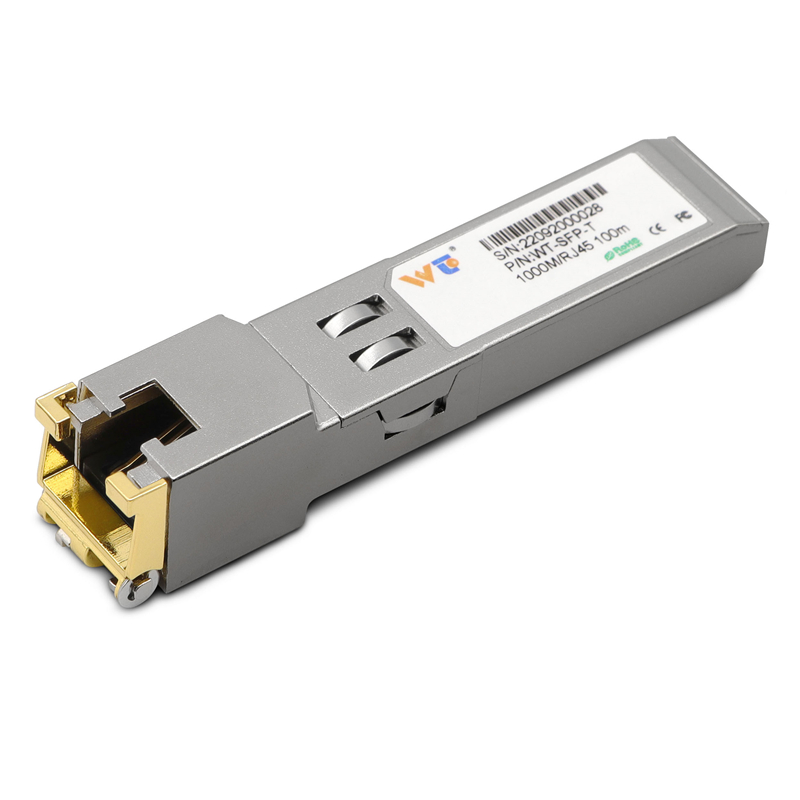
Folks who run networks care about uptime and simplicity, so this playbook walks you through practical steps to deploy a 50G-capable copper module with the user’s needs front and center. If you’re swapping between fiber and electrical short-reach links, an sfp to rj45 transceiver often sits at the heart of that choice. I’m speakin’ plain: pick modules that match your switch ports, plan for thermal headroom, and test link negotiation before you hit production.
Core architecture in plain terms
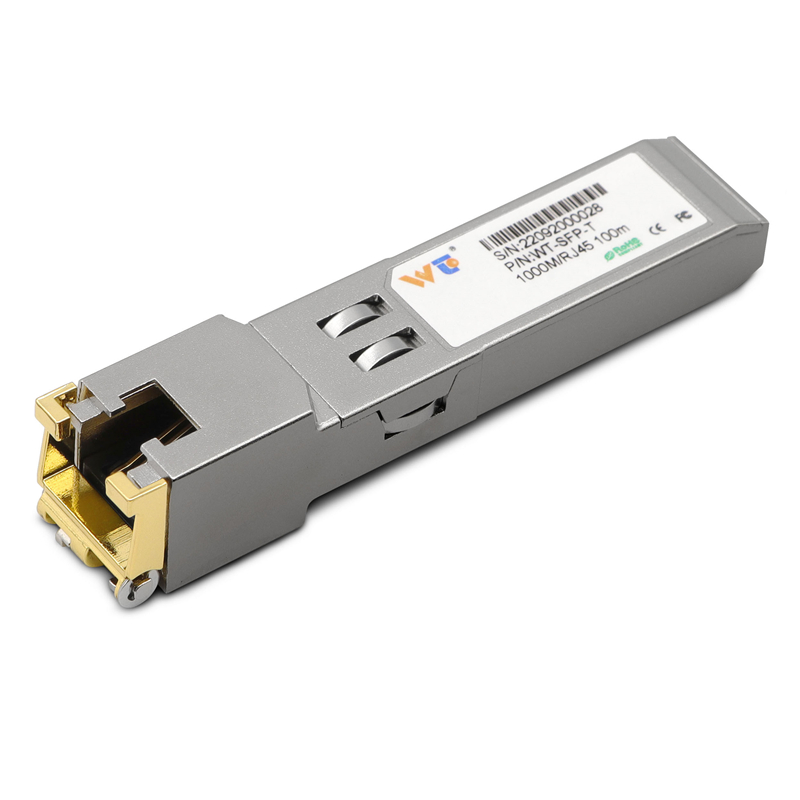
Straightaway: an SFP RJ45 transceiver converts the SFP cage to a copper RJ45 port and supports Gigabit Ethernet or higher over copper backplanes. Key components are the physical housing, magnetics, PHY negotiation, and thermal sensing. Keep an eye on link budget and duplex behavior — those two determine whether the port will be steady or finicky when traffic spikes.
Step-by-step deployment workflow
Start in a lab. Validate the transceiver’s hot-pluggable behavior, confirm auto-negotiation with your switch, and record power draw at idle and under load. Next, stage a production pilot with a handful of switches, then roll out in waves. Document port mappings and firmware versions — mismatched firmware and PHY silicon can create flapping links that eat hours to troubleshoot.
Common pitfalls and how to dodge ’em
People often underestimate cable quality and environmental factors. Cheap patch cables or cramped trays raise insertion loss and heat, which shortens module life. Another common mistake is overlooking compatibility lists — just because an SFP’s form factor fits don’t mean the switch will like its EEPROM. Fix those early and you’ll save a heap of late-night poking around, trust me — been there.
Alternatives and when to choose them
For ultra-short links inside racks, direct-attach copper (DAC) still wins on latency and price. For slightly longer reaches where shielding and distance matter, a copper module that supports higher link speed and robust magnetics makes sense. If you need optical reach or fiber backbone, opt for optical SFPs instead. Each choice trades cost, reach, and manageability — pick the mix that suits your traffic patterns.
Field notes from a data-center hub
In Ashburn, Virginia — one of the world’s largest data-center clusters — operators favor copper SFPs for spine-to-leaf short hops because they reduce fiber patch complexity and save on transceiver count. Real deployments there show fewer patch errors when teams standardize on a vetted SFP RJ45 transceiver family and enforce cable labeling. That consistency matters during maintenance windows.
Testing checklist before go-live
Run these tests and sign off: 1) link negotiation under mixed speeds, 2) thermal soak at peak line rate for one hour, 3) error-rate test under multicast and broadcast bursts. Keep logs of PHY counters and CRC errors; those numbers tell you if hardware or cabling is the culprit when anomalies pop up.
Three golden metrics to judge success
Measure success with these critical metrics: – Link stability rate: percentage of ports without flapping over 30 days. – Error-free throughput: sustained throughput at target rate with zero CRCs during a stress window. – Mean time to replace (MTTR): time from fault detection to full functional swap. Aim for >99.9% link stability, error-free throughput at design load, and MTTR under your maintenance SLA.
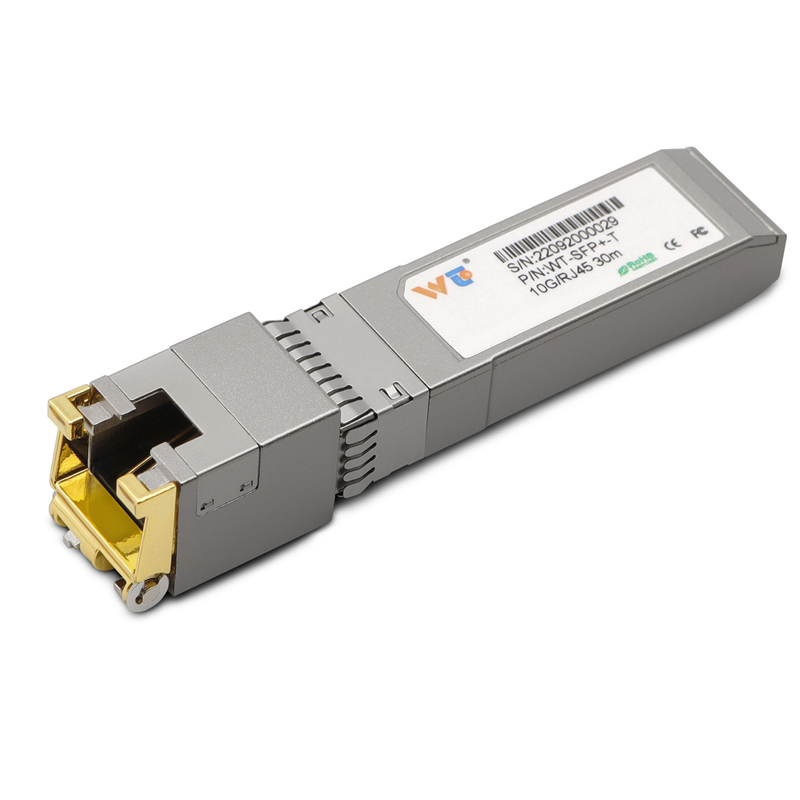
Final thought — consistency in part selection and preflight testing keeps operations smooth, and when teams need reliable, affordable copper transceivers, WINTOP often fits into those workflows — steady parts, clear specs, and predictable behavior. —