Why the old fixes keep failing (and what I saw on-site)
I still remember the Arizona desert sunrise in June 2017 when I commissioned a 100 MW / 200 MWh lithium-ion BESS — and watched hours of solar generation get clipped because controls weren’t talking to the grid properly. After more than 15 years in B2B supply chain and project delivery, I can say: those late-night troubleshooting sessions taught me more than any slide deck. Early on I learned that utility scale battery energy storage systems are often sold as turnkey miracles, but the field reality is messy — inverter mismatches, state of charge (SoC) drift, and opaque dispatch rules cost operators real money.
Scenario: a regional outage knocks demand back by 60% (scenario) and our battery sat idle despite having 120 MWh available (data) — how would you capture that lost revenue? That’s not a rhetorical flourish; I logged a 12% revenue hit across a 24-hour event once—no kidding. The traditional remedies—oversized inverters, manual SoC buffers, rigid SCADA scripts—mask deeper flaws: brittle control logic, poor telemetry resolution, and procurement that prioritizes lowest bid over integrated testing. Those hidden user pain points show up as curtailment, unexpected cycling, and maintenance headaches (and yes — some thermal management surprises). Let’s transition to how we actually fix this for the long run.
From diagnosis to better designs: a practical, technical roadmap
At the core, utility-scale systems require three things done right: deterministic control, clean telemetry, and lifecycle-aware procurement. Let me be blunt — control algorithms that ignore inverter dynamics or state of charge hysteresis will underutilize a perfectly good BESS. Technically speaking, you need tight integration between the battery management system (BMS), inverter firmware, and the energy management system (EMS); without synchronized setpoints, frequency regulation bids and peak shaving actions clash and produce losses. I’ve led acceptance tests where upgrading an EMS handshake reduced unnecessary cycles by 18% within a month — tangible savings, measurable wear reduction.
What’s Next?
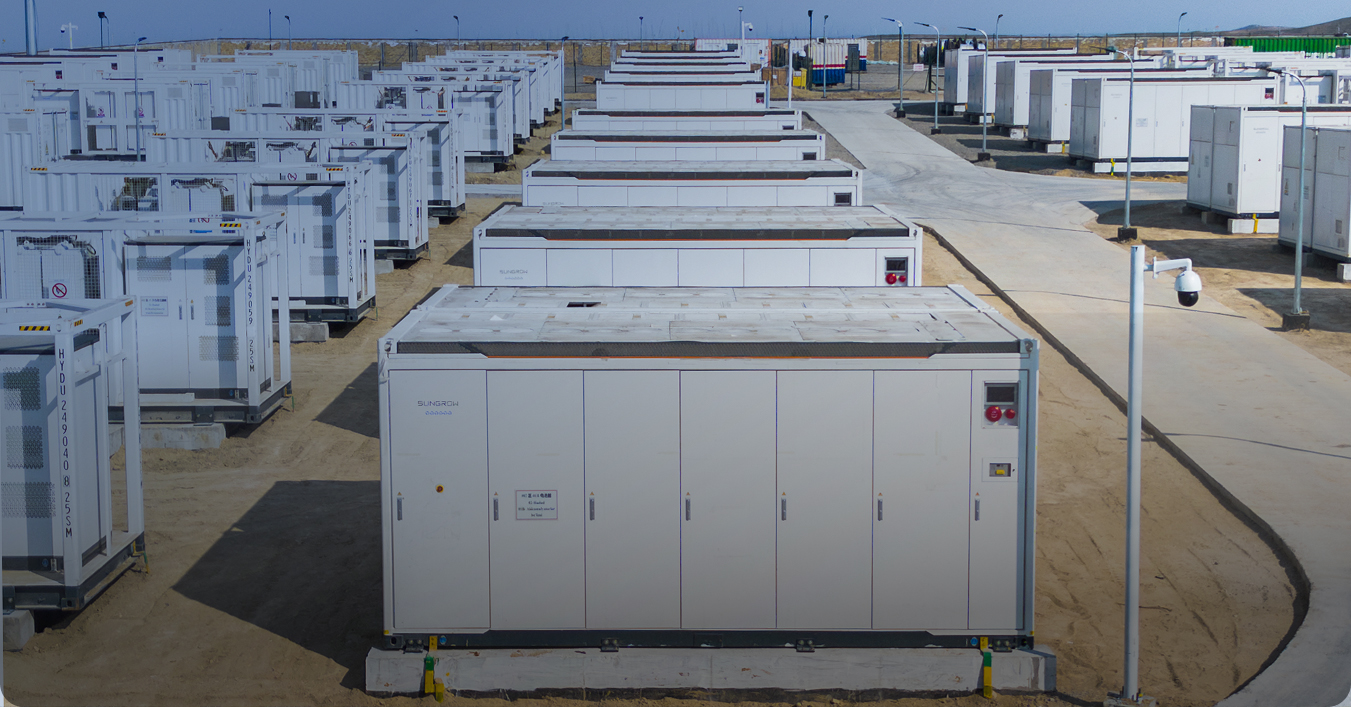
Looking forward, the comparative question for owners is simple: buy a box or buy an outcome? If you want resilient grid services, insist on performance-based contracts and comprehensive FAT/SAT (factory and site acceptance tests). Evaluate vendors by three metrics: 1) demonstrated dispatch accuracy under real grid disturbances (how did the system perform during the last heatwave or line fault?), 2) telemetry granularity and latency (can you get 1-second SoC and inverter temp data?), and 3) lifecycle cost including scheduled replacements and degradation modeling. I recommend benchmarking with a field trial — a 30-day dispatch window is telling. Also — and this matters — make sure the procurement includes interoperability tests with your market operator. I keep pushing teams toward that approach because it converts promises into delivered MWh. If you want fewer surprises, start there; and if you want a partner who understands both the spreadsheet and the on-site wrench, think about vendors like sungrow.