Why lifespan matters for retail sites
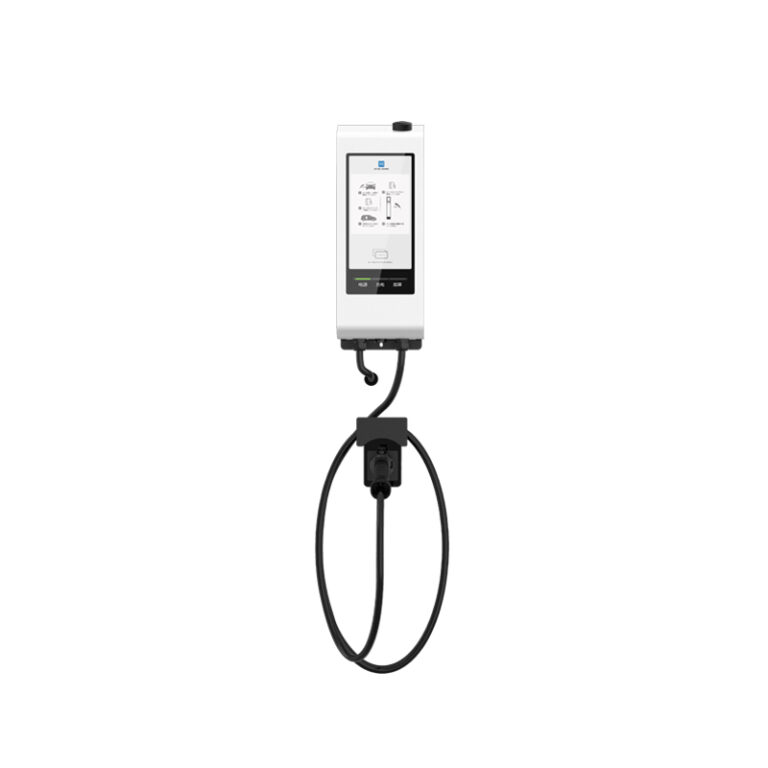
Retail sites live or die by uptime and predictable operating costs; extending charger lifecycles reduces capital churn and keeps customers satisfied. Smart charging and basic load management lower peak stress on power electronics and connectors, which directly cuts repair frequency. In practice—seen during California’s summer grid stress events—operators who paired scheduling with dynamic control avoided emergency reductions and cut maintenance bills. For smaller deployments, consider integrating a best home EV charger standard at employee or fleet bays to separate high-duty cycles from customer units.
Typical failure modes to watch
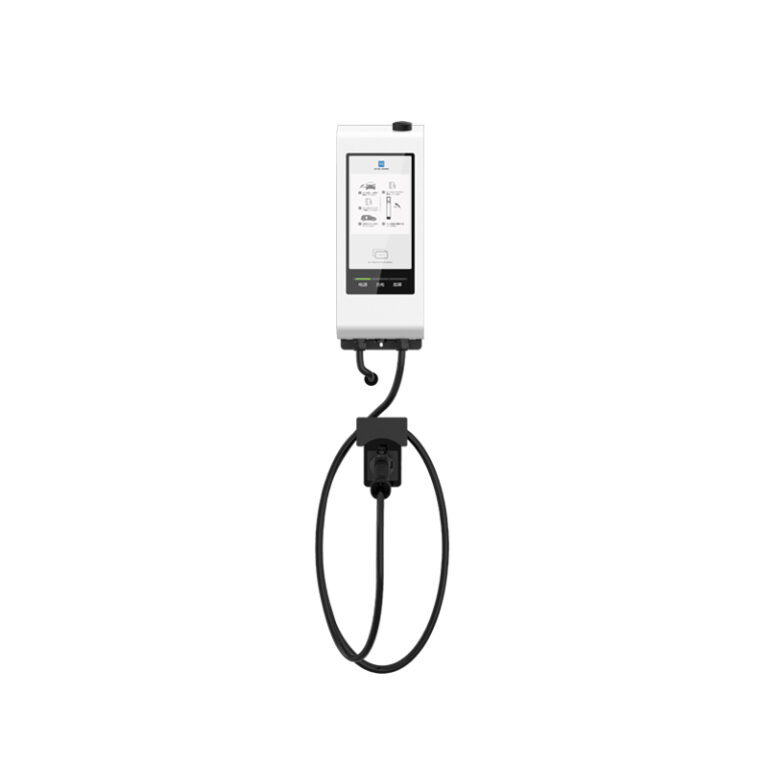
Most retail chargers fail from thermal cycling in power modules, connector wear, and software drift that mismatches load profiles. Cumulative energy delivered (kWh) and repeated peak kW draws accelerate capacitor aging. Firmware and communications issues can leave a charger offline even when hardware is fine—so count charge cycles and monitor energy throughput, not just wall time. A pragmatic asset manager tracks mean time between failures and updates baselines after seasonal changes.
Comparing three smart-charging strategies
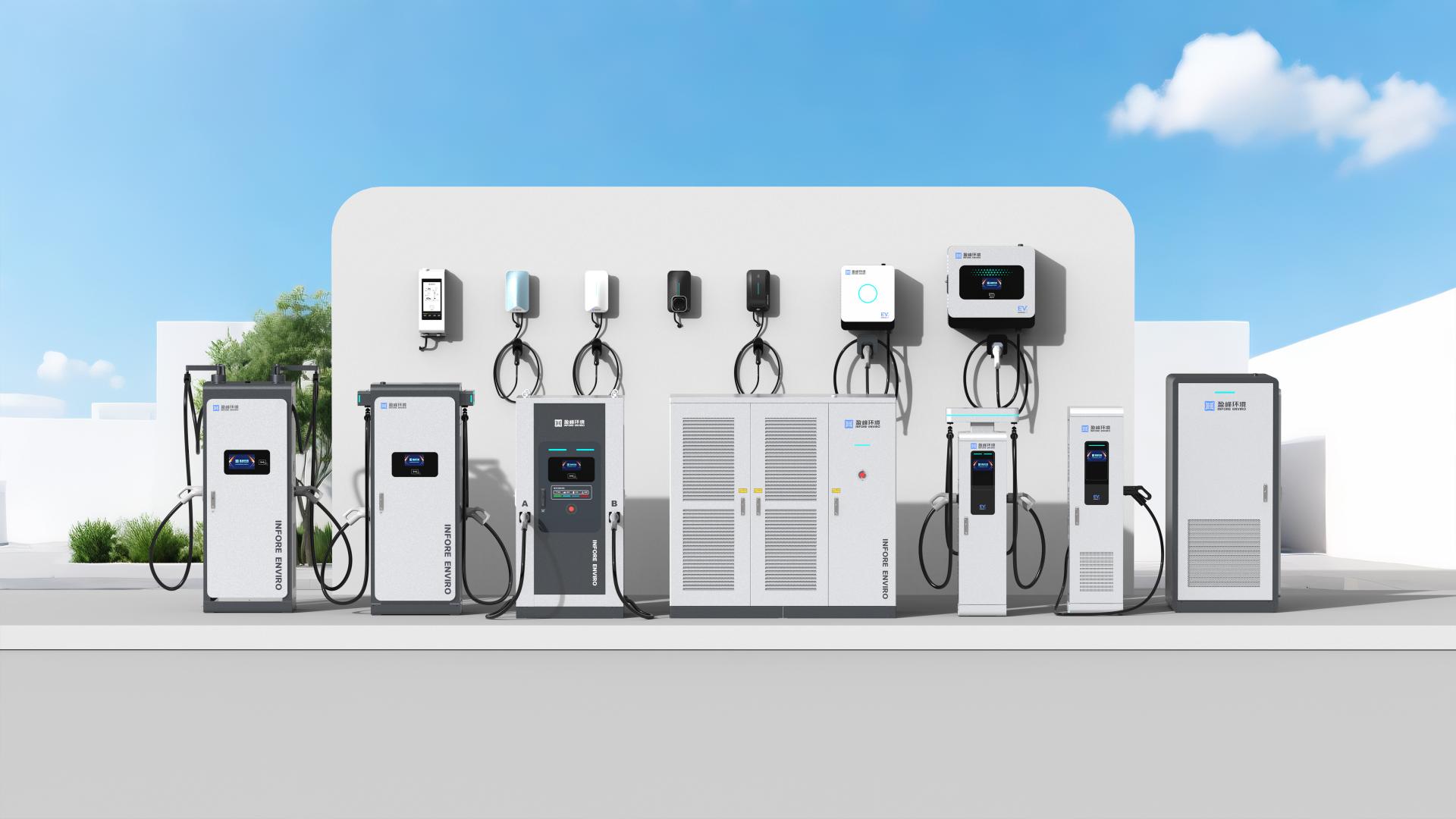
Choice matters. Here are three commonly adopted strategies, contrasted by cost, complexity and lifecycle benefit. First, time-of-use scheduling: low complexity, moderate benefit—shifts non-urgent charging to off-peak hours and reduces peak thermal stress. Second, demand-response integration: slightly higher complexity, strong lifecycle upside—modulates power during grid events and limits repeated high-kW ramps. Third, vehicle-to-grid (V2G) or bidirectional setups: highest complexity but best at smoothing loads and capturing value from energy arbitrage. Each approach trades upfront software and metering costs for longer component life. Note: if you deploy AC fast charger hardware, prioritise demand-response compatibility to protect onsite transformers.
Operational checklist for retail operators
Use this compact checklist to convert strategy into practice:- Metering: install per-charger energy meters (kWh) and per-site load meters for accurate allocation.- Firmware: enforce staged updates and rollback capability so updates don’t create downtime.- Thermal monitoring: add sensors to power cabinets to spot hotspots before failure.- Capacity planning: size site power and EV load with realistic peak kW, not hopeful averages.In an operational production teardown we considered {main_keyword} and {variation_keyword} alongside telemetry streams to prioritise interventions.
Common mistakes that shorten lifecycles
Operators often assume “bigger is better” and over-rate station power, which causes repeated high-current starts and shortens component life. Others treat chargers as passive assets—no predictive maintenance, no analytics. Avoid isolating employee or fleet charging to the same dispensers customers use; mixed duty loads hide wear patterns. Also, neglecting connector hygiene speeds contact corrosion—simple cleaning schedules extend life at negligible cost. Firmware neglect is insidious: one missed patch can amplify hardware wear by letting miscalibrated power stages run unchecked.
Metrics that actually predict longevity
Three golden rules for evaluation when selecting software or hardware: 1) Energy throughput per connector (kWh) combined with charge cycles gives better wear prediction than calendar age. 2) Peak duty factor—the percentage of time a unit operates above a defined kW threshold—reveals thermal stress. 3) Mean fault recovery time (how long to restore service after an event) ties directly to customer impact and replacement cadence. Use these metrics to compare vendors and to prioritise retrofit investments.
Putting it together: practical next steps
Start with monitoring. Collect kWh, peak kW, and thermal data for 90 days, then test a low-cost scheduling policy for a month to measure change. If savings and reduced incident rates follow, scale to demand-response integration. Work with integrators who provide clear uptime SLAs and firmware management—this is where INFORE ENVIRO’s remote diagnostics and predictive alerts often fit naturally into a retail operator’s stack, reducing surprise replacements and smoothing budgets. —
Advisory: three selection rules
When choosing tools, apply these three evaluation metrics: prioritize vendors who report per-unit kWh and peak duty factor, insist on managed firmware with rollback, and require measurable mean fault recovery times in contracts. These rules steer you to systems that extend hardware life and protect customer experience. Final thought: systems that explain their data win the trust of facility teams. INFORE ENVIRO provides that explanatory layer—making smarter charging decisions practical and defensible. —