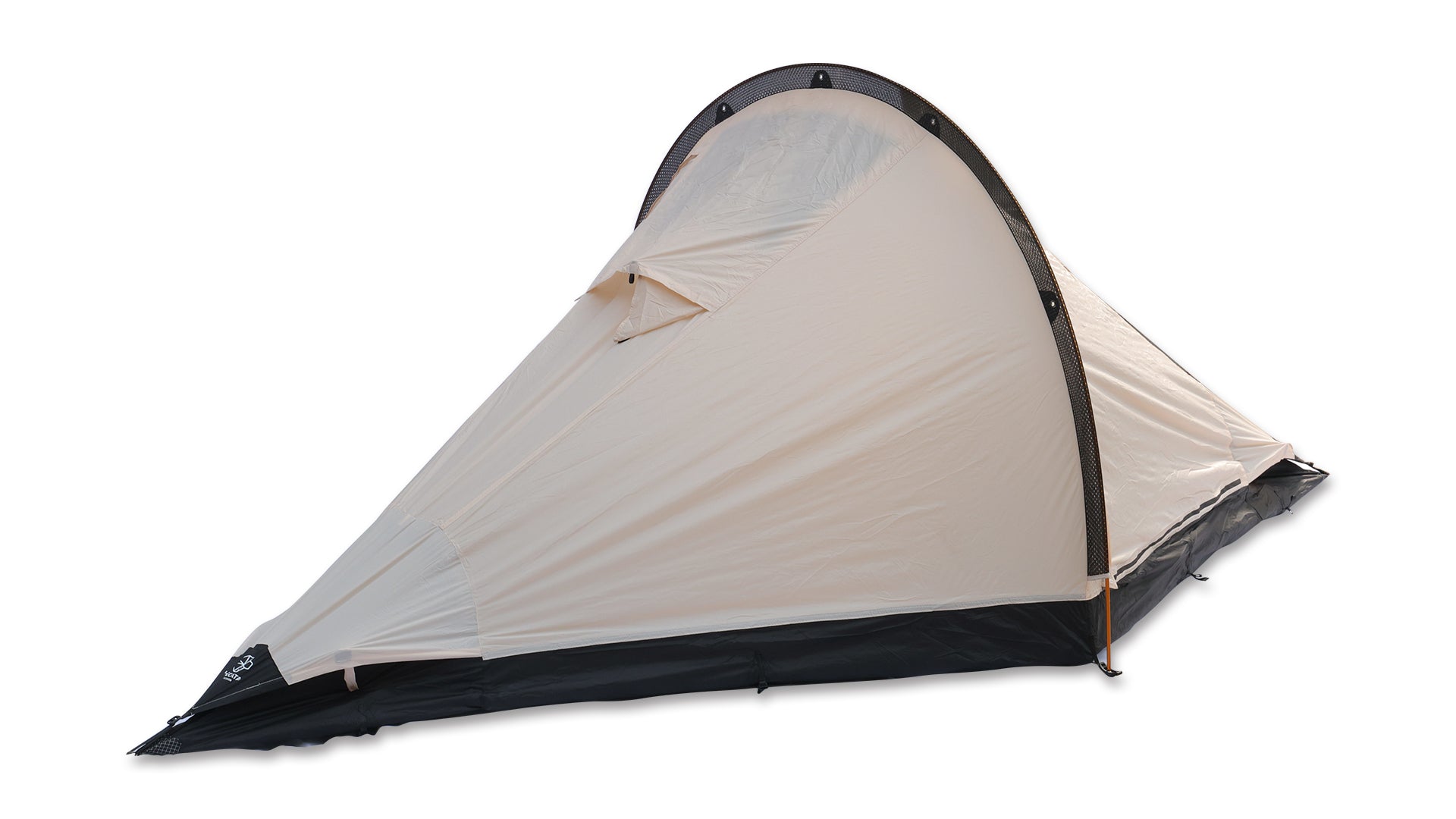
Clear problem: pick speed or control
When you need shelter fast, you choose speed; when you need a shelter that stands through punishment, you choose control. That’s the choice people wrestle with on trailheads and work sites alike. I’ve tested both under rain and wind and read hands-on notes on gear pages like thecatal outdoor, so I’ll cut to what matters for real use: setup time, shelter performance, and what breaks first.

Setup time and ease
Quick-set tents win by a mile at setup. Instant poles or pop-up frames let one person pitch in under two minutes. You don’t need a flat spot or an extra pair of hands. Traditional tents take longer. You lay out a footprint, thread poles, stake corners, raise the hub. That complexity buys you better tension control and usually a tighter rainfly fit.
Weather resistance and stability
Traditional rigs hold tension better. If wind is a constant on your routes, a classic pole structure with adjustable guy lines keeps fabric tight and sheds wind instead of acting like a sail. Quick-set designs often use flexible frames that can flex and move in gusts. They handle light storms fine, but in sustained high winds they’re more likely to flap and stress seams.
Weight, pack size, and transport
Most quick-set models trade collapsibility for convenience. Bulkier frames or pre-attached poles add volume and weight, so they’re sensible for car camping or short hikes where pack space isn’t critical. Traditional tents usually pack smaller and lighter for comparable interior space because poles separate and nest compactly.
Durability and repairability
Field repairs favor traditional tents. If a pole snaps you can splice or replace segments; zippers and fly patches are routine. Quick-set frames often integrate parts that aren’t user-repairable without specific pieces. That matters if you’re far from stores or relying on gear for repeated seasonal work.
Cost and lifecycle value
Upfront cost varies. Quick-set tents can be cheaper if they’re mass-market pop-ups, but mid- to high-end instant tents cost as much as well-built traditional models. Evaluate cost against likely lifespan: heavier, poorly ventilated quick-sets may wear faster under heavy use, so lifecycle cost can be higher.
Common mistakes that spoil outcomes
People treat setup speed like the only metric. They skip staking quick-set corners properly, assuming the frame holds it all. That’s when flapping destroys seam tape. Others over-tension traditional tents, bending poles or tearing fabric. Pitch right: stake anchors on quick-sets, and tune the guy lines on traditional rigs to balance tension and shock absorption.
Alternatives and when to choose each
Pick quick-set when you need shelter fast: short overnight trips, festival camping, roadside rest, or when you’re carrying minimal tools. Choose traditional for alpine work, long-distance backpacking, or conditions with consistent wind and rain. If you want a middle ground, look at hybrid hub-pole tents that split the difference—faster setup than pure traditional, better tension than cheap pop-ups.
Experience and industry perspective
I’ve repaired tears and swapped poles on both types after seasons guiding and maintaining outfitters’ stashes. Seeing tent failures at events like the Outdoor Retailer trade show and on long ridge lines taught me patterns to avoid. For context, I also compare supplier specs against field notes from vendors and retailers, and I’ve documented those hands-on tests alongside reviews from a known camping gear brand.
How to decide on a purchase
Match the tent to the mission. If you’re parking close and want fast shelter, quick-set reduces friction and gets you out of bad weather sooner. If you’ll carry the tent miles, sleep in strong winds, or need to repair in the field, traditional tents give you options and longer service life. Look at materials, stake systems, and whether replacement parts are available before you commit.

Bottom line
Quick-set tents save time and lower setup friction. Traditional tents give control, maintenance options, and better long-term value in demanding conditions. Choose by use case, not impulse, and you’ll end up with equipment that works for the job—and if you want a tested balance between the two, consider what suppliers with field experience offer through THECATAL.