
Introduction — a kitchen-table take on therapy
I was kneading dough the other day and it hit me: therapeutic routines are a lot like recipes — timing, temperature, and the right tools make all the difference. In my clinic, when someone mentions a red light bed, I picture a controlled oven of photons tuned to heal and relax. Data shows more people try light therapy at home now than five years ago (surprising, yes) — and satisfaction varies widely. So why do some users rave while others barely notice a change?
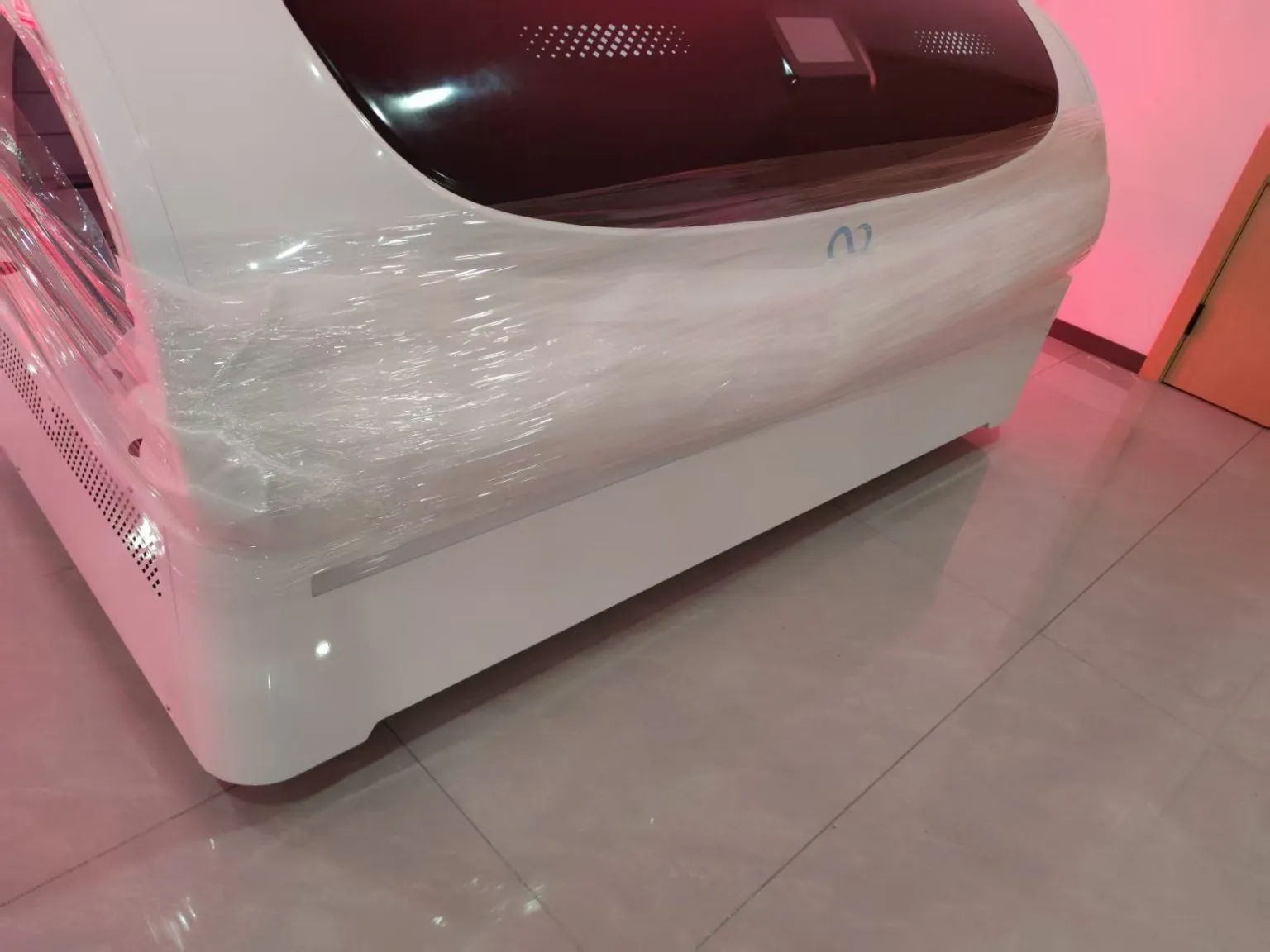
I’ll share what I’ve learned at the counter and in the lab: simple steps, common pitfalls, and how to get consistent outcomes. Think of this as a chef’s short lesson — practical, slightly technical, and honest. Ready to move past the glow and into the method? Let’s dig in and see what’s really cooking.
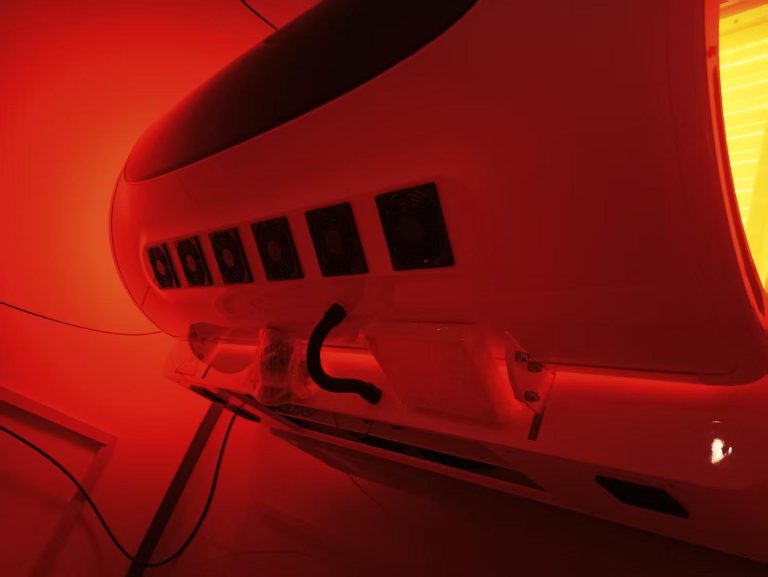
Deeper layer: Where standard setups fail and what users secretly struggle with
led light therapy bed units promise easy recovery, but many designs skip crucial engineering and usability details. I’ve seen units with mismatched LED arrays, weak driver circuits, and poor thermal control. These create uneven exposure, drop in output after a few sessions, and frustrated users who stop using the device. Look, it’s simpler than you think — inconsistent wavelength delivery and low irradiance are the real culprits. — funny how that works, right?
Why does it matter?
Users often report vague results: “I felt a little better,” or “maybe it helped.” That vagueness masks deeper pain points: unclear session length, awkward bed ergonomics, and confusing intensity controls. The missing pieces are reliability and repeatability. If the power converters and driver circuits don’t maintain consistent current, the wavelength drifts and photobiomodulation effects weaken. I want to be blunt: manufacturers sometimes prioritize looks and cost over steady output. The result is wasted time and money for people who just want real relief.
Forward-looking: Principles and practical upgrades for the next generation
Looking ahead, the best improvements hinge on a few technical principles: stable power delivery, precise wavelength control, and good heat management. When a manufacturer designs with proper heat sinks and regulated power drivers, the LEDs keep a steady output and the therapy stays effective. If you pair that with user-friendly timers and clear intensity markings, real gains happen. I can show this with examples — devices that add simple sensors to monitor irradiance tend to keep performance steady over months (practical, measurable improvements).
What’s next for users and makers?
In short: choose devices built around core engineering — quality LED arrays, reliable driver circuits, and thermal design that prevents throttling. Continued innovations like adaptive intensity (which adjusts based on skin proximity) and better session logging will make home therapy closer to clinic-grade care. I’m optimistic — semi-formal now, practical always. And yes, there are real product wins emerging; I’ve tested a few and they make routine use far less fiddly.
Conclusion — three metrics I use when I evaluate a unit
When I pick or recommend a red light bed, I focus on three measurable things: consistent irradiance (does it hold output over time?), wavelength accuracy (is the peak where studies show benefits?), and thermal/power stability (does it avoid heat-induced drop-off?). Those metrics predict real-world benefit far better than glossy images or price tags. Measure them or ask the maker for specs. Also ask about session logging and warranty — small clues that a brand cares about long-term performance.
Finally, weigh ergonomics and ease of use. You’ll use a device more when it’s comfortable and simple. Keep those three evaluation points in mind, and you’ll save time and frustration. If you want a starting place for quality units, I’ve found a few reliable options that match these criteria — including offerings from Magique Power.
