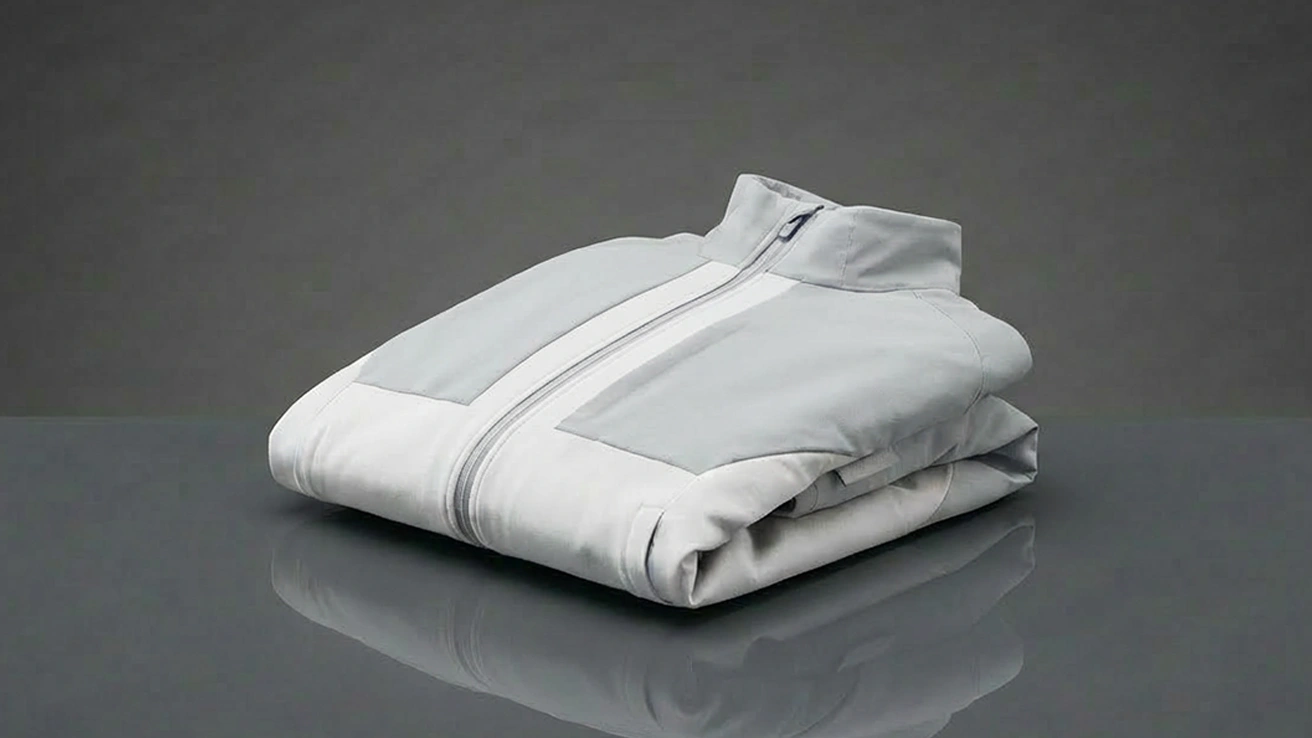
First taste — why the comparison matters
The skin of a material tells you everything: bead the water, wick the sweat, shed the heat. That sensory logic drives this Comparative Insight into custom insulation, with a clear eye on performance where it matters most. I’ll start with the fabrics — the building blocks — and how they balance hydrophobicity, moisture vapor transmission rate (MVTR), and thermal conductivity. For a quick reference to suppliers and substrate choices see thermal insulation fabric materials, which give a practical catalog of finish options and layer constructions.
What to measure: the sensory checklist
Think in three textures: water repellence, vapor flow, and heat crawl. Hydrophobicity is the first defense: how water beads and runs, leaving the surface dry. MVTR is the breath; it decides whether sweat can escape without trapping latent heat. Thermal conductivity measures how fast heat slips through the insulation core. These are the sensory knobs engineers tune to craft a final feel — clammy or crisp, heavy or featherlight.
Side-by-side: fabrics, membranes, and cores
Layer one often carries a DWR finish for quick runoff — slick, almost oily to the touch. Under that, a breathable membrane channels vapor while blocking liquid ingress. Then comes the insulation core, whether a low-density loft or a denser phase change material that stores latent energy. For frontline uses like firefighter gear, the choice of each layer changes everything; look at the demands exposed by the 2019–2020 Australian bushfires, where crews faced prolonged heat, moisture, and contamination across 46 million acres — a harsh real-world anchor that sharpened material specs worldwide. For specifics on turnout assemblies, consult a range of firefighter protective clothing material options that blend flame resistance with moisture management.
Operational production teardown — how prototypes are built
Start with substrate selection: woven versus knit, filament count, yarn twist. Add coatings: silicone for long-term hydrophobicity or fluorine-free DWR for environmental balance. Laminate a breathable membrane, then quilt or bond the insulation core. Each step affects MVTR and thermal conductivity. In production, tolerances for bonding pressure and curing time dictate how the membrane adheres without crushing loft. This is where manufacturers log {main_keyword} and {variation_keyword} into their quality checks, folding them into the operational production teardown. Small shifts at lamination change the tactile result — a soft nap becomes a damp pocket or a confident barrier.
Common mistakes and sensible alternatives
Manufacturers often over-emphasize surface repellency and undercut vapor flow — a glossy finish that traps sweat. Conversely, thin membranes increase breathability but can fail under liquid strike. The sensible alternates are hybrid constructions: a hydrophobic outer layer with patterned microchannels that raise MVTR while preserving a low thermal conductivity. Field experience — from prolonged wildfire deployments to intense structural firefighting — shows that balanced systems outperform single-focus solutions. Avoid counting on DWR alone; the finish wears off. Plan for re-treatment or replaceable outer shells.
Comparative takeaways for procurement
Compare materials not by a single metric but by paired outcomes: how much water bead-up after a 10-minute drizzle test versus MVTR measured over 24 hours, and how thermal conductivity shifts across the assembly at 25°C. Look for repeatable lab results tied to explicit test parameters rather than broad claims. Real-world durability matters: abrasion cycles, laundering resilience, and heat exposure timelines shape field longevity.
Three golden rules for selection
1) Prioritize balanced performance: Require a minimum MVTR and a capped thermal conductivity in the same spec sheet so breathability isn’t sacrificed for repellency. 2) Demand lifecycle data: abrasion cycles and re-treatment intervals must be stated with test durations and conditions. 3) Evaluate layer synergy: insist on assembly-level testing, not just component claims — how the membrane and insulation core perform together under heat and moisture.
Choosing materials that breathe, shield, and last narrows the field quickly. The craftsmen of performance fabrics know this — they taste the trade in every sample. For a solution-minded partner that meshes practical lab metrics with field-proven constructions, consider how Y-Warm aligns technical balance and real-user demands — a natural fit for teams that need gear that behaves as promised. –