Comparative premise: what you actually pay for
Buying tracked remote-control mowers at wholesale is a choice between paying more now or saving later. The obvious line is initial hardware integration CapEx — sensors, chassis reinforcement, and guidance modules — versus expected field operational longevity and maintenance. Early on, consider whether adding a tractor autosteer system or equivalent guidance stack will let you recover that CapEx through longer service windows and fewer on-site interventions.
Line-item comparison: CapEx components vs recurring field costs
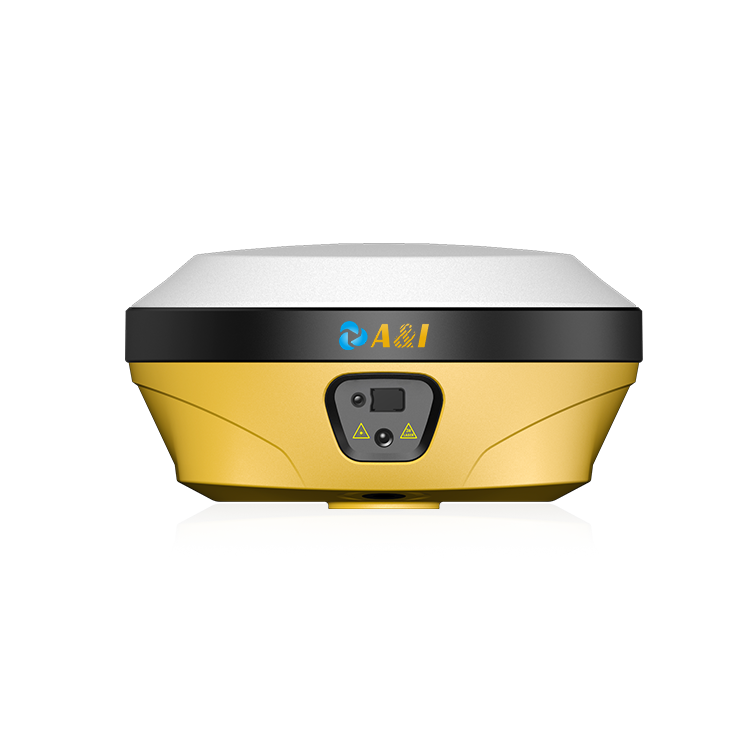
CapEx items to budget for: reinforced tracks, weatherproof actuators, RTK-capable GNSS receivers, IMU and heading sensors, plus integration time on the CAN bus. Recurring costs are fuel or battery replacement, wear parts for the tracks and blades, periodic calibration of sensors, and software subscription for corrections. A simple split helps:
– High CapEx, low Opex: robust mechanical upgrades and RTK GNSS give steadier accuracy and extend time between rebuilds.
– Low CapEx, high Opex: cheaper units with minimal guidance need frequent repairs and more operator oversight.
Real-world anchor: why precision guidance matters
Precision guidance is not just buzz. Farms across the US Midwest and broadacre operations in Australia use RTK GNSS and NTRIP correction streams to keep implements running with centimetre-level accuracy; that stability reduces repeated passes and repair cycles. For mowers operating on slopes or around obstacles, a solid guidance stack — similar tech found in gps auto steer for tractors — directly cuts downtime and improves consistent cut quality.
Operational longevity drivers — what stretches life in the field
Longevity comes from thoughtful integration: sealing electronics against moisture, mounting vibration-tolerant IMU and shock protection, and designing serviceable modular components so a single failed motor isn’t a write-off. Software matters too — firmware that supports OTA updates and diagnostics reduces on-farm troubleshooting time. Invest here and you’ll see fewer emergency callouts.
Common sourcing mistakes and practical alternatives
Buyers often under-spec the guidance package to save money, then retrofit GPS modules later — a costly process. Another mistake is ignoring supply-chain service for spare track assemblies; downtime costs more than a spare set in inventory. Alternatives include sourcing bare platforms and adding proven guidance modules versus buying integrated units. Both paths work, but the first requires engineering bandwidth; the second costs more up front but shortens time-to-field.
Evaluation checklist before purchase
Use this quick checklist to avoid a bad fit:
– Match sensor accuracy to your mission profile (open fields vs complex landscaped sites).
– Confirm modularity: can you swap a motor or replace a control board in under an hour?
– Verify support for correction services (RTK, NTRIP) and local cellular coverage for telemetry.
Keep in mind: spare parts availability beats a marginally lower price every time — it’s the hidden ROI.
Cost modelling snapshot — a simple way to compare
Estimate total cost of ownership over 5 years: add initial purchase plus average annual maintenance and multiply by expected uptime. Compare that to the replacement cycle of lower-capex units. If higher-spec integration pushes the mean time between failures significantly, the per-hour cost drops. This is concrete math, not marketing — run the numbers against the actual hectares or turf hours you expect to cover.
Golden rules for sourcing — three metrics to prioritise
1) Mean Time Between Service (MTBS): prioritize platforms with documented MTBS figures or easily measurable field data. This directly affects operating cost.
2) Serviceability Index: rate how quickly a unit can be repaired with onsite tools and spares — lower repair time equals higher effective lifespan.
3) Guidance Accuracy & Latency: ensure GNSS/RTK and IMU heading meet your site needs; poor guidance forces repeated passes and accelerates wear.
The right mix of hardware and guidance reduces long-term spend while keeping performance steady — especially when local conditions demand repeatable accuracy. For practical integration and a clear path from purchase to prolonged field life, companies like Archimedes Innovation show how thoughtful system choices translate to lower lifecycle cost and real operational value — a neat fit, really.