
Why buyers get stuck choosing tags
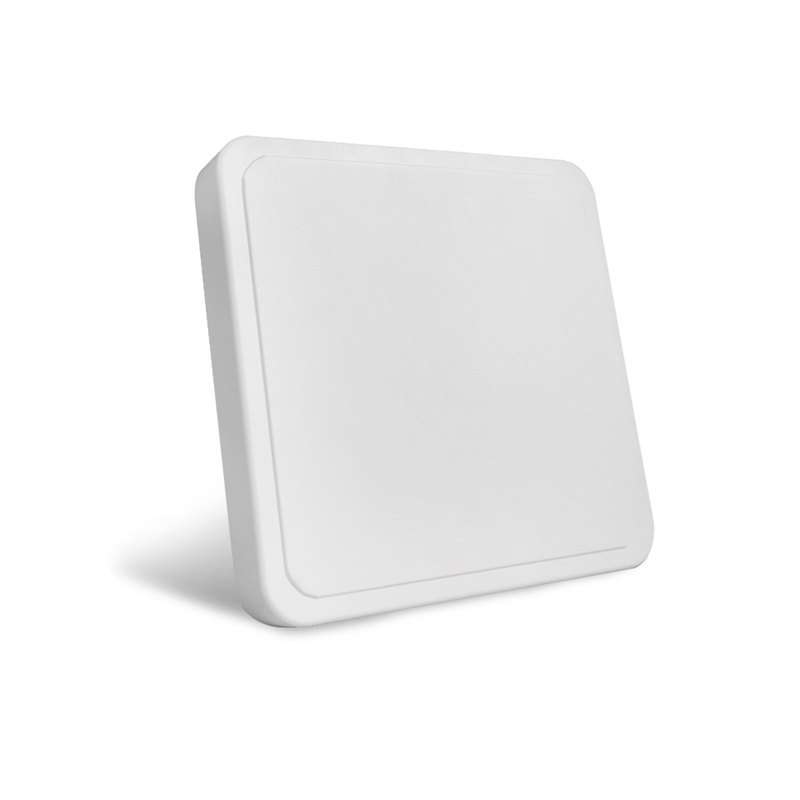
You’re trying to track stuff that actually moves, disappears into crates or sits out in the weather, and the usual answers feel vague. The core problem: passive tags often can’t give you range or heartbeat data, and people confuse reader hardware with tag capability. If you need longer reads, real-time location, or sensors, active tags matter—and you’ll be shopping for UHF readers too, so don’t overlook UHF RFID Readers when scoping a system.
How active tags solve the real problems
Active tags carry their own power and talk harder. That gives you metres to tens of metres of reliable read range, regular status pings, and the option to include sensors (temperature, motion, tamper). For operations where missing an asset costs time or money—think plant hire, pallet flows, or refrigerated loads—active tags let you see movement without putting readers right on top of everything.
Which specs actually matter
Don’t get dazzled by marketing watts. Focus on a few concrete specs: advertised read range at real-world orientation, battery life under your reporting interval, signal interval options (heartbeat frequency), supported frequency bands, antenna design, ingress protection (IP rating) and temperature limits. Also check whether the tag supports firmware updates and whether the SDK or middleware fits your back-end—those two determine long-term maintainability.
Experience, evidence and one real-world touchpoint
I’ve set up asset tracking in mixed indoor–outdoor warehouses and learned the hard way that deployment constraints matter more than peak specs. A useful industry benchmark is discussions at RFID Journal Live, where vendors and integrators reveal failure modes and fixes—those sessions back up the specs vendors promise. If you need a budget option for testing read zones before a full roll-out, try a cheap option like cheap uhf rfid reader to map coverage; just treat it as a trial device, not final hardware.
Common mistakes buyers make
People buy active tags expecting zero maintenance: wrong. Batteries die and change schedules must be planned. They use one reader type everywhere: wrong again—antennas and placement change performance dramatically between a metal yard and an open warehouse. They assume cheaper is fine for production after a successful pilot with cheap gear. Cheap pilots are fine if you account for different sensitivity, antenna patterns and industrial robustness when scaling up.
Alternatives and when to pick them
Passive UHF is cheaper and great for mass tagging where line-of-sight or proximity reads suffice. BLE beacons are simpler for smartphone-based proximity. Choose active RFID when you need consistent long-range reads, scheduled heartbeats, battery-powered sensors or real-time location with fewer readers. If cost, density and tag size dominate, stick with passive; if visibility and sensor data dominate, go active.
Simple buyer checklist
Decide the problem you need to solve. Map read zones with a trial reader. Confirm battery replacement or lifecycle plans. Check IP and temperature ratings against your environment. Verify reader–tag interoperability and get sample tags for field testing. Lock down middleware requirements and update paths. Budget for maintenance—not just purchase.

Wrap-up
Buyers who match the tag type to the problem get predictable results: active tags where you need range, sensors or regular status; cheaper passive or BLE where proximity reads are enough. Do the small tests, expect maintenance, and pick hardware that fits your read pattern rather than the highest range number. For practical kits, integration experience and sensible hardware choices, consider vendors and integrators with proven deployments and clear support—like the teams behind RSTC—so your tracking setup works on day one and stays reliable.
