
Introduction
Have you ever wondered why some clinics still use dated red light rigs while newer tech sits on the shelf? I see it all the time: a red light therapy company touts a quick fix, yet patient return rates tell a different story. Recent surveys show up to 35% of users report inconsistent results with older devices — so why keep using them? (Hint: cost, habit, and simple inertia.)
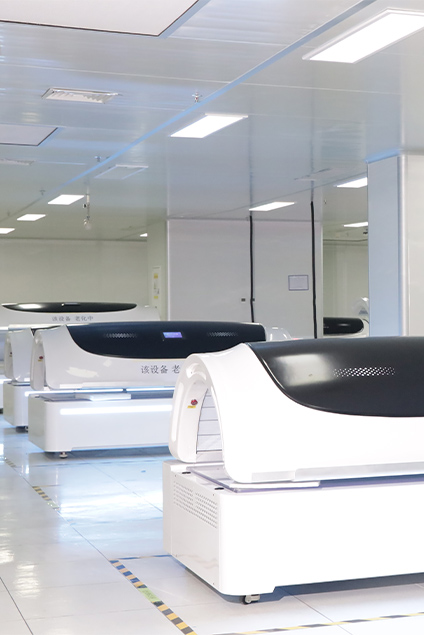
Picture a busy studio where a device blinks but the outcomes vary by session. That gap between promise and reality raises a clear question: are we delivering true healing or just selling hope? Let’s dig into what actually breaks down when systems lag — and what that means for clinics, technicians, and patients. Next, I’ll outline the hidden problems users face when technology is behind the curve.
Hidden User Pain Points Behind the Infrared Curtain
Start with the gear: an infrared bed may look like a simple lie-down and relax solution, but I’ve watched users struggle in ways that don’t show up on invoices. Directly: inconsistent irradiance and uneven LED arrays lead to patchy coverage. Patients feel it — some get warmth in one spot, nothing in another. That frustrates trust. Photobiomodulation depends on controlled wavelength and dose. When a system can’t hold those parameters, sessions become a gamble.
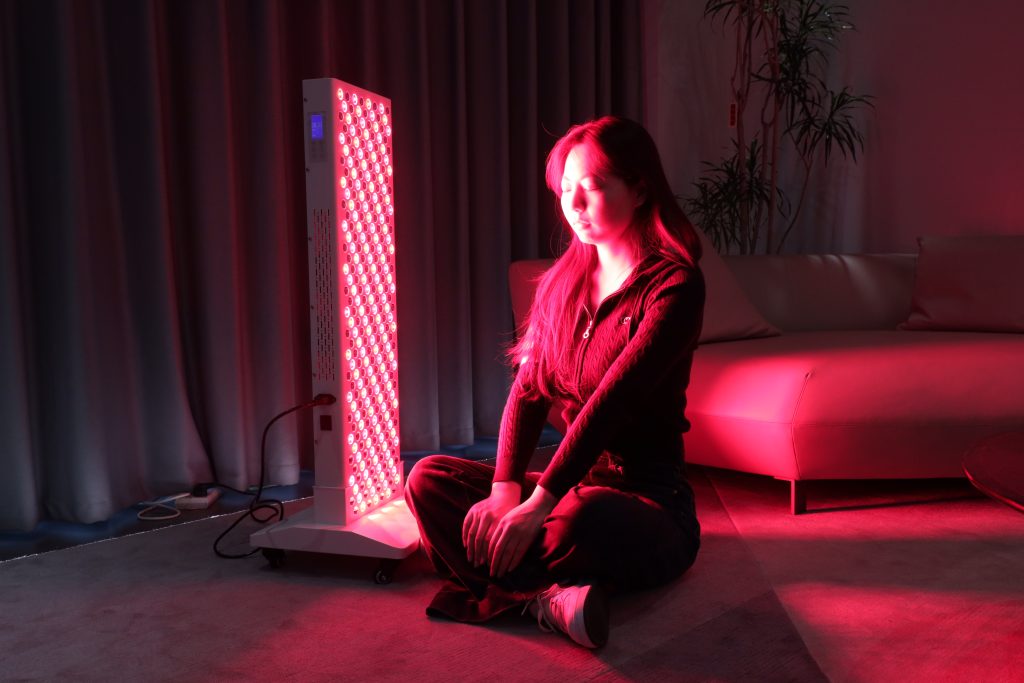
Then there’s the user experience. Controls that are cryptic, timers that reset, and thermal regulation that spikes heat — these are small failures that add up. Look, it’s simpler than you think: someone pays for relaxation and measurable benefit. They get confusion instead — annoying, and often unreported. I’ve seen repeat clients walk away not because the therapy failed entirely, but because the process felt sloppy. — funny how that works, right?
Why do people stop coming back?
Mostly because the net experience is poor. No follow-through. No clear metrics. No predictable dose. Patients talk with peers; word travels fast.
New Technology Principles to Close the Gap
What fixes this? I study the new design rules that actually matter. First: consistent irradiance across the treatment surface. Second: precise wavelength control so the therapeutic band is stable. Third: reliable power converters and better LED arrays to keep output steady. When designers focus on those engineering basics, results become repeatable. Here’s the point — repeatability beats flash every time.
An updated infrared bed that uses smart sensors and simple feedback loops can detect drift and auto-calibrate. That reduces technician error and patient worry. We want systems that log dose, not just run a timer. That transparency builds trust. I believe clinics that invest in these principles will see higher retention and better outcomes — measurable gains, not marketing fluff. — and yes, that requires a small mindset shift.
What’s Next?
Look ahead: modular designs, real-time irradiance readouts, and low-noise thermal systems will define the next wave. We’ll see more devices with user-friendly dashboards and clear treatment records. Clinics should compare specs, not slogans.
Practical Takeaways — How to Choose Better Systems
I’ll leave you with three metrics I use when I evaluate red light solutions. First: output stability — does the device maintain wavelength and irradiance throughout a session? Second: coverage uniformity — are LED arrays designed to avoid hot and cold spots? Third: data transparency — does the system log dose and offer simple reports for both clinician and client? These three checkpoints separate tools that perform from tools that only look good in a brochure.
If you care about delivering consistent care, prioritize engineering basics: wavelength control, photobiomodulation dosing, and reliable power converters. I’ve tested units where small upgrades changed outcomes in weeks. We can be practical and optimistic at once — let the tech do the heavy lifting. For clinics ready to move forward, consider partners who understand both user pain and device physics. For more on reliable systems and trustworthy gear, see Magique Power: Magique Power.
