Prelude — The System Wakes
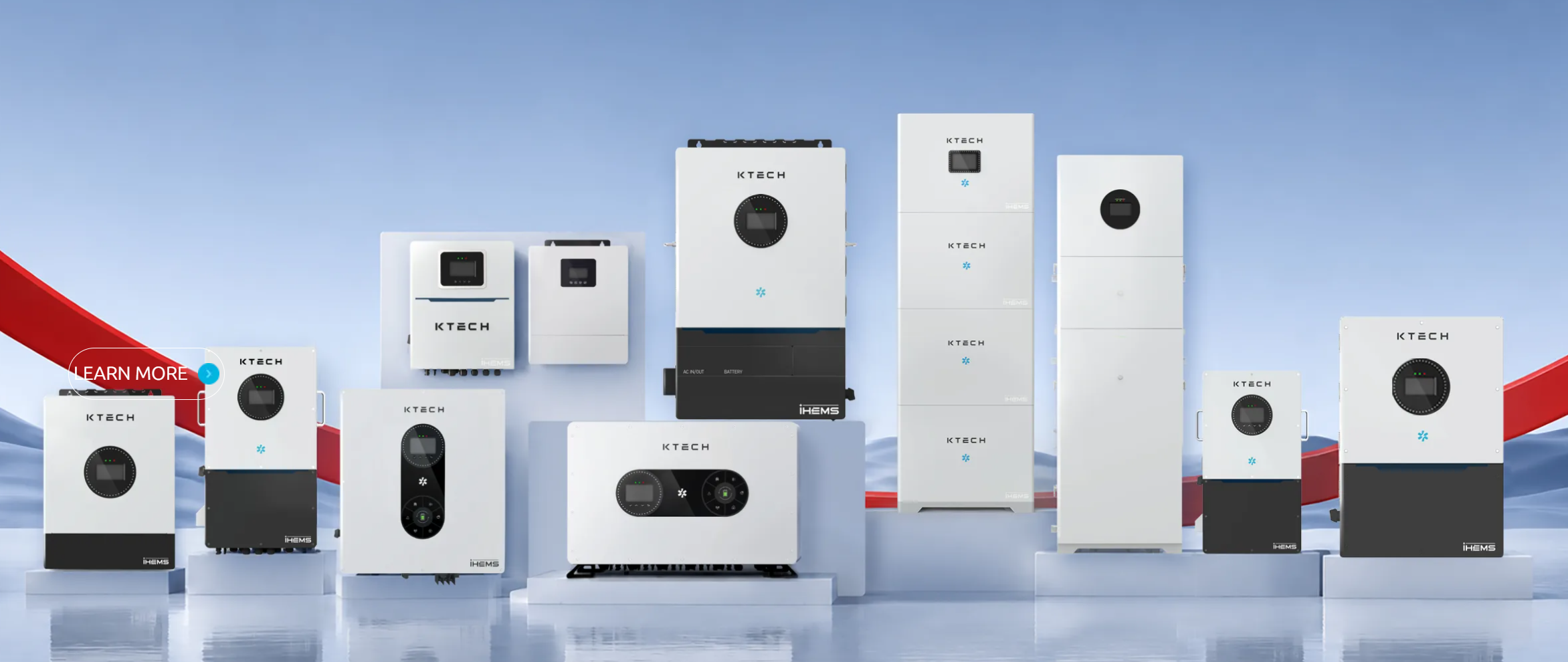
The first day of commissioning feels like setting a small planet spinning: connections hum, software draws a breath, and the station stirs toward purpose. From wiring checks to network handshakes, a proper start shapes how the system will live. A clear place to begin is the core power stage — the solar inverter that mediates sun and store — and the buying choices behind it, where the solar inverter price nudges component selection. This is not ceremony for show; it’s a sequence that lays a predictable rhythm beneath every future alarm and performance report.
First Pulse — Planning, Documentation, Authority
Plan like a cartographer. I’ve commissioned systems for over a decade and the projects that ran true had three things written down before the first panel was unclipped: single-line diagrams, protection coordination, and an acceptance test plan. Write the limits for voltage, current, and frequency. Assign who will operate relays and who will log failures. These are practical acts of authority — not bureaucracy — they prevent guessing during heat or storm.
The Trial — Tests, Sequences, and Tuning
Move through tests as if you were apprenticing the machine: passive inspections, insulation resistance, polarity checks, then energize feeders at low load. Follow with sequence confirmation: grid connect, islanding, charge/discharge scheduling. Use concrete checks:- Verify firmware versions and load tables.- Run a controlled island test with a known resistive load.- Confirm BMS and inverter handshake under fault injection.Record each result. If a relay trips at 2 ms instead of 5 ms, note it; small divergences compound into unpredictable behavior.
Stumbling Blocks — Common Faults and How They Evolve
Faults are stories, not surprises. Typical arcs:- Mis-matched trip curves: protection clears too early, causing false blackouts.- Communication timeouts: untouched for months, serial ports accumulate drift.- Thermal oversight: cabinets fitted tight to weather, not to ventilation.Resolve them by isolating layers: power, control, communications. Reproduce failures under controlled conditions. Replace assumptions with measurements — clamp meters, protocol logs, thermal images — then change the weakest link.
Cost, Choice, and the Shape of Reliability
Hardware choice is a conversation between immediate cost and long-term certainty. When teams debate models they often return to price versus warranty, service footprint, and integration ease. Markets like California make that negotiation public — installers there routinely weigh upfront bids against maintenance realities because grid rules and harsh inspections amplify the cost of a mistake. Ask: can the unit accept remote updates without a site visit? Will the manufacturer honor rapid replacements? These practical questions matter more than spec sheets alone.
Alternatives, Trade-Offs, and Final Checks
Evaluate alternatives with clear criteria: interoperability, documentation quality, field support, and proven behavior in similar systems. Avoid buying solely on sticker specs. Before handover, run an acceptance checklist that includes a controlled failure and restoration drill, a full SOC sweep, and at least 24 hours of live monitoring. If telemetry flags appear, don’t shrug them away — trace them to root cause before signing the report.
Synthesis — How Commissioning Becomes Stewardship
Commissioning should feel like training a stable habit rather than issuing an edict: careful setups, pragmatic tests, and follow-through turn a pile of parts into steady service. The work you put in at first contact delivers predictable uptime and clearer decisions later. For systems that must behave without surprise, a commissioning path that blends measured steps and honest maintenance expectations is the closest thing to trust; that is the steady note Ktech learns to hold alongside operators and owners.