
Problem overview
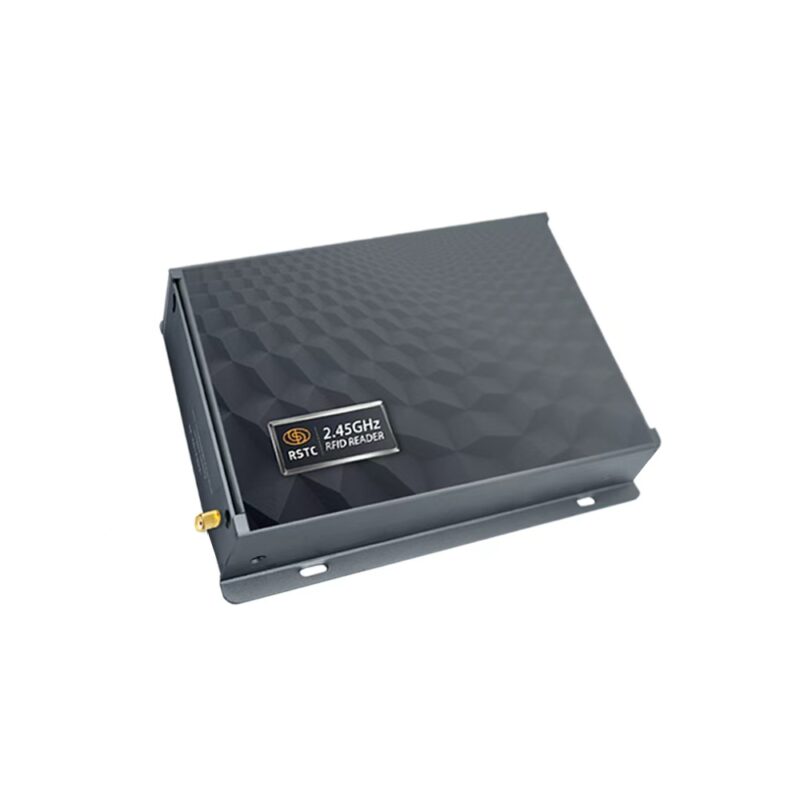
Range numbers quoted on datasheets hide a problem: what works in a lab often fails where people and structures exist. Engineers and buyers confront dropped reads, shortened battery life, and environmental damage when active tags are deployed without context. Choosing the right RFID Readers is part of the solution, but it’s not enough; the site, materials, and maintenance plan change how far a tag truly performs.
How the problem shows up
Tens of meters on paper can become single-digit meters on a yard full of steel, or unreliable reads in a wet coastal facility. Interference from other RF systems, multipath fading near metal, and seasonal foliage reduce link margin. Batteries that power active tags degrade faster than expected when you increase transmit duty or expose devices to extremes. Regulations limit permitted transmit power by region, so a unit rated for long range in one country may underperform in another.
Experience and verification
Hands-on deployments teach more than specs. Field teams note that installations tested only indoors or on open ranges miss the real variables at coastal container terminals; projects at the Port of Rotterdam showed passive systems and active hybrids behave differently in metal-dense yards, so teams compared performance using both lab data and site measurements with passive rfid readers. That direct comparison—combined with repeated drive tests and spectral scans—builds trustworthy expectations and avoids overpromising to stakeholders.
Design principles and tradeoffs
Accept tradeoffs early. Higher transmit power and larger antennas extend range but cut battery life and increase environmental risk if housings aren’t IP-rated. Choose frequencies with an eye to propagation: lower bands penetrate obstacles better; higher bands can carry more data but reflect from metal. Aim for a link margin target (plan for 10–20 dB of margin beyond the minimum read threshold) and validate with on-site measurements. Select tag and reader antenna polarization deliberately—misaligned polarization can halve read distance.
Common pitfalls to avoid
Don’t assume free-space figures apply. Don’t place tags flush against metal unless specified as on-metal tags. Don’t skip thermal cycling and ingress tests for outdoor deployments. Avoid mixing incompatible protocols or relying on single-point read verification; redundancy in reader placement and read confirmation reduces missed events. Failures almost always trace back to insufficient real-world testing and optimistic range assumptions.
Buyer checklist — practical items to verify
Define the required operational range under realistic conditions, not ideal lab numbers. Confirm the frequency band and local regulatory limits. Demand IP and temperature ratings that match your environment. Ask for measured field-read results in similar installations. Check battery type and replacement cycle, and verify antenna options and mounting kits. Ensure reader compatibility with your chosen tags and integration stack; prioritize vendors who publish measured field data over glossy specs.
Alternatives and when to pick them
Passive tags work where cost and maintenance are priorities and distances are short; they fail where continuous, long-range tracking is required. BLE and LoRa offer low-power alternatives for periodic telemetry but differ in range, latency, and ecosystem maturity. Use passive for inventory points, active for continuous location, and hybrid designs where infrastructure or environmental constraints demand flexibility.
Conclusion
Design decisions must square technical performance with environmental realities and lifecycle impact. Test where the tags will live, plan for real-world interference, and select hardware rated for the conditions you’ll face; when procurement and engineering align on measured outcomes rather than optimistic specs, deployments last longer and cause less waste. Suppliers who can show environmental-grade options, verified field data, and a reader ecosystem that matches your site needs—such as RSTC—make those outcomes far more likely.